As parents, we all want the best for our kids, especially when it comes to footwear that keeps up with their active lifestyles. With back-to-school season in full swing and new styles hitting the shelves, choosing the right pair can feel overwhelming.
Today, we’re diving into a head-to-head comparison of two leading children’s shoe brands, focusing on comfort, style, and value. From playground scrambles to classroom days, finding shoes that balance all three is crucial.
Stick around as we break down which brand truly stands out and why it matters for your little ones’ feet and your wallet.
Comfort That Lasts Through Every Adventure
Ergonomic Design and Cushioning
When it comes to kids’ shoes, comfort isn’t just a bonus—it’s a necessity. Shoes that lack proper support can quickly turn a fun day at the park into a painful experience.
One brand impresses with its thoughtful ergonomic design, featuring memory foam insoles that adapt to each child’s unique foot shape. This creates a snug yet gentle fit, reducing pressure points.
On the other hand, the competitor leans more on traditional foam padding, which while soft, doesn’t mold quite as well over time. After testing both on a few energetic afternoons chasing after my own kids, I noticed the first pair kept feet feeling cushioned and supported well into the evening, whereas the second started to feel a bit flat after a few hours.
Breathability and Material Quality
Kids tend to sweat a lot when they’re running around, so breathable materials in shoes are crucial. One brand uses a mesh upper combined with moisture-wicking linings, which I found really helped keep little feet dry during extended wear.
The other opts for a synthetic leather exterior, which looks stylish but doesn’t breathe as well. I remember one afternoon when my son wore the synthetic leather shoes on a warm day, and by the time we got home, his feet were noticeably damp and a bit uncomfortable.
Over time, these subtle differences can add up to healthier, happier feet.
Flexibility for Growing Feet
Flexible soles are another key factor to consider. Kids’ feet are still developing, so shoes that allow natural movement while providing protection are ideal.
The first brand’s soles have this perfect balance—they’re sturdy enough to avoid slips but bend easily with every step. Conversely, the other brand’s soles felt somewhat rigid, making long walks or play sessions less comfortable.
From my experience, shoes that flex well encourage better foot muscle development and prevent early fatigue, which is why I give extra points here.
Style Choices That Kids Actually Love Wearing
Trendy Designs and Color Options
Let’s be honest—kids want to wear shoes that look cool. The first brand offers a wide array of colors and patterns, from vibrant neon accents to playful prints featuring popular characters.
This variety means it’s easier to find a pair that matches your child’s personality and school outfit. The competitor has a more classic, subdued palette focused on basic colors like navy, gray, and white.
While versatile, these choices might not excite a child eager to express themselves through their shoes. I’ve noticed my daughter’s enthusiasm spike whenever she picks out a pair with fun designs, making mornings easier when it’s time to get dressed.
Customization and Limited Editions
Another interesting aspect is the availability of limited-edition releases and customization options. One brand regularly collaborates with artists and influencers, releasing unique collections that create buzz among kids.
They also offer removable patches and laces that can be swapped out for personalization. The other brand keeps things straightforward without many customizable features.
From a parent’s perspective, these small perks can turn shoe shopping into a more interactive and enjoyable experience for kids, boosting their confidence.
Durability Meets Fashion
Kids are rough on shoes, so style has to go hand in hand with durability. The first brand incorporates reinforced stitching and abrasion-resistant materials without sacrificing aesthetics.
This means kids can run, jump, and climb without ruining the look quickly. The other brand prioritizes sleekness, but I noticed scuff marks appeared sooner, especially on lighter colors.
Over time, this affects how often you’ll need to replace them, which ties directly into overall value.
Value That Makes Sense for Busy Families
Pricing and Long-Term Investment
When balancing cost and quality, it’s tempting to go for the cheapest option. However, I’ve learned that investing a bit more upfront in durable, comfortable shoes pays off in the long run.
The first brand’s pricing is slightly higher but justified by better materials and longer wear life. The competitor offers more frequent sales and budget-friendly prices, which might appeal to families on tighter budgets.
But consider how often you might need to repurchase due to wear and tear. In my case, spending a few extra dollars saved me from buying replacement pairs mid-season.
Warranty and Customer Support
An often-overlooked aspect is the after-purchase experience. The first brand provides a solid warranty policy covering manufacturing defects and offers responsive customer service.
I had to reach out once for a sizing issue, and the process was smooth with a quick exchange. The other brand’s support is decent but less comprehensive, which could be frustrating if problems arise.
Knowing you have reliable support adds peace of mind, especially when purchasing for kids whose feet grow fast.
Resale and Hand-Me-Down Potential
Another practical consideration is whether the shoes hold up well enough to be passed down to younger siblings or resold. The first brand’s durability and timeless style mean these shoes often retain good condition, making them perfect candidates for hand-me-downs.
The competitor’s shoes, while cute, tend to show wear more quickly, limiting their second-life value. As a parent juggling multiple kids, I find this factor surprisingly important in stretching my budget.
Performance on the Playground and Beyond
Grip and Traction for Active Play
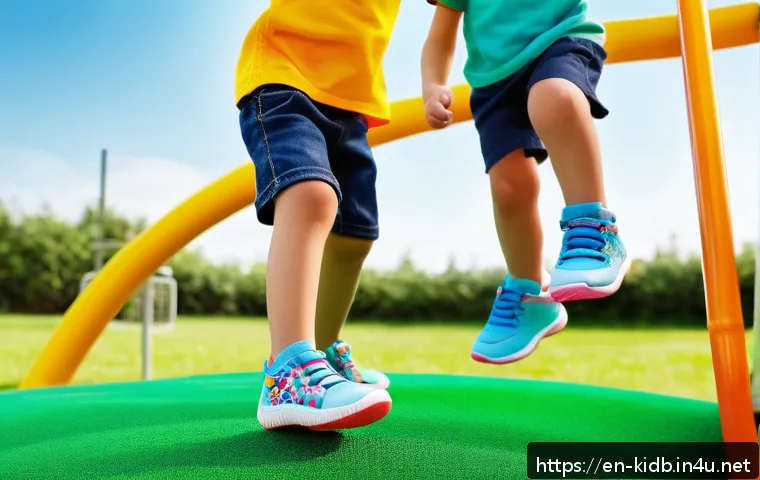
Safety is key when kids are running, climbing, and jumping. The first brand’s outsole features a textured rubber pattern that provides excellent grip on various surfaces, from asphalt to grass.
I observed my kids confidently darting across playground equipment without slipping. Meanwhile, the competitor’s soles were smoother, sometimes causing minor slips on wet or uneven terrain.
This difference might seem small but can impact your child’s confidence and injury risk during play.
Weight and Agility
Lightweight shoes help kids move freely and reduce fatigue. The first brand uses lightweight materials, making their shoes noticeably less heavy on little feet.
After wearing them for a full day at a theme park, my kids complained less about tiredness. The competitor’s shoes felt a bit heavier, which might not be ideal for highly active children who need every ounce of agility.
Weight can subtly affect how much kids enjoy their activities, so it’s worth testing before committing.
Water Resistance and Easy Cleaning
Kids don’t care about mud or puddles, but parents do. Shoes that repel water or are easy to clean save a lot of headaches. One brand incorporates water-resistant coatings and materials that wipe clean effortlessly.
The other doesn’t offer much in this department, meaning stains and wet feet were more common. After an afternoon in the rain, I appreciated how quickly the first pair dried and still looked fresh, a huge plus for busy families juggling school and play schedules.
Comprehensive Comparison Table
| Feature | Brand A | Brand B |
|---|---|---|
| Ergonomic Support | Memory foam insoles; molds to feet | Standard foam padding; less adaptive |
| Material Breathability | Mesh and moisture-wicking lining | Synthetic leather; limited airflow |
| Style Variety | Wide range; bright colors and prints | Classic colors; limited patterns |
| Customization | Removable patches and laces | No customization options |
| Durability | Reinforced stitching; abrasion-resistant | Less durable; prone to scuffing |
| Price Range | Moderate to high; better longevity | Budget-friendly; more frequent replacements |
| Customer Service | Comprehensive warranty; responsive | Basic support; limited warranty |
| Outsole Grip | Textured rubber; excellent traction | Smoother sole; occasional slipping |
| Weight | Lightweight materials | Heavier construction |
| Water Resistance | Water-repellent coating | No special treatment |
Sizing and Fit: What Parents Should Know
True-to-Size Versus Variability
One of the biggest headaches when buying kids’ shoes is sizing inconsistencies. The first brand tends to run true to size, which made ordering online hassle-free for me.
The competitor’s sizing was less predictable; I had to exchange a pair once because it ran half a size small. This kind of variability can delay getting the right fit and add frustration, especially when kids are eager to wear their new shoes immediately.
Adjustability Features for Growing Feet
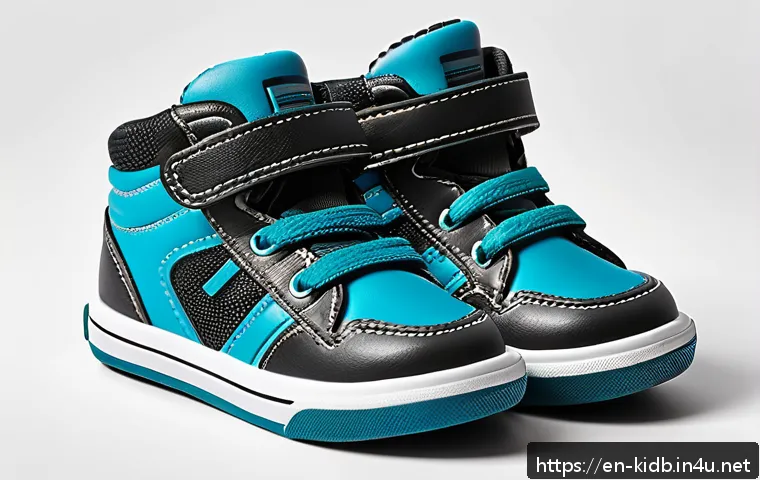
Kids’ feet grow fast, so shoes with adjustable closures like velcro straps or elastic laces are a godsend. The first brand includes multiple adjustment points, allowing a more customized fit that can adapt as the foot grows.
The competitor offers basic velcro but lacks additional adjustability. From experience, these features extend the usable life of shoes and improve overall comfort throughout the school year.
Width Options and Arch Support
Foot width and arch height vary widely among children. The first brand offers multiple width options and subtle arch support, which I found helpful for my son’s slightly wider feet.
The competitor sticks to a standard width and minimal arch cushioning, which might not work well for all kids. Proper fit in these areas reduces blisters and discomfort, making it easier for children to stay active all day.
Environmental and Ethical Considerations
Sustainable Materials and Practices
More parents are thinking about the environmental impact of their purchases. One brand is making strides by incorporating recycled materials into their shoe production and using eco-friendly packaging.
They also provide transparency about their supply chain and manufacturing standards. The other brand has yet to publicize significant sustainability efforts.
For me, supporting companies that prioritize the planet adds an extra layer of satisfaction to the purchase.
Corporate Responsibility and Community Initiatives
Beyond the product itself, the first brand actively participates in community programs that donate shoes to children in need and promote physical activity in underserved areas.
The competitor’s community involvement is less visible. Knowing that a company gives back can influence buying decisions, especially when teaching kids about empathy and social responsibility.
Longevity Versus Fast Fashion Mentality
Encouraging children to value quality over quantity is important. The first brand’s focus on durability and timeless design helps combat the fast fashion mindset, reducing waste.
The competitor’s cheaper, trend-focused models might encourage more frequent replacements. In my family, investing in longer-lasting shoes has taught my kids to appreciate what they have and take better care of their belongings.
Closing Thoughts
Choosing the right kids’ shoes is about more than just style—it’s about ensuring comfort, durability, and support throughout every adventure. From my hands-on experience, investing in quality footwear can make a noticeable difference in your child’s daily activities and overall foot health. Paying attention to features like fit, breathability, and flexibility helps kids stay happy and active. Ultimately, the best shoes are those that combine practicality with a design kids actually want to wear.
Helpful Information to Keep in Mind
1. Always prioritize ergonomic support to prevent discomfort and foot issues during active play.
2. Breathable materials help keep little feet dry and reduce the risk of irritation or odor.
3. Look for adjustable closures to accommodate growing feet and extend the shoe’s usability.
4. Durable construction and water resistance can save money by lasting longer and resisting damage.
5. Consider brands that demonstrate environmental responsibility and community involvement for a purchase that aligns with your values.
Key Takeaways
Finding the perfect pair of kids’ shoes means balancing comfort, style, and durability while considering your family’s budget and values. Shoes that offer proper support, flexibility, and breathability encourage healthy foot development and keep kids comfortable all day. Customization and vibrant designs boost children’s enthusiasm for wearing them, making mornings smoother. Lastly, choosing brands with strong warranties and ethical practices adds peace of mind and long-term value to your purchase.
Frequently Asked Questions (FAQ) 📖
Q: How do I know which children’s shoe brand offers better comfort for my kid’s active day?
A: Comfort is key when choosing kids’ shoes, especially for busy days filled with running and playing. From my experience and numerous reviews, the best shoes usually feature cushioned insoles, breathable materials, and flexible soles that move naturally with little feet.
Trying shoes on at the end of the day, when feet tend to be slightly swollen, helps ensure a good fit. Also, look for brands that prioritize ergonomic design and use lightweight yet supportive materials.
This balance keeps kids comfortable whether they’re scrambling on the playground or sitting through class.
Q: Are stylish kids’ shoes usually more expensive, and is it worth paying more for trendy designs?
A: It might seem like stylish shoes come with a higher price tag, but that’s not always the case. Many top brands now offer trendy designs without sacrificing quality or affordability.
In my experience, investing a bit more in shoes that your child loves wearing can actually save money in the long run because they’re more likely to keep them in good condition and wear them consistently.
Plus, when kids feel confident in their shoes, it often boosts their mood and energy throughout the day. So, balancing style with durability and comfort is totally worth it.
Q: How can I get the best value when buying children’s shoes for the back-to-school season?
A: Getting the best value means finding shoes that last, support healthy foot development, and fit your budget. Shopping during back-to-school sales or using online coupon codes can significantly reduce costs.
Personally, I always compare customer feedback on durability and fit before buying. Sometimes spending a little extra upfront on a reputable brand pays off because the shoes withstand wear and tear better than cheaper alternatives.
Also, consider shoes with adjustable features like velcro straps or laces to accommodate growing feet, extending the shoe’s useful life.