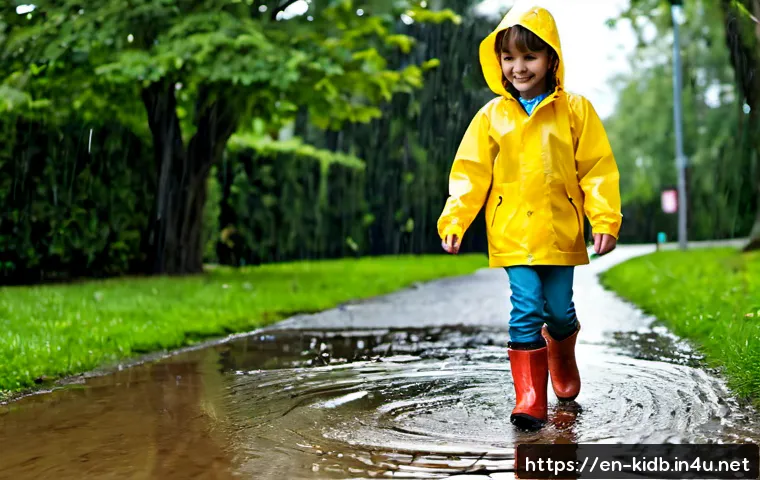
The best kids’ rain jacket brand is the one that matches your child’s usual rain level, activity, and need for warm layers. For regular school use, prioritize a waterproof design with practical hood coverage, adjustable cuffs, and enough room for everyday clothes.
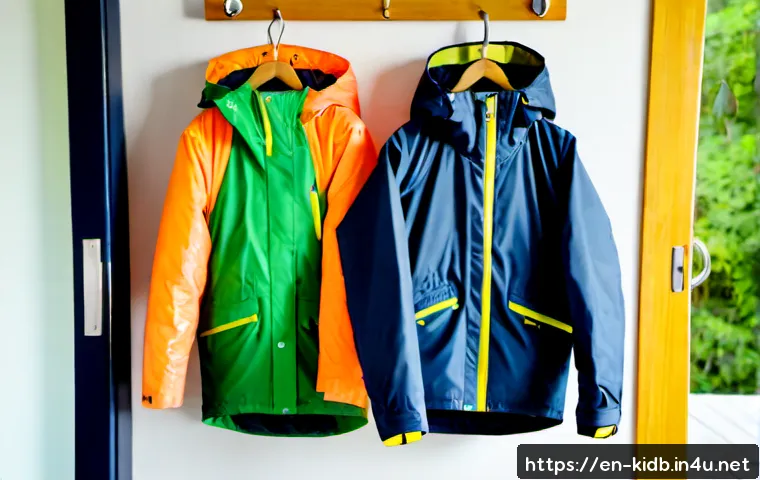
Taped seams and breathable fabric become more important for long walks, hiking, cycling, and energetic outdoor play. A lower-cost shell can work for occasional light rain, while frequent wet-weather use may justify stronger construction, easier care, or repair and warranty support.
Compare the current product page, size chart, retailer pricing, and return terms before making a final choice.
At a Glance
- For light rain, a water-resistant shell with a DWR finish may be enough for short trips, but it is not the same as a waterproof jacket.
- For daily school use, look for useful coverage: a secure hood, adjustable cuffs, a storm flap, and sizing that fits over school clothes.
- For hiking and active outdoor play, prioritize waterproof construction, sealed seams, breathability, and room for a fleece or warm mid-layer.
| Comparison point | What to check | Why it matters |
|---|---|---|
| Water protection | Water-resistant or waterproof fabric, coatings or membranes, and seam sealing | Waterproof performance depends on the complete garment design, not just the outer fabric. |
| Seams | Taped or sealed seams, especially in exposed areas | Stitched areas can be weak points where water may enter. |
| Comfort | Breathable fabric, lining, ventilation details, and fit | Active children can feel uncomfortable in a shell that traps heat and moisture. |
| Warmth | Unlined shell, lined jacket, or space for layering | A rain shell provides weather protection, but it does not automatically provide insulation. |
| Fit and coverage | Hood adjustment, cuff closures, hem length, and room for layers | Small fit details often affect how well a jacket performs in real rain. |
| Retail value | Current retailer pricing, bundle options, care guidance, warranty, and return policies | These details can change which rainwear option offers the best value for a family. |
What Makes a Children’s Rain Jacket Worth Buying?
Quick answer: match the jacket to rain intensity, activity, and layering needs
A good children’s rain jacket is not simply the one with the brightest color or the most familiar brand name. It should suit the conditions your child actually faces. A child walking from the car to school in occasional drizzle may need something different from a child who spends long periods outdoors in wet weather.
Start with three questions: How heavy is the rain likely to be? How active will your child be? Will the jacket need to fit over a fleece, sweater, or other warm layer? These answers help narrow the choice between a lightweight rain shell, everyday waterproof rainwear, and a more outdoor-focused jacket.
Use case should come before brand comparison. Once you know the intended routine, it is easier to compare product specifications, retailer pricing, and return policies without paying for features your child may not use.
The features that matter more than color or brand name
Look beyond the logo and check how the jacket is built. A well-designed hood, cuff closures, storm flap, and enough hem coverage can improve protection during normal movement. These details matter when children are carrying a backpack, bending down at the playground, or walking in wind-driven rain.
Hood fit deserves special attention. A hood should provide coverage without making it difficult for a child to see around them. Adjustable features can help, but the practical test is whether the hood stays useful when the child turns their head or looks ahead.
Also check whether the cuffs can be adjusted. Loose sleeves can allow rain to reach the inner layers, while overly tight cuffs can be uncomfortable. The best design is usually one that is simple for a child or caregiver to manage during a busy school morning.
Water-resistant shell vs fully waterproof rain jacket
Water-resistant and waterproof do not mean the same thing. A water-resistant jacket can be useful for brief, light rain. A waterproof jacket is designed for stronger protection, but its performance depends on fabric construction, coatings or membranes, seam treatment, and the overall garment design.
A durable water-repellent, or DWR, finish helps water bead on the outside of the fabric. That can be useful for comfort and surface performance. However, DWR alone does not make a jacket waterproof. When comparing kids’ rain jacket brands, check whether the product description explains the construction rather than relying on a single marketing phrase.
For sustained rain, it is sensible to give extra weight to waterproof construction and taped or sealed seams. A simple lightweight shell may still be useful, but it should not be assumed to offer the same protection in prolonged wet conditions.
Compare Brands by Protection, Comfort, and Price
Waterproof construction: seams, storm flaps, cuffs, and hood coverage
Seam sealing is one of the clearest details to compare when reviewing waterproof jackets. Stitching creates small punctures in fabric, so taped or sealed seams can help reduce the chance of water entering through those areas. This is especially relevant for children who are outside during persistent rain.
A storm flap can add another layer of protection around a front closure. Cuffs and hem coverage matter as well. A jacket that looks waterproof on a hanger may offer less real-world protection if the sleeves ride up, the hood shifts easily, or the hem leaves a gap above the child’s trousers.
For a school commute, these features may be more useful than highly technical construction. For family hikes, camping, or longer outdoor trips, the full combination of waterproof fabric, seam sealing, and coverage details may be worth comparing more closely.
Breathability and comfort for active children
Breathability matters most when a child is moving. Walking to school, cycling, hiking, climbing, or running around outside can create heat and moisture inside a jacket. A rain jacket that blocks rain but feels clammy may be less comfortable for active use.
This does not mean every child needs an outdoor-focused technical shell. For short school drop-offs and occasional playground weather, comfort may depend more on fit, lining, and easy movement. But if the jacket will be used for regular hiking or energetic outdoor play, breathable construction becomes a more meaningful comparison point.
Read the current manufacturer description carefully. Exact waterproof ratings and material specifications can vary by model, season, and region, so they should be checked on the specific product page rather than assumed from a brand’s general reputation.
Value tiers: budget shells, everyday rainwear, and outdoor-focused options
A budget shell can be a sensible choice for occasional use in mild conditions. It may work well when a child needs a compact layer for a short walk, a school bag, or a trip where rain is possible but not expected to be constant.
Everyday rainwear is often the practical middle ground for school runs and frequent playground use. Look for a dependable hood, easy closures, useful coverage, and enough room for layers. If the jacket will be worn many times each week, durable construction and straightforward care instructions may add more value than decorative details.
Outdoor-focused options may be worth considering for regular hiking, camping, travel, and extended time in wet conditions. In these situations, taped seams, breathable fabric, and repair or warranty support can be more relevant. Whether the higher price is worthwhile depends on how often those features will be used.
Comparison table: what to check before comparing retailer prices
| Before comparing prices | Questions to ask |
|---|---|
| Protection level | Is the jacket described as water-resistant or waterproof? Are the seams taped or sealed? |
| Daily practicality | Will the hood, cuffs, zip, and pockets be easy for your child to use? |
| Layering space | Can it fit over the clothes and warm layers your child normally wears? |
| Care requirements | What does the care label say about washing, drying, and maintaining the water-repellent finish? |
| Retail terms | What are the current price, delivery costs, size exchange options, warranty details, and return terms? |
Avoid Common Fit, Care, and Durability Mistakes
Choosing enough room for school clothes and warm layers
A common mistake is choosing a rain jacket that fits neatly over a thin top but feels restrictive over a school uniform, sweatshirt, or fleece. Children’s outerwear sizing should allow room for the layers the jacket is meant to cover, especially in cool or variable weather.
Do not rely only on age labels. Review the brand’s current size chart and compare it with your child’s measurements where possible. If the jacket is intended for layering, try to assess the fit with the likely mid-layer in mind.
Why hood visibility and adjustable cuffs matter
A hood should protect the head and face area without interfering with visibility. This is particularly important near roads, school entrances, and busy walking routes. Check how the hood sits when zipped fully and whether it appears likely to stay in place during ordinary movement.
Adjustable cuffs can help reduce gaps at the wrists. They can also make a jacket more flexible across changing weather, since a child may wear different layers underneath on different days. These features may sound minor, but they can affect how usable a jacket feels during wet weather.

Washing and drying considerations for water-repellent finishes
Care instructions can influence how long a jacket remains effective. Washing and drying methods may affect the water-repellent finish, coatings, membranes, and seam tape. Follow the care label and the manufacturer’s current guidance instead of using a one-size-fits-all method.
If water stops beading on the outer fabric, that does not automatically mean the jacket is no longer waterproof. The DWR finish and the waterproof layer are not the same thing. Still, proper care can help preserve the jacket’s overall performance and lifespan.
When repairs or warranty support may add value
Repair support or warranty information can be worth reviewing for a jacket expected to see frequent use. This may be more relevant for outdoor-focused rainwear than for a low-cost backup shell used only occasionally.
Terms vary by retailer, region, and product. Check the current policy before buying, including what is covered, how a claim is handled, and whether a return is possible if the fit does not work with intended layers.
Choose the Right Option for Each Family Routine
Best features for school drop-offs and playground weather
For school runs, practical features usually come first. Choose a jacket that is easy to put on, has a hood that stays useful, and fits over everyday clothes. A waterproof design with helpful cuff and hem coverage can be a better choice than a fashion-focused jacket if your child is regularly outside in rain.
For playground use, movement matters. Make sure the child can reach, bend, and run comfortably. If outdoor play is active, breathability becomes more useful than it would be for a quick walk from the car to the classroom.
What to prioritize for hiking, camping, and travel
For hiking, camping, and travel, focus on dependable protection across changing conditions. Taped seams, breathable fabric, secure hood coverage, and room for layering are strong comparison points. A jacket may be carried for hours and worn over warmer layers, so packability alone should not be the only consideration.
Travel also makes care and drying practical. Review the product information for maintenance guidance, especially if the jacket may be used repeatedly during a trip. If you are comparing several brands, use the same checklist for every model rather than judging only by color, photos, or a headline claim.
When a lined rain jacket may be more practical than a lightweight shell
A lined rain jacket may be more practical when weather is frequently cool and damp, or when your child will not always have a separate mid-layer available. A lightweight shell can be more flexible when temperatures change because it can be worn over different layers.
The important point is that rain protection and warmth are separate needs. A waterproof shell may keep rain out without adding much warmth. A lined option may feel more convenient, but it may not replace the need to consider fit and layering for colder days.
Selection Criteria and Comparison Summary
Before choosing a kids’ rain jacket brand, check these final points:
- Weather: Is the jacket for brief showers or sustained rain?
- Use frequency: Will it be used occasionally, for daily school routines, or for regular outdoor activities?
- Construction: Are waterproof materials, taped seams, hood coverage, cuffs, and storm flaps appropriate for the intended use?
- Layers: Does the size allow space for a fleece or warm mid-layer when needed?
- Care and support: Have you reviewed care instructions, return terms, and any available warranty or repair information?
A lower-cost jacket can be enough for light, occasional rain if the fit and coverage are suitable. Premium materials or construction may be easier to justify when a child is outside often, faces prolonged rain, or needs breathable performance for active use. Compare current prices, size charts, retailer return terms, and product specifications before choosing.
Closing Thoughts
There is no single best children’s rain jacket brand for every family. The best option depends on local weather, how often the jacket will be worn, your child’s activity level, and whether warm layers need to fit underneath. A clear feature comparison can make the choice easier than shopping by brand name alone.
Focus on the parts that affect daily use: waterproof construction, seam sealing, hood fit, cuffs, comfort, and care. A jacket that works well for your child’s real routine is usually the better purchase.
Useful Things to Know
1. A DWR finish helps water bead on the outside, but it does not by itself make a jacket waterproof.
2. Taped or sealed seams can help protect stitched areas, which are common weak points in rain jackets.
3. Breathability is most important during active use, including hiking, cycling, walking, and energetic play.
4. Sizing should account for the clothes and layers the child will actually wear underneath.
Important Notes
Current prices, availability, delivery costs, discounts, waterproof ratings, material details, warranty coverage, and return policies can vary by product, retailer, and region. Check the manufacturer’s current product page and the retailer’s terms before purchasing. A size chart can guide the decision, but it cannot guarantee fit without considering your child’s measurements and intended layers.
Frequently Asked Questions
Q1. What should parents look for when comparing kids’ waterproof jacket brands?
A1. Compare the full design, not just the brand name. Check whether the jacket is described as waterproof or water-resistant, whether it has taped or sealed seams, how the hood and cuffs fit, whether there is room for layers, and what the care and return policies say.
Q2. Is a more expensive children’s rain jacket worth it for school and outdoor play?
A2. It can be worthwhile when the jacket will be used frequently, in sustained rain, or for active outdoor use where breathability and stronger construction matter. For occasional light rain, a simpler lower-cost shell may be sufficient if it fits well and provides appropriate coverage.
Q3. Are taped seams necessary for a child’s jacket in heavy rain?
A3. Taped seams can be especially helpful in heavy or prolonged rain because stitched areas are common places for water to enter. They may be less important for a jacket used only in brief, light showers, but they are a valuable feature to compare for regular wet-weather use.