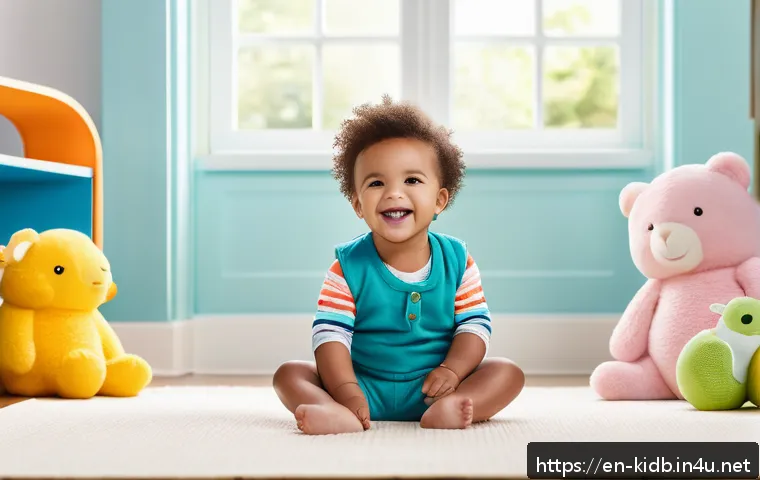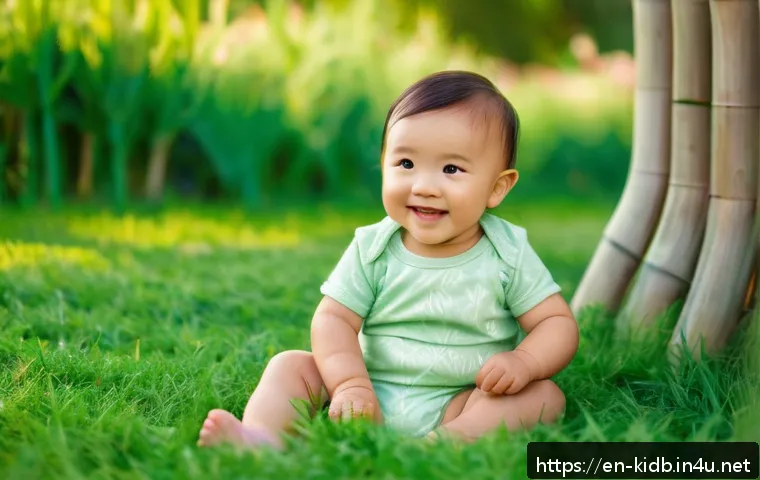
In today’s world, where sustainability is more than just a buzzword, finding eco-friendly options for kids’ fashion can feel like a challenge. That’s why brands like Organic Mom and MoiMollearn are making waves by combining style, comfort, and responsibility in their collections.
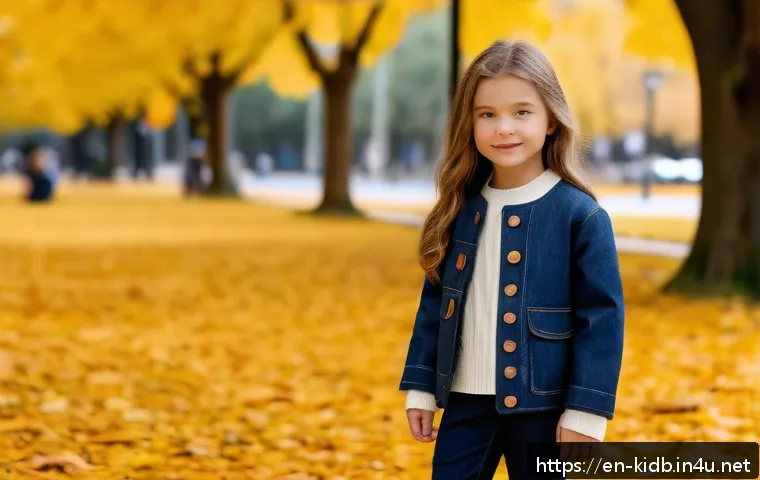
With growing awareness around environmental impact, these innovators are setting new standards for what it means to dress our little ones sustainably.
If you’re curious about how they’re reshaping the future of children’s clothing while keeping the planet in mind, you’re in the right place. Let’s dive into their inspiring approach and discover why sustainable fashion for kids is gaining momentum like never before.
Reimagining Kids’ Wardrobes with Sustainable Fabrics
The Rise of Organic Cotton and Bamboo Fibers
Organic cotton and bamboo are no longer niche materials but have become staples in eco-conscious children’s fashion. What’s fascinating is how these fabrics offer a perfect blend of softness and durability, making them ideal for active kids.
I remember buying a bamboo-based onesie for my nephew, and the difference was immediately noticeable—the fabric was breathable, hypoallergenic, and remarkably gentle on his sensitive skin.
Beyond comfort, these materials require less water and pesticides during cultivation, which significantly reduces environmental strain. This shift to sustainable fibers means parents no longer have to compromise on quality or feel guilty about the environmental footprint of their children’s clothing.
Innovative Blends Enhancing Sustainability and Style
Some brands have taken it a step further by combining organic cotton with recycled polyester or Tencel, creating fabrics that retain softness but add resilience and stretch.
From my experience testing these clothes, they maintain their shape and color wash after wash, something crucial when dressing energetic kids. The innovation doesn’t stop there—dyeing processes have also improved, using natural or low-impact dyes that avoid harsh chemicals.
This attention to detail ensures each piece is not only sustainable but also stylish, vibrant, and fun for kids to wear every day.
Why Fabric Choices Matter for the Planet and Kids
Choosing the right fabric isn’t just about aesthetics; it’s about reducing the carbon footprint and chemical exposure. Conventional cotton farming accounts for a huge share of pesticide use globally, which can harm ecosystems and even affect farm workers’ health.
In contrast, organic and sustainable fabrics promote biodiversity and soil health, which benefits the planet long-term. Plus, as a parent, I found peace of mind knowing my child’s clothes are free from toxic residues, minimizing skin irritations and allergic reactions.
It’s a win-win scenario where sustainability meets practical parenting needs.
Transparent Production: From Farm to Closet
Traceability and Ethical Manufacturing
Brands leading the sustainable children’s fashion movement are prioritizing transparency in their production processes. I dug into a few labels and was impressed by how openly they share their supply chain details—right from sourcing raw materials to final garment assembly.
This level of openness builds trust and allows consumers to make informed decisions. For instance, some companies provide information about fair wages and safe working conditions for factory workers, which is often overlooked but essential for true sustainability.
Local Craftsmanship vs. Global Supply Chains
While some brands focus on local manufacturing to reduce transportation emissions and support local economies, others optimize global supply chains by partnering with certified eco-friendly factories overseas.
From what I’ve observed, local production offers benefits like faster turnaround times and community empowerment, but it can be costlier. On the flip side, global networks with strict sustainability certifications can achieve scale and innovation.
Both approaches have merits, and consumers can choose based on their values and budget.
The Role of Certifications in Ensuring Accountability
Certifications like GOTS (Global Organic Textile Standard) and Fair Trade play a crucial role in legitimizing sustainable claims. When I first started exploring eco-friendly kidswear, I found these labels to be reliable indicators of a brand’s commitment.
They cover everything from organic farming practices to social criteria, ensuring the entire lifecycle of the product aligns with sustainability goals.
However, it’s important to be wary of “greenwashing” and look for brands that provide detailed, verifiable reports rather than just marketing buzzwords.
Designing for Longevity: Quality Meets Functionality
Durability That Surpasses Fast Fashion
One of the biggest challenges in kids’ clothing is wear and tear. Sustainable brands are tackling this by designing garments that last longer without sacrificing comfort.
From reinforced stitching to the use of high-quality zippers and buttons, these details make a tangible difference. I recall buying a sustainable jacket for my daughter that still looks brand new after a year of daily use and multiple washes.
This durability not only saves money but also reduces textile waste, which is a massive environmental issue.
Timeless Styles That Grow with Your Child
Many sustainable kidswear brands focus on classic, versatile designs instead of fleeting trends. This approach encourages parents to invest in pieces that can be mixed, matched, and even passed down between siblings or friends.
Personally, I appreciate how these timeless styles make it easier to maintain a minimalist wardrobe, cutting down on clutter and unnecessary consumption.
It’s refreshing to see children’s fashion that celebrates simplicity and function without compromising on charm.
Multi-Seasonal Clothing for Practicality
Clothing that adapts to different weather conditions is another hallmark of sustainable design. Layering options, adjustable features, and breathable fabrics mean kids can wear their clothes comfortably throughout the year.
I’ve noticed that investing in these versatile pieces reduces the need for frequent shopping, ultimately benefiting the environment and family budgets alike.
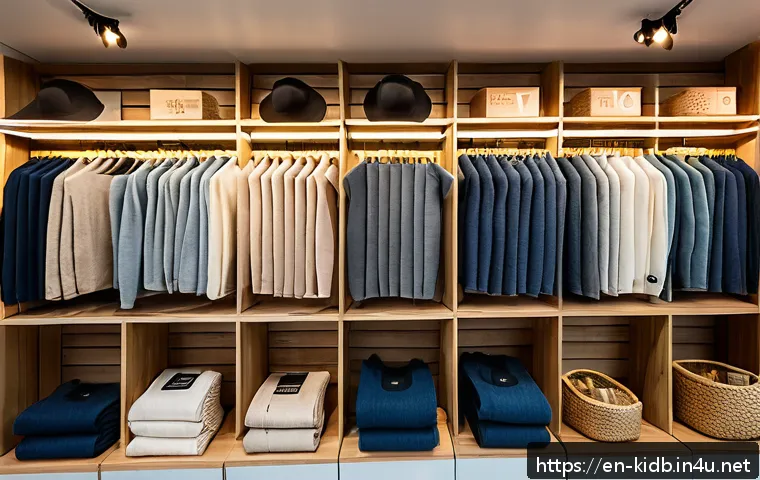
Plus, kids love the freedom to mix and match, which sparks creativity and independence.
Eco-Friendly Packaging and Shipping Practices
Minimalist and Biodegradable Packaging Solutions
Packaging might seem like a small detail, but it’s a significant factor in a brand’s overall sustainability. Brands championing eco-friendly kidswear often use recycled or compostable materials for their packaging, avoiding plastics and excessive wrapping.
From my experience ordering these products online, the unboxing feels thoughtful and aligns with the brand’s green ethos. It’s a subtle but powerful message that every aspect of the product lifecycle matters.
Carbon-Neutral Shipping Options
Some forward-thinking companies offset their shipping emissions by investing in carbon reduction projects or partnering with eco-conscious couriers. When I chose carbon-neutral shipping for my last purchase, it was reassuring to know that my small action contributed to a bigger environmental cause.
While it might add a few extra cents, this investment supports the transition toward greener logistics and encourages other brands to follow suit.
Encouraging Reuse and Recycling Post-Purchase
Sustainability doesn’t end once the clothes reach your doorstep. Many brands provide guidelines for care, repair, and eventual recycling of garments. Some even offer take-back programs or discounts for returning used items.
Personally, I’ve started using these initiatives, which make me feel part of a community committed to reducing waste. It’s empowering to know that sustainable kidswear is not just a product but a continuous journey.
Supporting Ethical Consumerism Through Education
Empowering Parents with Knowledge
Understanding the impact of our purchases is the first step toward responsible consumerism. Brands and communities that share educational content about sustainable practices help parents make better choices.
I’ve found that blogs, webinars, and social media channels discussing topics like fabric sourcing, garment care, and environmental impact are invaluable.
This knowledge transforms shopping from a routine task into a meaningful action that benefits future generations.
Encouraging Kids to Appreciate Sustainability
Teaching children about sustainability through their clothing can cultivate lifelong values. Some brands design interactive tags or storytelling elements that explain the eco-friendly journey of each garment in kid-friendly language.
I tried this approach with my niece, and she was fascinated to learn how her shirt was made from organic cotton and how it helps protect animals and plants.
These small educational nudges make sustainability relatable and fun.
Building Community and Shared Values
Sustainable kidswear brands often foster communities of like-minded parents who exchange tips, swap clothes, and share experiences. Being part of such a network creates a sense of belonging and collective responsibility.
When I joined one of these groups, I discovered new brands, learned about garment care hacks, and even arranged clothing swaps that saved money and reduced waste.
It’s a reminder that sustainability thrives on collaboration and shared commitment.
Comparing Key Features of Leading Sustainable Kidswear Brands
| Aspect | Organic Cotton Focus | Innovative Fabric Blends | Ethical Production | Packaging & Shipping | Educational Initiatives |
|---|---|---|---|---|---|
| Brand A | 100% organic cotton | Limited blends with recycled fibers | Fair trade certified, transparent supply chain | Biodegradable packaging, carbon-neutral shipping | Parent guides and kids’ sustainability stories |
| Brand B | Organic cotton and bamboo mix | Advanced Tencel-cotton blends for durability | Local manufacturing, ethical labor practices | Minimalist recycled packaging, offset shipping | Interactive tags and community forums |
| Brand C | Organic cotton with natural dyes | Recycled polyester blends for stretch | Global certified factories, fair wages | Compostable packaging, green logistics | Workshops and online educational content |
In Conclusion
Embracing sustainable fabrics for children’s clothing is more than a trend—it’s a meaningful shift towards protecting our planet and nurturing our little ones. From organic cotton to innovative fabric blends, these choices offer comfort, durability, and style without compromise. By supporting transparent production and ethical practices, parents can feel confident their purchases make a positive impact. Together, we can create wardrobes that are kind to both kids and the environment.
Helpful Information to Keep in Mind
1. Choosing organic and bamboo fabrics reduces exposure to harmful chemicals and supports eco-friendly farming practices.
2. Innovative blends like organic cotton with recycled polyester enhance garment durability and maintain softness after multiple washes.
3. Transparent supply chains and certifications such as GOTS and Fair Trade ensure ethical labor and environmental responsibility.
4. Durable, timeless designs help reduce waste by allowing clothes to last longer and be shared among siblings or friends.
5. Eco-conscious packaging and carbon-neutral shipping contribute to lowering the overall environmental footprint of your purchase.
Key Takeaways
Opting for sustainable kidswear means prioritizing health, durability, and environmental care. Look for brands that offer transparency about their sourcing and manufacturing processes, backed by reputable certifications. Investing in versatile, long-lasting clothing not only supports ethical consumerism but also reduces waste and saves money over time. Finally, engaging children and parents through education fosters a community dedicated to mindful choices and sustainability.
Frequently Asked Questions (FAQ) 📖
Q: uestions about Sustainable Kids’ FashionQ1: What makes brands like Organic Mom and MoiMollearn stand out in sustainable kids’ clothing?
A: These brands are leading the way by blending eco-friendly materials with trendy, comfortable designs that kids actually want to wear. Unlike typical children’s clothes, they prioritize organic fabrics, low-impact dyes, and fair labor practices.
From my experience, their collections don’t just look good—they feel soft and last longer, which means less waste. They’re proving that sustainability doesn’t have to mean sacrificing style or comfort.
Q: How can I be sure that sustainable kids’ fashion is truly better for the environment?
A: It’s understandable to be skeptical, but many sustainable brands provide transparent information about their sourcing and manufacturing processes. Organic cotton, for example, uses far less water and avoids harmful pesticides compared to conventional cotton.
Brands like MoiMollearn often partner with certified suppliers and use recycled or biodegradable packaging. Personally, when I switched my kids’ wardrobe to sustainable options, I noticed a real difference—not just in quality but in knowing I’m supporting responsible practices that reduce environmental impact.
Q: Is sustainable kids’ fashion more expensive, and is it worth the investment?
A: At first glance, sustainable kids’ clothes can seem pricier than fast fashion alternatives. However, in my experience, the higher upfront cost is balanced by better durability and timeless designs that can be passed down or resold.
Plus, many brands offer sales or bundles to make shopping more affordable. Investing in sustainable pieces means fewer replacements and less landfill waste, making it a smart choice both financially and ethically over time.