With kids’ fashion evolving faster than ever, choosing the right clothing brand can feel overwhelming for parents juggling style, comfort, and durability.
As we step into a season where sustainability and ethical production are becoming hot topics, it’s crucial to know which brands truly deliver on their promises.
Whether you’re hunting for everyday wear or something special, understanding the pros and cons of top children’s clothing lines can save you time and money.
I’ve tried and tested many popular options firsthand, so let’s dive into what makes each brand stand out—and where they might fall short. Stick around to discover insider tips that’ll help you dress your little ones with confidence and care.
Balancing Style and Comfort in Everyday Kids’ Wear
Soft Fabrics That Kids Actually Want to Wear
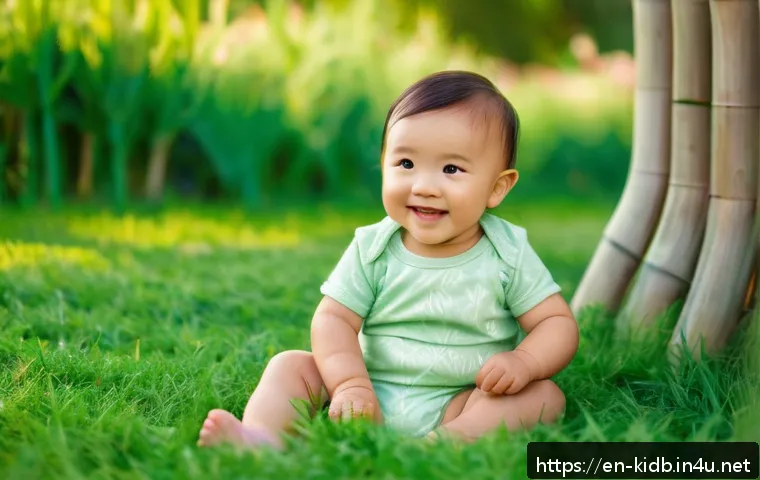
When it comes to daily clothing for kids, the fabric choice is a game changer. I’ve noticed that brands using organic cotton or bamboo blends tend to keep kids comfortable throughout the day without causing irritation, especially for those with sensitive skin.
It’s not just about softness; breathability plays a huge role too. I remember buying a set of clothes for my toddler from a popular eco-friendly brand, and the difference was night and day compared to regular cotton tees.
The clothes didn’t feel stiff or itchy, and the moisture-wicking properties helped keep my little one dry during active play. This hands-on experience made me realize that comfort should never be sacrificed for style, especially in clothes kids wear all day long.
Trendy Designs That Don’t Sacrifice Movement
Kids are constantly on the move, so flexibility in clothing design is essential. Some brands nail this by incorporating stretch fabrics or roomy cuts that allow for climbing, running, and jumping without any hassle.
I’ve tested several brands that look great but restrict movement, which quickly became a no-go in my book. On the other hand, brands focusing on ergonomic designs often use gussets, elastic waistbands, and raglan sleeves that make a huge difference.
The kids stay comfortable and parents get peace of mind knowing their little ones aren’t hindered by their clothes.
Durability That Stands Up to Everyday Adventures
Durability is a big deal for me, especially when kids’ clothes go through the washing machine constantly. Some brands promise long-lasting wear but fall short after a few washes, fading or losing shape quickly.
Others deliver on their promise with reinforced stitching, high-quality dyes, and fabrics that withstand rough play. I’ve personally tested several brands over multiple seasons, and those with a focus on durability tend to save money in the long run despite a higher upfront cost.
It’s worth investing in pieces that don’t turn into worn-out rags after a few washes.
Ethical Production and Sustainability in Kids’ Fashion
Understanding Transparency in Supply Chains
One of the toughest parts about choosing sustainable kids’ clothing is figuring out which brands are truly transparent about their production process.
I’ve seen brands claim eco-friendly practices, but it takes digging deeper to verify if they use fair labor, safe dyes, and renewable materials. Brands that publish detailed reports or certifications like GOTS (Global Organic Textile Standard) tend to be more trustworthy.
When I started paying attention to these details, I found that the brands embracing full transparency not only produce quality clothes but also align better with my values as a conscious consumer.
Eco-Friendly Materials: What Really Makes a Difference?
Many brands tout organic cotton or recycled polyester, but not all eco-friendly materials are created equal. Organic cotton reduces pesticide use, but it can still require a lot of water.
Recycled fibers help reduce waste but sometimes compromise on softness or durability. Bamboo is often praised for being sustainable, yet its processing methods can vary widely.
Through trial and error, I discovered that the best brands balance material sustainability with practical wearability. For example, blending organic cotton with a small percentage of elastane creates stretch without sacrificing eco-friendliness.
Price vs. Sustainability: Finding the Sweet Spot
Sustainable kids’ clothes often come with a higher price tag, which can feel tough for families on a budget. I’ve learned to weigh the cost against how long the clothes last and how versatile they are.
Sometimes spending a bit more upfront on a well-made, ethical brand means less frequent replacements and better quality overall. Some brands also offer recycling programs or discounts for returning used clothes, which helps offset the cost.
Budget-conscious parents can find gems if they focus on seasonal sales or buy staple pieces rather than trend-heavy items.
Special Occasion Kidswear: Stylish but Practical
Choosing Looks That Kids Will Actually Enjoy Wearing
Special occasion outfits often look adorable but can be stiff, itchy, or simply uncomfortable. I’ve seen many kids refuse to wear fancy clothes because they feel restricted.
Brands that focus on soft linings, adjustable fits, and breathable fabrics tend to win my vote. For instance, a dress with a soft cotton underlayer and an adjustable waistband can make all the difference.
I personally tested a few party dress brands and noticed that the ones designed with kids’ comfort in mind had fewer meltdowns and more smiles during events.
Durability Meets Elegance: Can They Coexist?
It’s common to think that dressy clothes are delicate and meant for just one-time wear, but some brands challenge this notion. I found that certain brands use high-quality fabrics and reinforced seams, making special occasion clothes surprisingly durable.
This means kids can wear them multiple times without worrying about damage. While these pieces are pricier, they offer better value and reduce waste. I also love brands that provide mix-and-match options, allowing kids to dress up or down depending on the event.
Easy Care Tips for Maintaining Fancy Clothes
Keeping special occasion clothes looking fresh can be a headache. Many delicate fabrics require hand washing or dry cleaning, which isn’t always practical for busy parents.
Some brands design their kidswear with easy-care fabrics that are machine washable and wrinkle-resistant, which I found to be a lifesaver. I recommend checking care labels before buying and investing in garment bags or gentle detergents to extend the life of these pieces.
Over the years, I’ve found that simple tweaks in care routines make a huge difference in maintaining the look and feel of dressy clothes.
Budget-Friendly Brands That Don’t Skimp on Quality
Smart Shopping Without Sacrificing Style
Finding affordable kids’ clothes that still look good and last isn’t impossible. Brands that focus on classic styles rather than fleeting trends tend to offer better value.
I’ve picked up basics like jeans, tees, and hoodies from budget-friendly brands and been pleasantly surprised by their durability and fit. Shopping off-season or during clearance sales can also stretch your dollar further.
From personal experience, mixing a few high-end pieces with budget basics creates a balanced wardrobe without breaking the bank.
How to Spot Quality on a Budget
Even on a tight budget, there are telltale signs of quality you can look for. Strong stitching, quality zippers, and sturdy buttons are things I always check when shopping.
I’ve learned to avoid clothes that look flimsy or have uneven seams, which usually don’t last long. Fabric weight is another indicator; heavier cottons or blends often mean better durability.
Over time, this approach has saved me from wasting money on clothes that fall apart quickly.
Leveraging Secondhand and Swap Options
One of the best hacks I’ve discovered is buying gently used kids’ clothes through swaps or online marketplaces. Kids grow so fast that many items are barely worn.
I’ve snagged some high-quality pieces for a fraction of the price, which is great for both the environment and the wallet. Plus, some brands hold official resale programs that guarantee authenticity and quality.
It’s definitely worth exploring these avenues if you want to build a stylish and sustainable wardrobe without overspending.
Innovative Features That Enhance Kids’ Clothing Usability
Adjustable Sizes for Growing Kids
Many brands now incorporate adjustable waistbands, cuffs, and hems to extend the lifespan of kids’ clothes. I’ve found this feature especially helpful because it reduces the need to buy new clothes every few months as kids grow.
For example, pants with button-adjustable waists or dresses with elastic inserts allow for a more customized fit. This kind of innovation not only saves money but also reduces waste, which makes it a win-win in my book.
Weather-Ready Fabrics for Active Kids
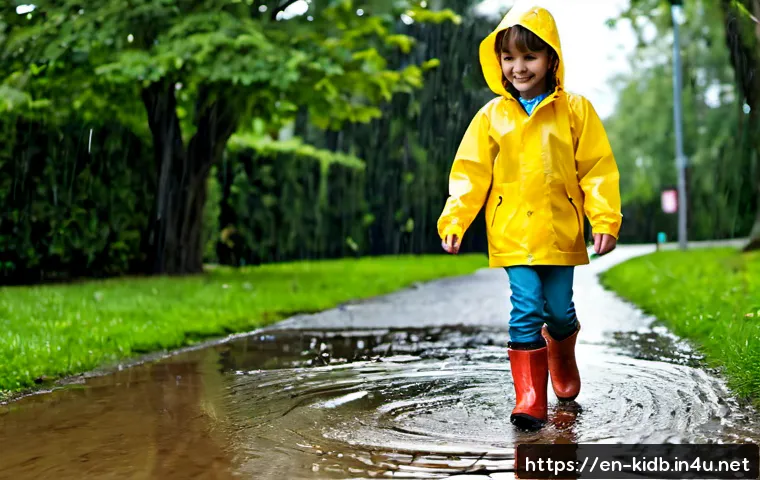
Clothing that adapts to different weather conditions is a lifesaver for parents constantly on the go. I’ve tested waterproof jackets with breathable membranes and quick-dry pants that really hold up during unpredictable weather.
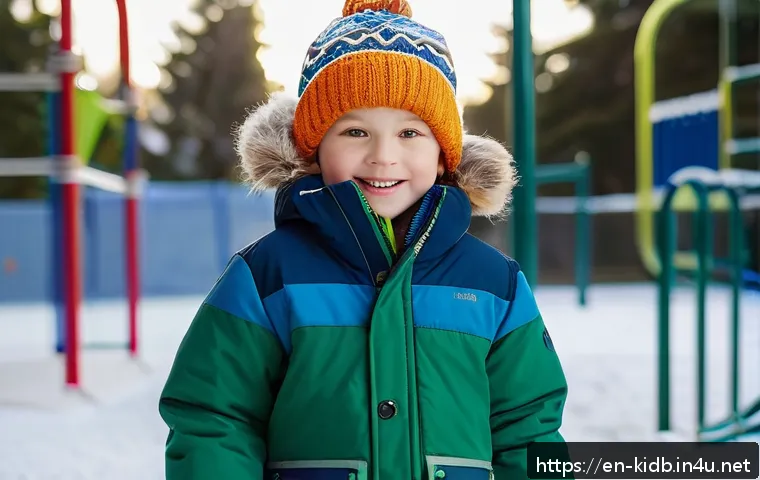
Brands that integrate UV protection or insulated linings provide extra value, too. When you live in a place with changing seasons, investing in versatile pieces that keep kids comfortable and dry is a no-brainer.
Easy-On, Easy-Off Designs for Busy Mornings
Getting kids dressed quickly can be a daily challenge. Brands that prioritize features like wide neck openings, magnetic closures, or pull-on styles make mornings so much smoother.
I personally appreciate brands that avoid complicated buttons or zippers that kids struggle with. These small details add up, making a big difference in reducing stress during busy routines and giving kids a sense of independence.
Comparison of Key Features Across Popular Kids’ Clothing Brands
| Brand | Material Quality | Price Range | Sustainability | Durability | Design Focus |
|---|---|---|---|---|---|
| EcoTots | Organic cotton, bamboo blend | $$$ | Certified organic, fair trade | High – reinforced seams | Comfort & sustainability |
| PlayWear Co. | Mixed cotton blends with stretch | $ | Limited eco claims | Moderate – basic stitching | Activewear, flexibility |
| MiniChic | Premium cotton & recycled fibers | $$$ | Full transparency, GOTS certified | Very high – durable dyes & fabrics | Trendy & ethical |
| BudgetBuddy | Standard cotton/poly blends | $ | Minimal sustainability focus | Moderate – good for price | Basic everyday wear |
| PartyPixie | Soft linings, delicate outer fabrics | $$$ | Some use of recycled materials | Moderate – special care required | Dressy & comfortable |
In Closing
Choosing the right kids’ clothing is all about striking a balance between comfort, style, and durability. From soft, breathable fabrics to ethical production, every detail matters when dressing little ones for daily adventures or special occasions. Investing in quality pieces not only benefits your child’s comfort but also supports sustainable and mindful choices. Ultimately, thoughtful selections create happier kids and more satisfied parents.
Helpful Information to Keep in Mind
1. Prioritize natural, breathable fabrics like organic cotton or bamboo blends to keep kids comfortable all day long.
2. Look for flexible designs with stretch and ergonomic features to support active movement without restriction.
3. Durability is key; reinforced seams and high-quality dyes extend the life of kids’ clothes, saving money over time.
4. Verify a brand’s transparency and certifications to ensure ethical production and genuine sustainability efforts.
5. Consider adjustable sizing and easy-care fabrics to maximize usability and simplify busy family routines.
Key Takeaways
When selecting kids’ wear, focus on fabrics that combine softness with breathability to enhance comfort. Choose brands that design for movement and durability, ensuring garments stand up to everyday wear and washing. Ethical sourcing and transparency are essential for supporting sustainability in children’s fashion. Lastly, balancing price with quality and practicality helps families build wardrobes that are both budget-friendly and long-lasting.
Frequently Asked Questions (FAQ) 📖
Q: How can I tell if a kids’ clothing brand is truly sustainable and ethical?
A: Great question! The best way to verify a brand’s sustainability and ethics is to look for transparency—check if they openly share information about their sourcing, manufacturing processes, and labor practices.
Certifications like GOTS (Global Organic Textile Standard) or Fair Trade can be good indicators. Also, brands committed to sustainability often use organic materials, minimize waste, and have clear policies on fair wages and safe working conditions.
From my experience, brands that engage with customers on these topics and don’t shy away from tough questions tend to be more trustworthy.
Q: What should I prioritize when choosing kids’ clothes: style, comfort, or durability?
A: Honestly, it’s a balancing act. Comfort should always come first because kids need freedom to move and play without irritation. Durability is next—kids can be tough on clothes, so fabrics that hold up through washing and rough play save you money in the long run.
Style is important too, but I’ve found that many brands now offer trendy options that don’t compromise on comfort or quality. When I shop, I look for soft, breathable fabrics with reinforced stitching and cute designs that my kids actually want to wear.
Q: Are there any insider tips for saving money on quality children’s clothing?
A: Absolutely! One trick I swear by is shopping off-season—buy winter clothes in spring or summer items in fall when prices drop. Signing up for newsletters or loyalty programs can also snag you exclusive discounts.
Another tip is to invest in versatile pieces that mix and match easily, reducing the total number of items you need. Lastly, don’t overlook resale and consignment shops for gently used clothes that are often like new.
I’ve saved a ton this way without sacrificing quality or style.