In today’s fast-paced world, choosing the right kidswear goes beyond just style—it’s all about comfort and durability. With brands like Carters and Jeep Kids leading the market, parents often wonder how their fabric choices impact their little ones’ daily wear experience.
As more families prioritize soft, breathable materials that can keep up with active lifestyles, understanding these fabric differences becomes essential.
Whether you’re dressing your toddler for playtime or school, knowing what sets these brands apart can help you make smarter, more comfortable choices.
Let’s dive into the fabric secrets behind Carters and Jeep Kids to ensure your child’s wardrobe is both cozy and practical.
Understanding the Feel and Functionality of Everyday Fabrics
The Softness Factor: Why Cotton Rules the Playroom
When it comes to kidswear, softness isn’t just a luxury—it’s a necessity. Cotton, a staple in both Carters and Jeep Kids collections, stands out for its natural breathability and gentle touch on sensitive skin.
I’ve noticed that kids tend to stay happier and less fussy in clothes that don’t itch or irritate. Cotton’s moisture-wicking properties also mean that even during active play, sweat evaporates quickly, keeping little ones comfortable throughout the day.
This is a huge win for parents who want durable yet cozy outfits that don’t require constant changing.
Durability Meets Comfort: The Blend That Keeps Up
While 100% cotton is fantastic, many parents I know prefer blends that incorporate polyester or spandex. These blends maintain softness but add resilience—perfect for kids who seem to outgrow clothes faster than you can buy them.
Jeep Kids often use cotton-polyester blends, which hold their shape well after multiple washes and resist wrinkles. This combination offers a bit of stretch too, allowing for unrestricted movement.
From personal experience, these blends strike a great balance; they feel soft but withstand the rough-and-tumble nature of playtime better than pure cotton.
Breathability and Beyond: Keeping Little Ones Cool
Breathability isn’t just about fabric choice but also about weave and finish. Carters tends to favor lighter weaves that allow air to circulate, which is a blessing during warm weather or indoor play.
In contrast, Jeep Kids sometimes incorporate more textured fabrics for fall and winter collections, focusing on warmth without sacrificing breathability.
I’ve seen how proper airflow in kidswear can prevent overheating and skin irritation, especially for toddlers who are constantly on the move. It’s a subtle difference but one that parents quickly appreciate once they notice fewer complaints about itchy tags or sweaty backs.
How Fabric Construction Influences Longevity and Care
Thread Count and Stitching: The Unsung Heroes
One thing that often goes unnoticed is the thread count and stitching quality in kidswear. Higher thread counts in Carters’ items contribute to a smoother fabric surface, which means less friction against the skin and fewer pills after washing.
Jeep Kids, on the other hand, often emphasize reinforced stitching at stress points like knees and elbows, which translates to longer-lasting wear for energetic kids.
I remember buying a Jeep Kids jacket for my son that survived countless playground adventures without a single seam giving out—a testament to smart fabric construction.
Easy Care Fabrics for Busy Parents
Both brands understand that parents want clothes that don’t require a lot of fuss. Carters’ cotton garments generally wash well but can shrink if not handled properly, so their labels often recommend cold water and gentle cycles.
Jeep Kids’ polyester blends usually dry faster and resist wrinkles, which is a huge time-saver when juggling school mornings. From experience, the convenience of low-maintenance fabrics can’t be overstated, especially when you’re dealing with a laundry pile that never seems to end.
The Impact of Fabric on Sustainable Choices
More families are becoming eco-conscious, and fabric choices are a big part of that. Carters has been expanding its use of organic cotton, which reduces chemical exposure and supports sustainable farming.
Jeep Kids also offers some recycled fabric options, blending eco-friendliness with durability. Choosing these options means you’re not only prioritizing comfort but also supporting a healthier planet.
I find it rewarding to know that the clothes my kids wear are made with an eye toward sustainability without sacrificing quality or style.
Comparing Fabric Features Side by Side
| Feature | Carters | Jeep Kids |
|---|---|---|
| Primary Fabric | Predominantly 100% Cotton, Organic Cotton options | Cotton blends with polyester and spandex |
| Softness | Very soft, ideal for sensitive skin | Soft with added stretch for mobility |
| Durability | Good, but may pill after extensive wear | High, reinforced stitching for active wear |
| Breathability | Light weave for warm weather | Varies by season; textured for warmth in cooler months |
| Care | Cold wash recommended, prone to shrinkage | Wrinkle-resistant, quick-dry blends |
| Sustainability | Organic cotton lines expanding | Recycled fabric options available |
How Fabric Choices Affect Comfort During Active Play
Movement and Stretch: Why Kids Need Flexibility
Kids are natural explorers, and their clothes need to keep up. Jeep Kids’ inclusion of spandex in many pieces offers a noticeable stretch that allows kids to climb, jump, and run without feeling restricted.
I’ve seen firsthand how a lack of stretch can lead to frustration—tight sleeves or stiff pants can make even simple activities uncomfortable. Carters tends to focus more on classic cuts with pure cotton, which might feel less flexible but often provides a breathable and soft base layer for layering.
For active kids, blends with stretch often mean more smiles and less fuss.
Temperature Regulation During Play
Fabric choice directly impacts how well kids regulate their body temperature. Cotton’s natural fibers absorb sweat, but without proper airflow, it can feel damp and heavy.
Jeep Kids’ polyester blends dry faster, which helps kids stay dry and comfortable even during extended outdoor play. I noticed that on hot days, my child’s Jeep Kids shirts were less clingy and dried quickly after water play or sweating, while pure cotton sometimes stayed damp longer.
This difference can be a game-changer when you want kids to focus on fun, not discomfort.
Resisting Wear and Tear on the Playground
Active play means clothes take a beating, and fabric durability is crucial. Jeep Kids’ approach to fabric blends and reinforced stitching means their clothes hold up well under rough conditions.
Carters pieces may show wear sooner but often compensate with a softer feel and easy replacement availability. From my experience, Jeep Kids are better suited for kids who are heavy on outdoor adventures, while Carters works well for everyday casual wear or less intense activities.
Seasonal Fabric Choices and Their Benefits
Lightweight Fabrics for Summer Comfort
Summer calls for breathable, lightweight fabrics that keep kids cool. Carters shines here with its use of thin cotton knits and breathable weaves that allow maximum airflow.
I’ve found their summer tees and dresses to be perfect for hot days at the park or beach, providing softness without overheating. Jeep Kids also offers lightweight options, but they often incorporate synthetic blends that dry quickly if kids get wet, making them ideal for water play and active summer adventures.
Insulating Fabrics for Cooler Months
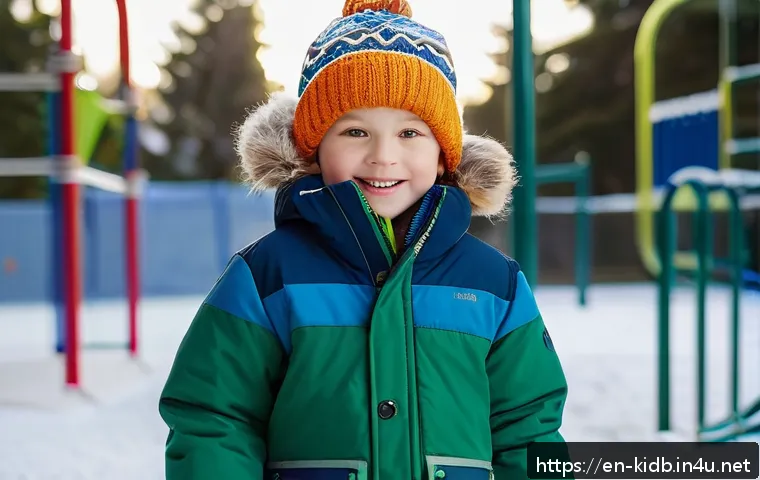
When the temperature drops, fabric thickness and insulation become priorities. Jeep Kids often incorporates fleece linings and heavier cotton blends that trap warmth while maintaining breathability.
I’ve appreciated how these fabrics keep my kids cozy during chilly school runs or weekend hikes without feeling bulky. Carters offers cotton layers that are soft and comfortable but sometimes require additional layering for warmth.
The choice often depends on how much layering you’re willing to do and your child’s tolerance for cold.
Transitional Fabrics for Year-Round Use
For seasons that fluctuate, fabrics that adapt are invaluable. Both brands offer mid-weight cotton blends that provide moderate warmth and good breathability.
I’ve found these to be my go-to choices in spring and fall when mornings are cool but afternoons warm up. The versatility of these fabrics means fewer outfit changes and less laundry hassle, which every parent can appreciate.
Fabric Innovations Enhancing Kidswear Experience
Moisture-Wicking Technologies
Some Jeep Kids garments feature moisture-wicking finishes that actively pull sweat away from the skin. From my experience, this technology keeps kids feeling dry and comfortable during sports or long play sessions.
Carters is gradually introducing similar features in their performance lines, but it’s more common in Jeep Kids’ activewear. This innovation is a real lifesaver for parents wanting to minimize skin irritation caused by damp clothes.
Anti-Microbial Treatments for Hygiene
Hygiene matters, especially with kids who are constantly exposed to germs. Jeep Kids has started incorporating anti-microbial treatments in select fabrics to reduce odor and bacteria buildup.
I noticed that after multiple wears, these garments stayed fresher longer compared to untreated clothes. Carters is known more for classic, natural fabrics but is exploring these treatments as well.
This feature is a bonus for busy families who want to extend the time between washes.
Eco-Friendly Fabric Dyeing and Finishing
Both brands are moving toward more environmentally responsible dyeing processes that reduce water use and harmful chemicals. This means fewer allergens and softer fabrics for kids.
I’ve personally felt a difference in the texture of these newer clothes—softer and less chemically scented. Supporting brands that prioritize eco-friendly finishing not only benefits your child but also contributes to a cleaner planet for their future.
In Conclusion
Choosing the right fabric for children’s clothing is about balancing comfort, durability, and practicality. From the softness of cotton to the resilience of blends, each material plays a crucial role in how kids experience their day. Understanding these differences helps parents make informed decisions that keep their little ones happy and comfortable. Ultimately, thoughtful fabric choices enhance both playtime and everyday wear.
Useful Information to Keep in Mind
1. Cotton is ideal for sensitive skin due to its softness and breathability, making it a top choice for everyday kidswear.
2. Blended fabrics with polyester or spandex add durability and stretch, perfect for active children who need freedom of movement.
3. Proper fabric care, such as washing in cold water and following label instructions, extends the life of kids’ clothes.
4. Eco-friendly fabric options like organic cotton and recycled materials support sustainability without compromising quality.
5. Innovations like moisture-wicking and anti-microbial treatments improve comfort and hygiene during active play.
Key Takeaways
Fabric selection significantly impacts a child’s comfort, durability of clothing, and ease of maintenance. Soft, breathable cotton works well for sensitive skin and warm weather, while blends provide stretch and toughness for vigorous play. Parents should also consider sustainable options and modern fabric technologies that enhance performance and reduce environmental impact. Ultimately, balancing these factors ensures children stay comfortable and parents enjoy hassle-free care.
Frequently Asked Questions (FAQ) 📖
Q: What types of fabrics do Carters and Jeep Kids commonly use in their kidswear?
A: Carters typically uses soft, breathable cotton blends that prioritize comfort and ease of movement, making them ideal for sensitive skin and active toddlers.
Jeep Kids, on the other hand, often incorporates more rugged materials like cotton twill and polyester blends that enhance durability while still being comfortable.
Both brands focus on fabrics that can withstand frequent washing and rough play, but Carters leans more toward softness, whereas Jeep Kids emphasizes resilience.
Q: How do fabric choices affect the comfort and durability of kidswear from these brands?
A: Fabric choice directly impacts how comfortable and long-lasting a garment is for kids. Softer fabrics like those used by Carters reduce skin irritation and allow better breathability, which is perfect for active children who play a lot.
Jeep Kids’ sturdier fabrics, meanwhile, offer more protection against wear and tear, making their clothes last longer during outdoor adventures. In my experience, balancing softness with durability ensures kids stay comfortable without parents worrying about frequent replacements.
Q: Are there any special fabric features in Carters or Jeep Kids clothing that make them suitable for everyday wear?
A: Yes, both brands include thoughtful fabric features tailored to kids’ needs. Carters often uses pre-shrunk cotton and tagless labels to prevent discomfort, plus stretchy fabrics that adapt to a child’s movements.
Jeep Kids incorporates reinforced stitching and sometimes water-resistant finishes, which help clothes hold up during rough play and unpredictable weather.
From what I’ve noticed, these fabric details make a significant difference in keeping kids happy and parents stress-free throughout the day.