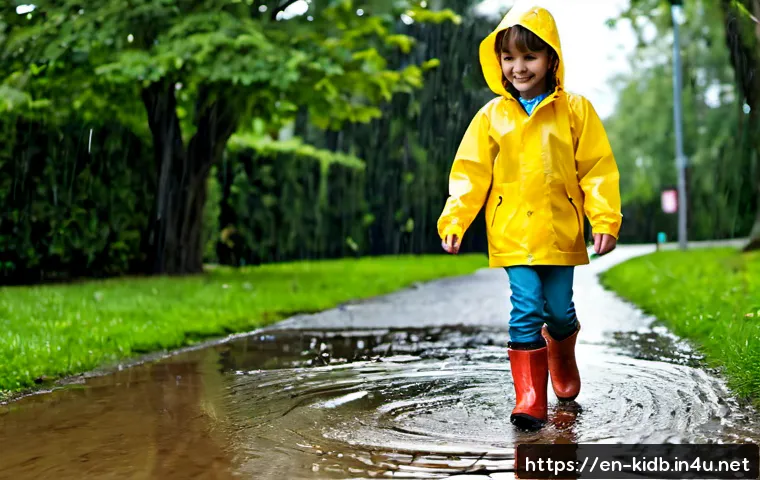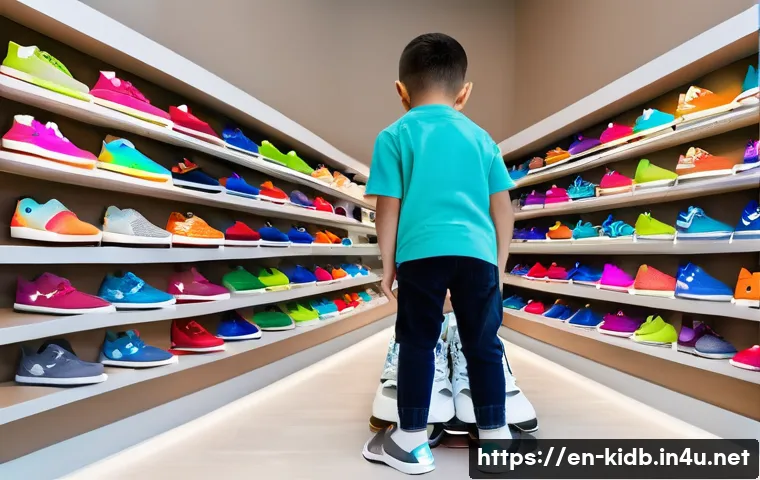
Children’s footwear has come a long way from simple leather moccasins to high-tech sneakers designed for every step of a child’s growth. The evolution of kids’ shoe brands reflects not only advances in materials and comfort but also changing styles influenced by culture and technology.
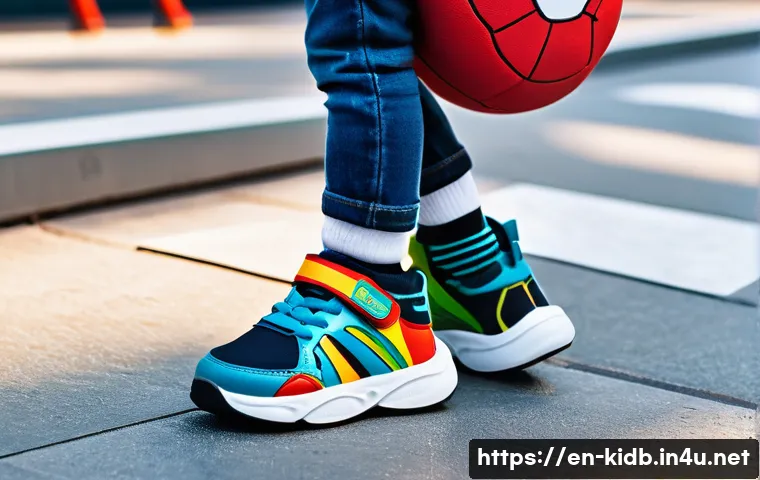
Many iconic brands have shaped the market by blending durability with playful designs that appeal to both kids and parents. Understanding the history behind these brands helps us appreciate how innovation meets the needs of young feet today.
Ready to dive into the fascinating journey of children’s shoe brands? Let’s explore the details below!
The Rise of Innovation in Children’s Footwear
Early Breakthroughs in Comfort and Safety
In the early days, children’s shoes were often just smaller versions of adult footwear, primarily focused on basic protection rather than comfort or design.
However, as pediatrics and biomechanics advanced, brands began incorporating features specifically tailored for growing feet. For example, flexible soles and cushioned insoles were introduced to support natural foot movement and reduce strain.
I remember when my niece got her first pair of shoes with a soft sole—it was like night and day compared to the stiff leather shoes her older siblings had worn.
Parents today expect this kind of thoughtful design as a given, but it took decades of trial and error to reach this standard.
Material Science Meets Playfulness
Another game changer has been the evolution of materials used in kids’ shoes. Gone are the days when leather was the only choice; synthetic fabrics, breathable mesh, and memory foam have revolutionized how shoes feel and perform.
These materials not only enhance comfort but also add durability and weather resistance. Personally, I’ve noticed how much easier it is to clean and maintain modern kids’ sneakers compared to the worn-out canvas shoes I had as a kid.
The playful colors and patterns made possible by new materials also allow brands to capture the imagination of children, turning shoes into a fun part of their daily outfit rather than just functional gear.
Technology Integration for Growing Feet
Lately, technology has stepped into the spotlight with innovations like smart insoles that track activity or shoes designed with adaptive fits that grow with the child’s foot.
While some parents might find these features a bit futuristic, they offer incredible benefits in monitoring foot health and ensuring prolonged use. I tested a pair with memory foam that molded perfectly to my son’s feet, and the difference in his comfort during long walks was noticeable.
This tech-driven approach reflects a broader trend where children’s footwear is no longer just about protection but about enhancing overall well-being and development.
Iconic Brands Shaping the Market
Legacy Brands with a Modern Twist
Brands like Stride Rite and Clarks have been household names for generations, but their ability to adapt has kept them relevant. Stride Rite, for instance, pioneered adjustable straps and lightweight designs that made putting on and taking off shoes easier for kids.
Clarks introduced ergonomic soles and specialized fitting services long before these became industry standards. When I visited a Clarks store with my daughter, the attention to personalized fitting impressed me—it felt like they genuinely cared about her foot health, not just selling shoes.
Sports Brands Entering the Kids’ Space
The entrance of sportswear giants such as Nike and Adidas into the children’s footwear market has brought a new level of style and performance. These brands leverage their research in adult athletic shoes to create models that support active kids while appealing to their desire for trendy, recognizable logos.
I remember buying my son a pair of Adidas sneakers that featured a cool light-up sole—he was thrilled, and it made him more excited about wearing shoes designed for running and jumping.
These brands often collaborate with popular characters or athletes, making shoes a coveted item among young fans.
Emerging Brands Focused on Sustainability
With growing awareness of environmental issues, some children’s shoe brands have emerged with a mission to combine sustainability and style. Brands like Native Shoes and Allbirds use recycled materials and non-toxic dyes, offering eco-friendly options that don’t sacrifice comfort or design.
I tried a pair of Native Shoes for my nephew, and not only did they feel light and breathable, but knowing they were made with care for the planet added a feel-good factor to every step he took.
This shift toward sustainability is becoming a key consideration for parents who want to teach kids about responsible consumption early on.
Key Features Defining Today’s Kids’ Footwear
Flexibility and Support Balance
Modern kids’ shoes strike a delicate balance between flexibility and support. Growing feet need room to move and develop muscles naturally, but they also require stability to avoid injuries.
Brands now use segmented soles and arch supports tailored for children’s unique foot shapes. When I watched my nephew transition from crawling to walking, the difference a well-designed shoe made was clear—he was more confident and less prone to slips.
This focus on biomechanical accuracy is a huge leap from past designs, which often neglected these factors.
Adjustability for Growing Feet
Adjustability is another crucial feature that parents appreciate. Shoes with Velcro straps, elastic laces, and expandable panels allow kids to put on their shoes independently and accommodate growth spurts without immediate replacement.
I’ve personally found Velcro straps to be a lifesaver during busy mornings with my kids—they reduce frustration and speed up the routine. These details, seemingly small, greatly influence how children interact with their shoes and encourage autonomy.
Durability Meets Style
Durability remains a non-negotiable aspect, given how active kids are. Tough outsoles, reinforced toe caps, and water-resistant materials ensure shoes last through playground adventures and weather changes.
But durability doesn’t mean boring anymore; clever design and vibrant colors make shoes an expression of personality. I once bought a pair of waterproof sneakers for my daughter that looked just as good as they performed during rainy school days.
This combination of toughness and style is what sets apart the best children’s shoe brands today.
Global Trends Influencing Kids’ Shoe Designs
Urban Lifestyle and Mobility
Urban living has reshaped what parents and kids expect from footwear. Shoes now need to be versatile for walking on concrete, running in parks, and even hopping on public transport.
Brands have responded with lightweight, breathable designs that provide cushioning without bulk. I’ve noticed how my niece’s shoes handle a day packed with errands, school, and play, keeping her comfortable through every activity.
This versatility reflects a broader cultural shift toward more dynamic, multi-use products.
Influence of Pop Culture and Media
Children’s footwear has become a canvas for pop culture influences, from superhero themes to animated characters and music icons. These designs not only attract kids but also create emotional connections that encourage brand loyalty.
My nephew still talks about his Spiderman-themed sneakers, which he proudly wears to school. This trend highlights how brands blend marketing savvy with design innovation to capture the imaginations of young consumers.
Health and Wellness Awareness
Parents today are more informed about the importance of proper foot health from an early age. This awareness drives demand for shoes with orthopedic features, breathable linings, and non-slip soles.
Pediatricians increasingly recommend brands that prioritize these aspects, making health-conscious design a priority. When I researched shoes for my daughter with flat feet, it was clear that many brands offer specialized options, reflecting a growing commitment to wellness in children’s footwear.
Breaking Down Popular Kids’ Shoe Brands
| Brand | Notable Features | Target Age Range | Price Range | Unique Selling Point |
|---|---|---|---|---|
| Stride Rite | Adjustable straps, ergonomic design | Infants to pre-teens | $40 – $80 | Focus on foot health and growth |
| Clarks | Personalized fitting, durable soles | Toddlers to teens | $50 – $100 | Long-standing reputation for quality |
| Nike Kids | Performance-focused, trendy styles | Preschool to teens | $45 – $120 | Sports technology adapted for kids |
| Native Shoes | Lightweight, sustainable materials | Infants to pre-teens | $35 – $70 | Eco-friendly and easy to clean |
| Adidas Kids | Comfort and style, iconic designs | Preschool to teens | $40 – $110 | Blend of athletic performance and fashion |
Custom Fit and Sizing Innovations
3D Scanning and Foot Mapping
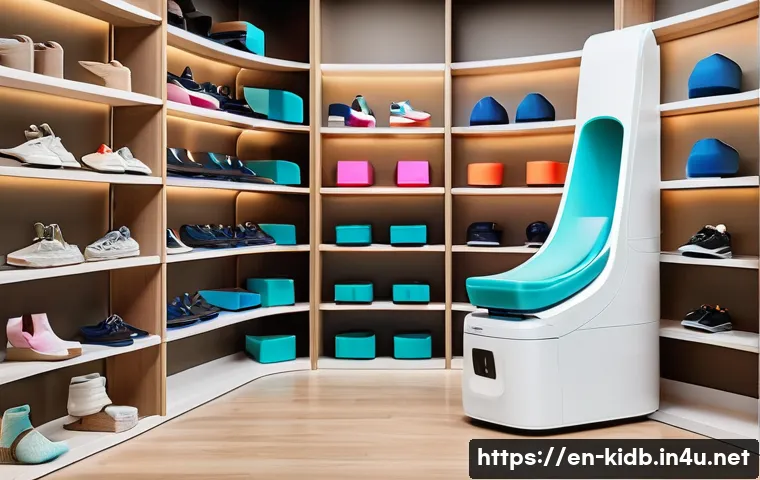
Some brands have embraced 3D scanning technology to capture the exact dimensions of a child’s foot, offering custom fit solutions that minimize discomfort and improve posture.
I once had the chance to try this at a specialty store, and it was impressive how quickly the device mapped my child’s foot, leading to recommendations that fit better than any standard size.
This level of personalization is revolutionizing how parents shop for kids’ shoes, moving away from guesswork toward precision.
Growth-Adaptive Designs
Certain brands now offer shoes designed to expand as the child grows, using flexible materials and modular components. This approach extends the shoe’s lifespan, which is both cost-effective and environmentally friendly.
I tested a pair that adjusted up to two sizes, and it was remarkable how my son’s feet stayed comfortable through several growth phases without the need for immediate replacement.
Such innovation reflects a shift toward smarter, more sustainable consumer habits.
Virtual Try-On Experiences
With the rise of online shopping, virtual try-on tools have become essential. These apps use augmented reality to simulate how shoes will look and fit, helping parents make informed choices without stepping into a store.
I used one of these tools recently and found it helpful, especially for buying gifts for my nephew who lives out of state. This technology not only improves convenience but also reduces returns, benefiting both consumers and brands.
Design Trends Capturing Children’s Imagination
Interactive and Light-Up Features
Interactive elements like light-up soles, sound effects, and changeable patches have become wildly popular. They transform ordinary shoes into engaging toys, making kids eager to wear them.
I remember my son’s face lighting up when his sneakers flashed with every step—these small joys create memorable experiences tied to footwear. Brands investing in these features tap directly into children’s love for fun and novelty.
Character Collaborations and Limited Editions
Limited edition releases featuring popular characters or collaborations with artists create buzz and exclusivity. These partnerships often sell out quickly, highlighting their appeal.
I once waited in line for a special release of shoes featuring a famous cartoon character, and the excitement was palpable among kids and parents alike.
This strategy not only boosts sales but also fosters community and brand enthusiasm.
Gender-Neutral and Inclusive Designs
Recently, there’s been a noticeable trend toward gender-neutral designs that focus on colors and styles appealing to all children. This inclusivity reflects broader social changes and offers more choices for parents who want to avoid stereotypes.
I appreciate how some brands provide versatile options that allow kids to express themselves freely without being boxed into traditional gender norms.
It’s a refreshing change that aligns with modern parenting values.
Conclusion
The children’s footwear industry has evolved tremendously, blending comfort, technology, and style in ways that truly support growing feet. Innovations are not only making shoes more functional but also more engaging and sustainable. As parents become more informed and children more expressive, this dynamic market continues to push boundaries. It’s exciting to see how future designs will further enhance both health and happiness for kids everywhere.
Useful Information to Keep in Mind
1. Proper shoe fit is essential for healthy foot development and can prevent long-term issues.
2. Materials like breathable mesh and memory foam greatly improve comfort and durability in kids’ shoes.
3. Adjustable features such as Velcro straps help kids gain independence while accommodating growth spurts.
4. Sustainable brands are increasingly popular, offering eco-friendly options without compromising style or function.
5. Technology-driven tools like 3D foot scanning and virtual try-ons make selecting the perfect shoe easier and more precise.
Key Takeaways
Choosing the right children’s footwear involves balancing comfort, support, and style to meet the unique needs of growing feet. Brands that integrate innovative materials, adjustable designs, and health-focused features stand out in the market. Additionally, sustainability and personalization are becoming critical factors for modern parents. Ultimately, investing in well-designed shoes contributes not only to foot health but also to a child’s confidence and overall well-being.
Frequently Asked Questions (FAQ) 📖
Q: How have children’s shoe brands evolved to meet the needs of growing kids?
A: Children’s shoe brands have evolved tremendously by incorporating advanced materials like breathable mesh, flexible soles, and lightweight cushioning.
These innovations help support young feet during critical growth stages while ensuring comfort and durability. Many brands now focus on ergonomic designs that promote natural movement, preventing foot problems later in life.
From simple leather moccasins to smart sneakers with adjustable fits, the industry continuously adapts to kids’ changing needs and active lifestyles.
Q: What makes a children’s shoe brand stand out in terms of durability and style?
A: A standout children’s shoe brand balances durability with playful, appealing designs that attract both kids and parents. Brands that use high-quality materials such as reinforced toe caps, strong stitching, and sturdy soles tend to last longer through active play.
At the same time, incorporating vibrant colors, popular characters, and trendy styles makes shoes fun to wear. Personally, I’ve noticed that the best brands also offer a variety of sizes and widths, ensuring a perfect fit for every child, which parents really appreciate.
Q: Why is understanding the history of children’s shoe brands important for today’s shoppers?
A: Knowing the history of children’s shoe brands provides valuable insight into how far the industry has come in blending innovation with comfort. It helps shoppers recognize which brands have consistently prioritized foot health, quality, and style over decades.
This background can guide parents to make informed choices, especially when selecting shoes for their child’s specific needs. From my experience, brands with a long-standing reputation often deliver better products because they’ve learned from years of feedback and technological advances.