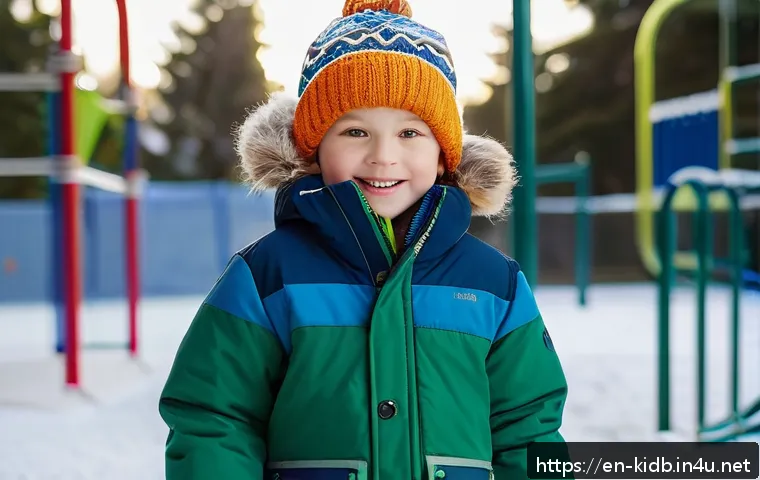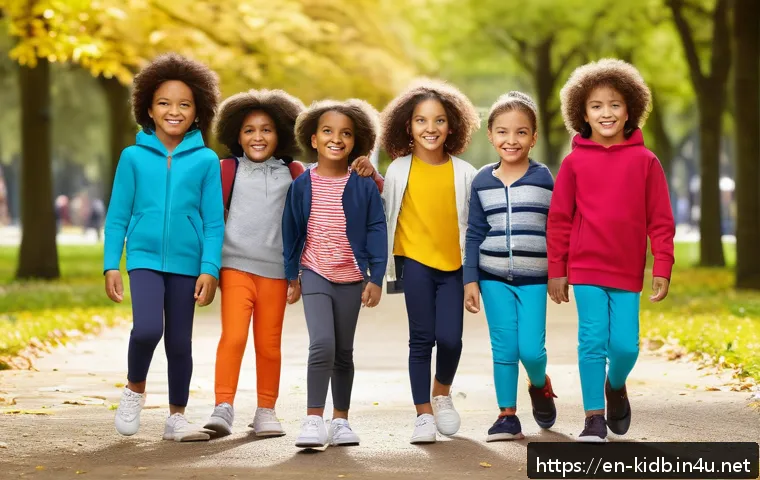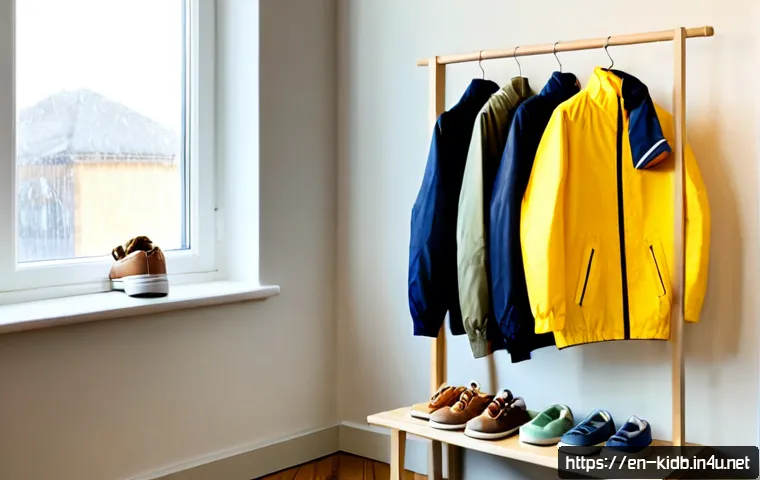
The best children’s clothing brands are not defined by a logo or a high price alone; they stand out through practical fabric choices, reliable construction, usable fit, and clear product information.

For most families, the strongest value comes from clothes that stay comfortable and presentable through frequent wear and washing. Compare fiber content, care instructions, sizing details, and return terms before treating a brand claim as a reason to buy.
A lower-priced basic can be the sensible choice for fast-growing children, while a more durable piece may suit high-rotation school clothes or hand-me-down plans.
The right option depends on how often the item will be worn, washed, stretched, and passed along.
At a Glance
- Daily wear: Prioritize washable fabric, secure seams, comfortable finishes, and sizing that works for regular movement.
- Long-term value: Look beyond the price tag and compare durability, room to grow, and hand-me-down potential.
- Gifts and special pieces: Check garment measurements, care needs, and return terms before choosing a less flexible item.
| Shopping Option | Durability Focus | Materials and Details | Fit Considerations | Return-Policy Check |
|---|---|---|---|---|
| Budget basics | Useful when frequent replacement is expected | Review fiber content, care label, and basic seam finishing | Check measurements instead of relying on the age label | Helpful when buying several sizes online |
| Mid-range everyday wear | Often worth comparing for high-rotation essentials | Look for practical features such as adjustable waists and easy closures | Consider room for movement and ordinary growth | Confirm the return window before removing tags or washing |
| Premium or specialty pieces | May suit longevity, occasion wear, or gifting | Check whether material or certified-fiber claims apply to that specific item | Fit matters more when the item is structured or less stretchy | Review conditions carefully, especially for gift purchases |
What Actually Makes a Children’s Clothing Brand Stand Out?
The Short Answer: Practical Quality Beats Labels Alone
A standout children’s clothing brand makes everyday dressing easier. That usually means fabrics that can handle frequent washing, construction that supports active movement, and details that reduce morning battles over scratchy tags or difficult fasteners. A recognizable label, a premium-looking website, or a higher price can be part of the shopping experience, but none proves that a particular garment will last longer.
Focus on the item in front of you. Read the fiber content, look at the care label, review available sizing information, and check whether the product page includes relevant safety notices. These details give a more useful starting point than broad brand messaging.
Five Signals Parents Can Assess Before Ordering
First, inspect the stated fabric composition and consider how it fits the child’s routine. Second, look for information about care requirements, because a garment that needs more delicate treatment may not work for a busy laundry cycle. Third, review visible construction details such as seams, reinforced areas, and closures. Fourth, compare the brand’s size chart with garment measurements when available. Fifth, read the current return policy before ordering, especially if you are between sizes.
For sustainable children’s clothing, use the same approach. Terms such as organic, recycled, and certified materials may be meaningful, but claims can vary by product line. Check the description for the individual garment rather than assuming the same material standard applies across an entire catalog.
Why the Best Choice Depends on How the Clothes Will Be Used
A soft outfit for occasional photos, a school uniform layer, and pants for daily playground use should not be judged by identical criteria. School and daycare clothing usually needs dependable washability and easy dressing. Outdoor play clothes benefit from flexible fabrics and reinforced high-wear areas. Gift clothing may place more weight on presentation, sizing flexibility, and the recipient’s ability to exchange it.
Start with the use case, not the brand tier. This keeps a kidswear comparison practical and helps prevent spending more on features your family may not use.
Compare Quality, Fit, and Price-to-Wear Before You Buy
Fabric Feel, Weight, Stretch, and Washability
Children’s clothing is commonly washed often, so fabric performance matters after the first wear. Consider whether a fabric appears suited to repeated laundry, whether stretch is likely to support normal movement, and whether the item needs care that fits your household routine. Fabric recovery can matter for garments that are pulled, bent, and worn for long days.
Colorfastness and fabric recovery may affect how usable an item remains over time, but product pages cannot predict how every garment will respond to a particular washing routine. Follow the care label and treat it as part of the total ownership cost, not as fine print to ignore.
Construction Details That Support Active Children
Construction is where durable kidswear can earn its place in a wardrobe. Look for secure seams in areas that experience regular movement. For pants, reinforced knees may be useful for crawling, climbing, and active play. Adjustable waistbands can extend the workable fit period, while simple fasteners can help children dress with greater independence.
Not every child needs every feature. A reinforced knee may matter more for playground pants than for a formal outfit. A flexible waistband may be more valuable for daycare than for a once-a-year occasion piece. Compare design details against the way the garment will actually be worn.
Sizing Consistency, Room to Grow, and Return-Policy Value
Online sizing varies between children’s clothing brands. An age label is only a starting point, so review the sizing chart and garment measurements where they are offered. If a child is near a size boundary, consider the garment’s stretch, intended silhouette, and the room needed for layering.
A clear return policy adds real value when fit is uncertain. Before checkout, confirm the current return window and any conditions that may apply. This is particularly important for gift buyers, seasonal purchases, and structured garments that offer less flexibility than casual basics.
Budget Versus Premium: When the Extra Cost Can Make Sense
Higher upfront prices do not automatically create better value. A fair comparison considers cost per wear: how often the item may be worn, whether it stays comfortable, whether it continues to fit for a useful period, and whether it could be passed to another child. A garment that is rarely used has limited value even if the materials sound impressive.
Premium kidswear can make sense for specialty needs, durable high-rotation pieces, or gifts where design and presentation matter. Budget basics can be smarter when children are growing quickly, replacement is expected, or the item is likely to face heavy messes. The goal is not to buy the most expensive option; it is to buy the option that matches the job.
Design Features That Matter in Everyday Family Life
Comfort Details: Soft Seams, Tag-Free Finishes, and Easy Closures
Comfort can determine whether a child will actually wear a garment. Tag-free labels, soft finishes, uncomplicated closures, and non-restrictive designs can reduce small but repeated sources of frustration. These details are especially useful for everyday tops, underwear layers, sleepwear, and school clothes.
Comfort remains individual. A feature that works well for one child may not suit another, so use familiar clothing preferences as a guide when trying a new kids fashion brand.
Play-Ready Features: Reinforced Areas and Flexible Fabrics
For active children, compare how a garment may perform during ordinary movement rather than how it looks in a product image. Flexible fabrics, secure seams, and reinforced wear areas are practical features to look for. Easy-on designs may also be useful for children who change clothes at school, daycare, or sports activities.
Do not assume that a casual appearance guarantees a play-ready garment. Check the product description and care instructions, then decide whether the clothing is appropriate for the child’s normal level of activity.
Parent-Friendly Details: Easy Care, Mix-and-Match Colors, and Layering
The most useful wardrobe pieces often work with several outfits. Coordinated colors, simple layers, and styles that pair with existing clothing can reduce the number of separate items needed. Easy-care fabrics can also make a difference when laundry is frequent.
When comparing children’s clothing subscription boxes or curated outfit services, apply the same filter: assess the material information, sizing approach, return conditions, and whether the selected pieces fit the child’s real routine. Convenience is helpful only when the clothes are usable.
Avoid Common Mistakes When Comparing Kidswear Brands
Treating a High Price as Proof of Durability
Price can reflect many things, but it is not a guarantee of seam strength, color retention, fit longevity, or comfort. Compare the construction, care needs, fabric information, and intended use of each item. A simpler piece with the right practical details may offer better price-to-wear value than a costly item with limited use.
Ignoring Care Instructions and Likely Laundry Demands
Before buying, ask whether the garment’s care needs fit your household. Frequent washing can affect usable lifespan, so a care label deserves the same attention as the design. A beautiful item that is inconvenient to wash may be best reserved for occasional wear rather than everyday use.
Buying by Age Label Without Checking Measurements

Age labels are not a precise fit guarantee. Check the brand’s current sizing chart and, when available, compare garment measurements with clothes that already fit well. For online orders, return terms are part of the fit decision.
Assuming Broad Sustainability Claims Apply to Every Garment
Sustainable children’s clothing claims should be read at the product level. A brand may offer organic, recycled, or certified-material items without those descriptions applying to every style. Review the exact product page, fiber content, and current documentation before making a decision based on a sustainability claim.
Choose by Situation: School, Play, Gifts, and Hand-Me-Downs
Everyday School and Daycare Wardrobes
For school and daycare, prioritize washability, comfortable fit, easy fasteners, and mix-and-match use. These garments are likely to be worn frequently, so dependable sizing and practical care matter more than novelty details. Mid-range durable essentials may be worth comparing when an item will stay in regular rotation.
Outdoor Play and Sports-Focused Clothing
For outdoor play, look for flexible movement, strong seams, and reinforced areas where appropriate. Choose clothing based on the activity rather than assuming every casual item can handle the same wear. Check care instructions before selecting a garment that may face repeated washing.
Occasion Wear and Gift Purchases
For occasion wear, comfort still matters. Review sizing carefully, particularly for less stretchy or more structured pieces. Gift buyers should favor items with clear measurements and accessible return information, since the recipient’s preferred fit and care routine may differ from expectations.
Durable Basics for Siblings and Resale Potential
If hand-me-down potential is important, focus on pieces likely to remain useful after regular wear: practical colors, comfortable shapes, durable construction details, and care requirements that are manageable. There is no guarantee that an item will retain its condition or appeal, but choosing versatile basics can support longer wardrobe use.
Selection Criteria and Comparison Summary
Choose budget basics if: frequent replacement is expected, the child is growing rapidly, or the item is likely to face messy, high-risk use.
Choose durable mid-range pieces if: you are buying school clothes, daycare layers, everyday pants, or other high-rotation essentials where fit and washability matter repeatedly.
Consider premium items if: the garment serves a specialty need, has a realistic chance of extended use, may be passed down, or is being selected as a gift or occasion piece.
Before checkout, compare fiber content, care instructions, construction features, size measurements, total cost, and the current return policy. For organic, recycled, certified-material, or sustainability claims, check the specific product description and official documentation on the relevant product page.
In Closing
A children’s clothing brand becomes worth choosing when its individual garments fit a family’s daily needs. The best comparison is practical: consider laundry, comfort, movement, fit, and how long the item is likely to remain useful. Price matters, but price-to-wear is often a more helpful question. Check the details before ordering, especially when buying online or choosing a gift.
Useful Things to Know
1. Frequent washing makes care labels, seam quality, colorfastness, and fabric recovery relevant to everyday value.
2. Adjustable waistbands, reinforced knees, tag-free finishes, and easy closures can improve usability, but their value depends on the child and activity.
3. A return policy can be as important as a size chart when ordering from an unfamiliar brand.
4. Cost per wear is a comparison tool, not a guarantee; fit longevity and actual use affect the result.
Important Notes
Product materials, certifications, manufacturing practices, prices, shipping costs, discounts, and return terms can change. A claim made for one product line may not apply to every item sold by a brand. No product description can guarantee fit, comfort, laundry performance, or durability for a specific child, so review current item details and policies before purchasing.
Frequently Asked Questions
Q1. Are expensive children’s clothing brands always better quality?
A1. No. A higher price does not automatically mean stronger seams, better fabric recovery, easier care, or a longer useful fit period. Compare the specific garment’s materials, construction details, care label, sizing information, and likely number of wears.
Q2. What should parents check before buying children’s clothes online?
A2. Check fiber content, care instructions, the current size chart, available garment measurements, safety notices, and the return policy. These details are especially useful when trying a new brand or ordering between sizes.
Q3. Is sustainable children’s clothing worth the higher price?
A3. It depends on the item and your priorities. Organic, recycled, and certified-material claims may differ by brand and product line, so check the specific product description. Also consider whether the garment’s fit, care needs, and expected use support its overall value.
Q4. Which clothing features are best for active children?
A4. Flexible fabrics, secure seams, reinforced knees or other high-wear areas, easy closures, and comfortable finishes can be useful. The best features depend on the child’s usual activities and how often the item will be washed.
Q5. How can I compare kids’ clothing prices fairly across brands?
A5. Look beyond the initial price and compare expected use. Consider durability, fit longevity, care requirements, frequency of wear, and whether the item may be passed down. This price-to-wear approach gives a more balanced comparison than price alone.