As a parent myself, I totally get the never-ending quest for stylish, durable, and, let’s be honest, *affordable* clothes for our little ones. It feels like one minute they’re in newborn sizes, and the next, they’ve sprouted into a whole new wardrobe requirement!
We all want our kids to look adorable and feel comfortable without breaking the bank, especially when they outgrow outfits every six months or so. This constant cycle often leads us down the path of fast fashion, where brands like Zara Kids and H&M Kids shine, promising trendy pieces at tempting price points.
But when you’re standing in the store (or, let’s be real, endlessly scrolling online after bedtime), a big question always looms: which one offers the better bang for your buck?
I’ve personally spent countless hours comparing tags, feeling fabrics, and, yes, even calculating the “cost per wear” in my head – because every dollar counts, right?
It’s not just about the initial price; it’s about how well those cute tees and tiny jeans hold up to playground adventures, endless washes, and the general chaos of kid life.
In an era where sustainability and ethical consumption are more important than ever, understanding the true value behind these fast-fashion giants becomes even more critical for us savvy parents.
It’s a balancing act between staying on top of the latest adorable trends and making smart, long-lasting choices for our families and the planet. Let’s dive into a detailed comparison and see which brand truly wins the battle of the budgets for your little fashionistas and adventurers.
We’ll explore their price points, perceived quality, and overall value.As a parent myself, I totally get the never-ending quest for stylish, durable, and, let’s be honest, *affordable* clothes for our little ones.
It feels like one minute they’re in newborn sizes, and the next, they’ve sprouted into a whole new wardrobe requirement! We all want our kids to look adorable and feel comfortable without breaking the bank, especially when they outgrow outfits every six months or so.
This constant cycle often leads us down the path of fast fashion, where brands like Zara Kids and H&M Kids shine, promising trendy pieces at tempting price points.
But when you’re standing in the store (or, let’s be real, endlessly scrolling online after bedtime), a big question always looms: which one offers the better bang for your buck?
I’ve personally spent countless hours comparing tags, feeling fabrics, and, yes, even calculating the “cost per wear” in my head – because every dollar counts, right?
It’s not just about the initial price; it’s about how well those cute tees and tiny jeans hold up to playground adventures, endless washes, and the general chaos of kid life.
In an era where sustainability and ethical consumption are more important than ever, understanding the true value behind these fast-fashion giants becomes even more critical for us savvy parents.
It’s a balancing act between staying on top of the latest adorable trends and making smart, long-lasting choices for our families and the planet. Let’s dive into a detailed comparison and see which brand truly wins the battle of the budgets for your little fashionistas and adventurers.
We’ll explore their price points, perceived quality, and overall value.
Unpacking the Style Philosophy: Trend-Driven vs. Everyday Essentials
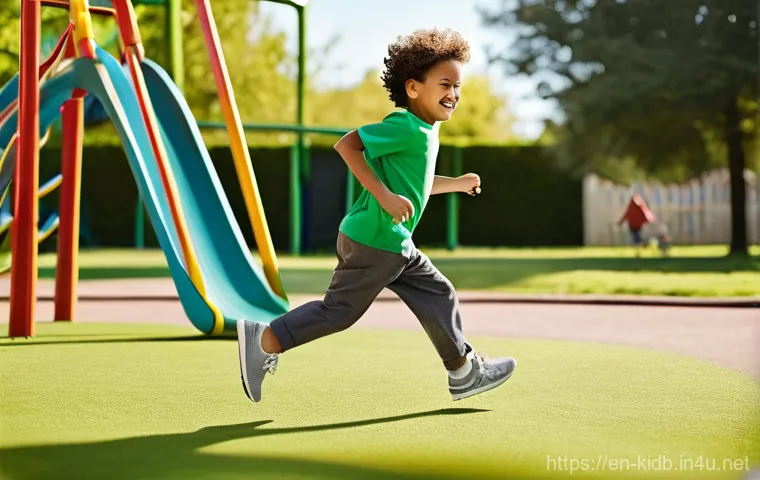
As a parent, I’ve often found myself admiring the sheer range of styles available for kids these days. It’s a far cry from the limited options we had growing up! When you walk into a Zara Kids, there’s an immediate sense of stepping into a miniature high-fashion boutique. They really excel at translating adult trends into pint-sized versions, which, let’s be honest, can be absolutely adorable. I’ve seen everything from tailored blazers for toddlers to perfectly distressed denim for elementary schoolers, all reflecting what’s hot on the runways and in adult fashion magazines. This focus on trends means their collections refresh incredibly quickly, sometimes even weekly, which is great if you love keeping your little one at the forefront of fashion. However, it also means that some pieces might feel a little “of the moment” and perhaps not as timeless as you’d hope for hand-me-downs.
Zara Kids: Fashion-Forward Mini Me Looks
Zara Kids undeniably has a pulse on what’s trending. Their clothes often feature bold prints, interesting textures, and silhouettes that mirror contemporary adult fashion. I remember picking up a faux leather jacket for my son there once, and it looked exactly like a scaled-down version of one I’d seen in a much more expensive adult store. It’s fantastic for those Instagram-worthy moments or when you want your child to have a truly distinctive look. The downside, if there is one, is that while these pieces are stylish, they might not always be the most practical for everyday rough-and-tumble play. Sometimes, the fabrics, while fashionable, don’t feel quite as robust as what you’d want for a child who spends most of their day climbing trees or rolling in the grass. It’s a trade-off, really, between undeniable style and hardcore durability.
H&M Kids: Comfort Meets Contemporary
On the other side of the coin, H&M Kids strikes a wonderful balance between being current and prioritizing comfort and practicality. I personally lean on H&M heavily for my kids’ everyday wear because their collections always include a strong foundation of basics – think soft cotton tees, versatile leggings, and sturdy jeans. While they absolutely dabble in trends, their approach feels more subdued and integrated into wearable, child-friendly designs. You’ll find trendy colors and patterns, but they’re often applied to classic shapes that allow for maximum movement and play. I’ve noticed their activewear lines are particularly strong, with breathable fabrics and thoughtful designs that truly stand up to a busy kid’s schedule. For me, H&M Kids feels like the reliable friend who always has exactly what you need for school, weekends, and everything in between, without sacrificing that touch of modern flair.
The Durability Dilemma: How Well Do They REALLY Hold Up?
This is where the rubber meets the road, isn’t it? As parents, we’re not just buying clothes; we’re investing in items that need to withstand spills, countless washes, playground tumbles, and sometimes, even impromptu art projects. It’s a tough life for kid clothes! I’ve had my fair share of triumphs and tribulations with both Zara and H&M in this department. My general observation is that durability can be a bit of a mixed bag across both brands, but there are definitely patterns I’ve picked up over the years. I often hold garments up to the light, tug at seams, and really get a feel for the fabric before I buy, because a torn knee or a faded shirt after just a few washes is nobody’s idea of a good deal, no matter how cute it was initially.
Surviving the Playground Test: Zara’s Fabric Choices
With Zara Kids, I’ve found that while their designs are top-notch, the durability can vary quite a lot depending on the specific item and fabric. Their denim, for example, often holds up quite well, especially in terms of retaining its shape and color. I’ve had several pairs of Zara jeans that have been passed down between my kids and still look great. However, some of their lighter-weight fashion pieces, like certain blouses or delicate knits, tend to show wear and tear more quickly. I remember a particularly adorable linen-blend shirt that my daughter loved, but after just a few washes, it started to pill a bit, and the seams began to look a little strained. It’s almost as if some items are designed more for aesthetics than for the rigorous demands of childhood. My advice here is to inspect the garment closely: thicker fabrics, especially cotton blends, tend to be more resilient.
Wash Cycle Warriors: H&M’s Resilience
H&M Kids, in my experience, generally offers a more consistent level of durability, especially with their everyday basics. Their cotton jersey items – t-shirts, leggings, sweatpants – are often incredibly sturdy. I’ve had H&M pajamas that have endured countless wash cycles, dryer tumbles, and still come out looking decent, which is a miracle in itself for kids’ sleepwear! Their jeans and outerwear also tend to be quite robust. I once bought a rain jacket for my eldest that lasted through two seasons and was then passed on to her younger sibling, still perfectly functional. Where H&M occasionally falls short is sometimes in the stitching on more intricate pieces, or occasionally with buttons that aren’t as securely attached as I’d like. But for the core wardrobe items that get the most wear, H&M is usually a solid bet for lasting through a season or two of active play.
Decoding the Price Tags: Where Your Dollars Stretch Further
Let’s talk money, because for most parents, budget is a massive factor. We all want our kids to look great, but we also know they outgrow things at an alarming rate. So, finding that sweet spot between affordability and acceptable quality is key. I’ve spent countless hours comparing prices, especially when stocking up for a new season. It’s not just about the initial sticker price; it’s about the perceived value and how many wears you actually get out of an item before it’s relegated to the donation pile or, tragically, the trash bin. Both Zara Kids and H&M Kids are considered fast fashion, which generally means accessible price points, but there are subtle differences in how they position themselves and what kind of deals you can snag.
Initial Investment: A Look at Entry-Level Pricing
Initially, H&M Kids often appears to have a slight edge in terms of lower entry-level pricing, especially for basic items like plain cotton t-shirts, leggings, and socks. You can often find multi-packs of these essentials at very competitive prices. For example, a basic tee at H&M might start a dollar or two lower than a comparable one at Zara. Zara Kids, while still affordable compared to designer brands, tends to position itself a touch higher, reflecting its more fashion-forward designs and slightly more “boutique” feel. However, the price difference isn’t always huge, and sometimes a particularly unique Zara piece might be worth the slight premium for its style factor. For seasonal trend pieces or outerwear, the prices can become more comparable, with both brands offering a range depending on materials and complexity. It truly pays to compare specific items rather than making a blanket assumption.
Sales and Discounts: Maximizing Your Budget
This is where things get really interesting for us savvy shoppers! Both brands have fantastic sales, but they often operate on slightly different cycles. Zara Kids tends to have fewer, but more significant, seasonal sales – think end-of-season clearances that offer deep discounts. If you can wait, buying off-season at Zara can lead to incredible finds. I’ve snagged dresses for half price that were perfect for the next year’s size. H&M Kids, on the other hand, seems to have more frequent promotions and sales, often cycling through different categories. They also have a loyalty program that offers points and exclusive discounts, which can add up significantly if you’re a regular shopper. Personally, I find H&M’s sales more predictable for everyday items, while Zara’s sales are perfect for scoring those statement pieces you might have eyed earlier. Keeping an eye on both brands’ apps and newsletters is definitely a smart move for maximizing your budget.
| Feature | Zara Kids | H&M Kids |
|---|---|---|
| Style Focus | Trendy, high-fashion inspired, mini-me looks | Contemporary, comfort-focused, strong basics |
| Typical Price Point (Basics) | Slightly higher entry, good for unique pieces | Generally lower entry, excellent for multi-packs |
| Durability (General) | Varies by item; some fashion pieces may be less robust | More consistent, especially for everyday cotton items |
| Fit | Often a slimmer, more European cut | Generally more relaxed, accommodating growth |
| Sales Strategy | Fewer, deeper seasonal sales | More frequent promotions, loyalty program benefits |
| Sustainability Efforts | Focus on “Join Life” collection, material innovation | “Conscious” collection, textile recycling, transparency |
Sizing Up the Fit: Comfort and Growth Room for Little Ones
One of the perennial headaches of buying kids’ clothes, whether in-store or online, is getting the sizing right. It feels like every brand has its own unique interpretation of “2T” or “5-6 years”! This is particularly true when comparing brands from different regions or with different design philosophies. I’ve learned, often the hard way through returns and exchanges, that you can’t always rely on the age printed on the tag. Instead, it’s all about understanding the brand’s typical fit and comparing it to your child’s actual measurements. For my kids, who seem to have growth spurts overnight, I always consider not just the current fit, but also how much “grow-into” room an item has, without it looking like they’re swimming in it.
Zara’s European Cut: What to Expect
Zara Kids, being a Spanish brand, often features what I’d describe as a more European or slim-fit cut. This means their items can sometimes run a little narrower or shorter than what you might expect from a brand catering to a more American or general international market. I’ve noticed this particularly with their pants and sometimes their outerwear. While it looks incredibly chic and tailored, it means you might need to size up, especially if your child is on the taller side or has a more athletic build. For example, a 5-6 year old size in Zara might be perfect in length, but a bit snug around the waist or arms for my kids. I often size up in their trousers to ensure there’s enough room for movement and growth. My personal tip? Always check the product descriptions for specific measurements if you’re shopping online, and if in doubt, go up one size, especially for items you want to last for more than a few months.
H&M’s More Generous Sizing
In contrast, H&M Kids generally tends to have a more generous and relaxed fit, which I often find more forgiving for active kids and for accommodating those sudden growth spurts. Their sizing often aligns a bit more closely with typical North American or UK sizing conventions, making it easier to shop without as much guesswork. I’ve found that H&M’s bottoms, especially, offer a good amount of room and often feature adjustable waistbands, which is an absolute godsend for ensuring a comfortable fit as kids grow. Their tops and dresses also tend to have a bit more length and width, which is fantastic for layering and for allowing kids to move freely without feeling restricted. While Zara might be perfect for that sleek, put-together look, H&M shines for its comfortable, “can-play-in-it-all-day” fit. For staples like pajamas or casual wear, I usually find their sizes to be pretty true-to-age, or perhaps even a little on the roomier side, which means they often last longer.
The Shopping Experience: Online vs. In-Store Adventures

In today’s retail landscape, how and where you shop can be just as influential as the clothes themselves. Both Zara Kids and H&M Kids have a significant online presence, which is a lifesaver for busy parents like me who often do their shopping after the kids are in bed. But they also offer distinct in-store experiences that cater to different preferences. I’ve spent plenty of time in both, navigating crowded aisles and scrolling endlessly online, so I have a pretty good feel for the pros and cons of each brand’s approach to getting clothes into our hands (and onto our kids).
Navigating Zara’s Digital Aisles and Boutique Feel
Shopping at Zara, whether online or in-store, often feels like a curated experience. Their physical stores have a distinctly upscale, boutique ambiance, with careful merchandising and often more spacious layouts than some other fast-fashion retailers. This can make for a more pleasant in-person shopping trip, allowing you to really appreciate the detailed designs and fabric textures. Online, their website is sleek and user-friendly, with high-quality product photography that beautifully showcases their trend-driven pieces. I’ve found their mobile app to be particularly intuitive for browsing and making quick purchases. The drawback? Due to their rapid inventory turnover, items can sell out incredibly fast, especially popular styles. If you see something you love, you often have to act quickly, or it might be gone. Returns and exchanges are generally smooth, but the quick sell-out rate can sometimes lead to disappointment if you need a different size.
H&M’s Approachable Retail Environment
H&M, on the other hand, provides a more bustling and accessible shopping experience. Their stores are typically larger, with a broader range of products spread across different departments, including homeware and beauty alongside clothing. This makes it a great one-stop-shop for many families. For kids’ clothes specifically, their sections are often well-stocked and easy to navigate, with plenty of options for different age groups. Online, the H&M website and app are also very efficient, offering a vast catalog and often featuring useful customer reviews for sizing and quality insights – something I always appreciate! Their stock levels tend to be more consistent for core items, making it easier to find what you need. While the in-store experience might feel a bit less “boutique” than Zara, it’s incredibly practical and efficient, especially if you’re shopping for multiple items or looking for basics. Plus, their loyalty program often provides free shipping and exclusive offers, which is a huge bonus for online shoppers.
Beyond the Basics: Ethical Considerations and Sustainability Efforts
In this day and age, as parents, we’re becoming increasingly conscious not just of what we buy, but also of where and how it’s made. The fast fashion industry has faced significant scrutiny over its environmental impact and labor practices, and rightly so. While both Zara Kids and H&M Kids operate within this model, they are also making visible efforts to address these concerns. As someone who tries to make more mindful purchasing decisions, I always look into what brands are doing to be more sustainable and ethical. It’s not just about the clothes themselves, but the broader impact of our choices on the planet and the people who make our garments.
Zara’s Steps Towards Greener Fashion
Zara has been investing in its “Join Life” collection, which highlights garments made from more sustainable materials like organic cotton, recycled polyester, or Tencel lyocell. When I’m browsing, I actively look for these labels because it gives me a bit more peace of mind. They’ve also been transparent about their goals to use 100% sustainable or recycled fabrics by 2030, which is an ambitious target. From what I’ve observed, their efforts are increasingly visible in their new collections, with more items featuring these eco-friendly materials. However, as a fast-fashion giant, their sheer volume of production remains a challenge. While these steps are commendable, it’s still a journey, and I find myself carefully choosing pieces, hoping to extend their lifespan and reduce my own contribution to textile waste. It’s a good start, and the visibility of these initiatives does encourage me to consider them more often.
H&M’s Conscious Collections
H&M has perhaps been more vocal about its sustainability initiatives, particularly through its “Conscious” collection. This line is made with at least 50% sustainable materials, such as organic cotton or recycled polyester, which is clearly marked on the garments. I appreciate how easy it is to identify these items, both in-store and online. Beyond just materials, H&M has also implemented garment collecting programs in its stores, encouraging customers to bring in old clothes of any brand for recycling, offering a discount voucher in return. I’ve personally used this service a few times, and it feels good to know that old clothes are being given a second life instead of ending up in a landfill. They also provide annual sustainability reports, offering a level of transparency that I find reassuring. While no fast-fashion brand is perfectly sustainable, H&M’s ongoing commitment and tangible programs make me feel a bit better about supporting them when I need to buy new items for my growing kids.
My Personal Closet Chronicles: Real-World Experiences
After years of navigating the world of children’s clothing, I’ve amassed a fair number of anecdotes and observations about what works, what doesn’t, and which pieces truly become household heroes. It’s one thing to read about quality and price, but it’s another entirely to experience how these clothes integrate into the actual, messy, wonderful chaos of family life. My kids are incredibly active, and their clothes need to stand up to everything from mud pies and juice spills to endless washes. This personal journey has really shaped my perspective on both Zara Kids and H&M Kids, transforming abstract comparisons into very concrete opinions based on countless mornings trying to find matching socks and evenings scrubbing out stains.
The Zara Pieces That Surprised Me
I distinctly remember buying a pair of Zara Kids skinny jeans for my eldest son a few years ago. I was initially drawn to their stylish wash and the cool, almost adult-like fit. My expectation was that they’d be a fashion item, maybe not the most durable. To my surprise, those jeans became his absolute favorite and held up incredibly well. They withstood countless tumbles on the playground, bike rides, and even a few wrestling matches with his siblings. The fabric maintained its color, and the knees, which are usually the first to go, remained intact. It taught me that while Zara can be hit-or-miss with some delicate pieces, their denim and some of their sturdier basics can genuinely be fantastic quality and offer incredible value, especially when bought on sale. It’s about discerning which items are built to last within their trend-focused collections. I’ve also had great success with their heavier knit sweaters in the winter – cozy, stylish, and durable.
H&M Staples We Can’t Live Without
For H&M Kids, my closet is practically overflowing with their staples, and for good reason. Their multi-pack basic t-shirts are an absolute lifesaver. I always stock up on them in various colors because they’re soft, breathable, and incredibly resilient. They’re the shirts that get worn daily, endure all sorts of spills, and come out of the wash looking perfectly fine, ready for another day of adventure. Another H&M hero in our household is their range of leggings and joggers. They’re comfortable for school, play, and even dress-up, and the quality for the price is consistently impressive. I’ve passed down several pairs of H&M leggings from my older daughter to her younger sister, and they still look good as new. Their organic cotton pajamas are another absolute must-have; they’re gentle on sensitive skin and withstand the nightly wash-and-wear cycle without losing their shape or softness. H&M truly excels at providing those reliable, everyday essentials that form the backbone of a kid’s wardrobe, allowing me to splurge on a few fun, trendy pieces elsewhere without guilt.
Wrapping Up
Well, friends, diving deep into Zara Kids and H&M Kids has been quite the journey! As a parent who’s juggled countless laundry loads and witnessed endless playground adventures, I’ve come to appreciate that both brands truly shine in their own unique ways. Zara consistently delivers those fashion-forward, trend-driven pieces that make our little ones look like they just stepped off a mini-runway, perfect for special occasions or when you want to embrace a particular style. H&M, on the other hand, remains my steadfast companion for everyday essentials, offering that reliable blend of comfort, practicality, and contemporary flair that truly holds up to the rigors of childhood. Ultimately, the “best” choice really boils down to what you prioritize for your kids’ wardrobe, whether it’s cutting-edge style or robust, play-proof basics. I find myself shopping at both, mixing and matching to get the perfect balance for my family, and that’s a strategy I wholeheartedly recommend.
Good to Know
1. Always check the fit: Zara often has a slimmer, more European cut, so sizing up might be a good idea for comfort and longevity. H&M tends to be more generous, offering plenty of room for active play and growth spurts.
2. Hunt for sales: Both brands offer fantastic discounts. Zara’s seasonal sales can be epic for statement pieces, while H&M’s frequent promotions and loyalty program are perfect for stocking up on basics.
3. Prioritize durability for basics: While Zara’s denim can be surprisingly tough, H&M’s everyday cotton items often prove more consistently resilient against wear and tear.
4. Consider sustainability: Both Zara (Join Life) and H&M (Conscious) are making efforts towards more sustainable collections, using organic and recycled materials. Look for these labels if ethical consumption is a key factor for you.
5. Mix and match: Don’t feel pressured to stick to just one brand! Combining Zara’s trendy accents with H&M’s sturdy staples can create a versatile and stylish wardrobe that handles everything life throws at it.
Key Takeaways
Through all my years of being a parent and a keen observer of kids’ fashion, I’ve learned that building a functional and stylish children’s wardrobe is an art form, not a science. Zara Kids offers that undeniable “wow” factor with its fashion-forward designs and trend replication, giving our children a mini-me aesthetic that’s truly charming for special occasions or when you want them to stand out. H&M Kids consistently delivers on the promise of comfort and practicality, becoming the unsung hero of countless playdates and school days with its durable basics and thoughtful designs that prioritize movement. My personal experience has shown me that savvy parents can strategically leverage both, choosing Zara for those standout moments and H&M for the everyday resilience that busy kids demand. Remember to always consider the fit for your unique child, keep an eye out for those sales, and make choices that align with your family’s values, whether that’s sustainability or simply getting the most bang for your buck.
Frequently Asked Questions (FAQ) 📖
Q: Between Zara Kids and H&M Kids, which one truly offers better quality and durability for my active little ones?
A: Oh, this is the million-dollar question, isn’t it? As a mom who’s seen more than her fair share of torn knees and faded t-shirts, I can tell you there’s a definite difference, though it’s not always black and white.
From my own experience, Zara Kids often feels a step up in terms of fabric quality and stitching. Their pieces tend to have a bit more structure, and I’ve found that items like their denim or some of their more tailored dresses really hold up beautifully, even after countless washes.
I once bought a Zara denim jacket for my son that he practically lived in for a year, and it still looked fantastic, ready to be passed down. However, H&M Kids isn’t far behind, especially for everyday essentials.
While some of their lighter fabrics might show wear a bit quicker, their basics – think plain tees, leggings, and even their multi-packs of bodysuits – are surprisingly robust.
For items that are going to get really put through their paces on the playground, I actually lean towards H&M because they’re often a touch more affordable to replace.
I’ve noticed their play clothes withstand mud, grass stains, and endless tumble-drying pretty well. So, for those statement pieces or items you want to last longer, Zara often delivers, but for the daily grind and pieces that you expect to get absolutely thrashed, H&M is a solid, economical choice that still performs admirably.
It really comes down to what you’re buying it for!
Q: I often struggle with sizing for kids’ clothes online. Do Zara Kids and H&M Kids run true to size, or should I size up/down, especially for growing toddlers?
A: Oh, the online sizing dilemma! It’s enough to make any parent pull their hair out, right? I’ve been there, staring at a screen wondering if I should size up “just in case.” What I’ve found with Zara Kids is that they tend to run a little bit on the narrower and sometimes longer side.
If your child is on the taller or slimmer side, their true size might fit perfectly. However, if your little one is a bit sturdier or if you want some growing room, I’d almost always recommend sizing up, especially for items like outerwear or anything that needs to last more than a season.
Their fashion-forward cuts can sometimes be a bit more fitted than you’d expect. H&M Kids, on the other hand, I’ve found to be a bit more consistent and generally true to size, maybe even a touch roomier in their everyday wear.
For basics like t-shirts, sweats, and leggings, I usually stick to my child’s current age/size, and it works out well. If anything, their items might be slightly wider or have a more relaxed fit, which is actually a blessing for active toddlers who need to move!
My go-to strategy is usually to stick to the actual size for H&M’s casual wear, but for Zara, if I’m debating between two sizes, I almost always go for the larger one.
And honestly, always, always check their specific size charts if you can – sometimes those few extra clicks save you a whole return trip!
Q: If I’m looking for trendy pieces versus everyday essentials, which brand should I lean towards for the best value and style?
A: This is where the fun really begins because both brands have their unique strengths! When I’m on the hunt for those “mini-me” fashion moments or something truly on-trend that makes my kid look like they just stepped off a pint-sized runway, Zara Kids is my absolute go-to.
Their design team is incredible at translating adult fashion trends into adorable, wearable kids’ clothing. You’ll find unique prints, stylish silhouettes, and pieces that feel a bit more elevated.
The value here comes from getting a high-fashion look without the high-fashion price tag. I often snag a few show-stopping pieces during their sales – that’s where the real savings are for those trendy items.
For everyday essentials, though, H&M Kids truly shines in terms of value and practical style. Think multi-packs of plain t-shirts, durable jeans, cozy sweats, and basic leggings – they’re incredibly well-priced and form the backbone of any kid’s wardrobe.
Their styles are classic, comfortable, and perfect for mixing and matching. The value here is in the sheer quantity and usability you get for your money.
You can stock up on several outfits without feeling a pinch in your wallet. My strategy? I usually get my trendy statement pieces and dressier outfits from Zara (often during sales!) and then fill in all the gaps with reliable, affordable, and comfortable basics from H&M.
This way, I get the best of both worlds – high style and incredible value for money!