As parents, we’re always striving to make the best choices for our little ones, aren’t we? From their first lullaby to their endless adventures on the playground, every decision feels monumental.
And when it comes to what they wear, it’s so much more than just picking out a cute outfit. I know, because I’ve spent countless hours sifting through options, feeling fabrics, and wondering if I’m truly choosing something that’s both gentle on their delicate skin and tough enough for their boundless energy.
It’s a real balancing act! The world of children’s fashion materials has seen some incredible shifts recently, and it’s truly exciting. Gone are the days when ‘convenience’ meant sacrificing ‘quality’ or ‘safety.’ Today, there’s a huge push towards fabrics that are not only unbelievably soft and breathable – perfect for keeping those tiny adventurers comfortable no matter the weather – but also free from all those nasty chemicals we worry about.
We’re talking organic cotton, silky bamboo, and breathable linen taking center stage, which is fantastic news for sensitive skin and for our planet. But it doesn’t stop there.
The future is looking even brighter, with innovative smart fabrics and sustainable practices quickly moving from niche ideas to mainstream trends, promising everything from temperature regulation to enhanced durability that truly lasts.
It’s all about giving our kids the freedom to explore, learn, and grow in clothing that supports their well-being in every possible way. So, how do we navigate this evolving landscape to pick the absolute best for our children?
We’re going to dive deep into the latest trends, break down the materials parents are raving about, and even peek into what the future holds for kids’ apparel.
You’ll be armed with all the insider knowledge to make confident, informed decisions that feel right for your family. Let’s get into the nitty-gritty and discover how to dress our kids in comfort, safety, and undeniable style.
Oh, the joys and challenges of parenting! It’s a rollercoaster, isn’t it? And deciding what our little ones wear, well, that’s just another one of those delightful dilemmas.
I remember standing in front of countless racks, feeling fabrics, reading labels, and wondering if I was truly making the best choice for my sensitive little adventurer.
It’s not just about aesthetics; it’s about comfort, safety, and making sure their clothes can keep up with their boundless energy.
Embracing the Gentle Touch of Nature’s Finest
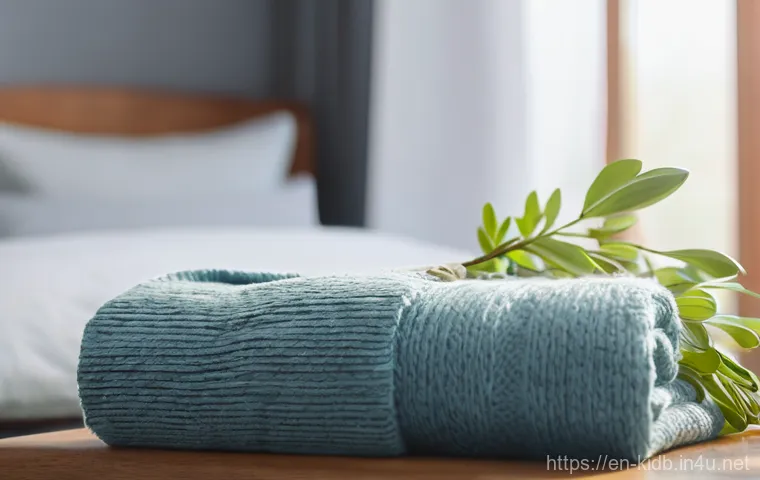
It feels like just yesterday we were limited to a few standard options, but now, the world of natural fibers for children’s clothing is absolutely booming, and honestly, it’s a breath of fresh air.
I’ve personally seen a huge shift towards materials that are not only soft and kind to the skin but also much better for our planet. When I started looking into it more deeply, I discovered how much difference these choices make.
My own little one had such delicate skin, and I quickly learned that synthetics, while often convenient, just weren’t cutting it. Switching to more natural options felt like a revelation.
The peace of mind alone was worth every extra moment I spent researching. It’s about choosing a foundation of comfort that supports their natural curiosity and energy without causing irritation or discomfort, allowing them to truly be kids.
These materials often regulate temperature so much better, which is a lifesaver whether it’s a scorching summer day or a chilly morning. There’s a certain magic in knowing that what touches their skin is pure and gentle, just like them.
The Organic Cotton Revolution
Organic cotton has truly become a household name, and for good reason. It’s what I reach for most often because, let’s be real, it’s just incredibly soft and durable.
I’ve found that pieces made from organic cotton hold up remarkably well to endless washes and the kind of rough-and-tumble play that only kids can dish out.
What makes it so special is that it’s grown without harmful pesticides, synthetic fertilizers, or genetically modified seeds, which means fewer chemicals ending up on our children’s skin and in the environment.
For me, that’s a huge win-win. When my kids were babies, I noticed such a difference in how their skin reacted to organic cotton versus conventional cotton.
No more unexplained rashes or irritations! It feels good knowing I’m dressing them in something that’s been cared for from the seed up, ensuring purity and comfort from day one.
Plus, the breathability of organic cotton is unparalleled, keeping them cool in the summer and offering a comforting layer in cooler weather. It truly is a versatile and reliable choice for almost any garment.
Bamboo Bliss and Linen Love
Beyond organic cotton, bamboo and linen have carved out their own special places in my heart (and my kids’ closets!). Bamboo fabric, with its silky-smooth texture, is just divine.
I honestly couldn’t believe how soft it felt the first time I got my hands on a bamboo onesie. It’s naturally hypoallergenic and incredibly breathable, wicking away moisture like a dream, which is perfect for those little ones who tend to get a bit sweaty during their adventures or even just while sleeping.
I found bamboo PJs to be a game-changer for comfortable nights. Linen, on the other hand, brings a different kind of charm. It has a beautiful, natural drape and an airy feel that’s just perfect for warmer climates.
It gets softer with every wash, which is something I absolutely adore. While it can wrinkle easily, that’s part of its natural, laid-back appeal. For summer dresses or lightweight pants, linen is my go-to.
It allows their skin to breathe beautifully, preventing them from overheating when they’re playing outside under the sun. Both bamboo and linen offer fantastic alternatives, each with unique qualities that cater to different needs and preferences, and I’ve found them to be incredibly beneficial for my kids’ comfort.
Innovative Fabrics Redefining Kids’ Comfort and Durability
It’s not just about what nature gives us; human ingenuity is also creating some truly amazing materials that are changing the game for children’s clothing.
I’m constantly amazed by how far fabric technology has come. When I think about the clothes I wore as a kid, they were nowhere near as advanced or thoughtful.
Today, we have access to textiles that actively work to keep our children comfortable, protected, and their clothes lasting longer. It’s like something out of a futuristic movie, but it’s happening right now in our kids’ wardrobes!
These innovations aren’t just about bells and whistles; they address real parenting challenges like keeping active kids dry, protecting them from the sun, and making clothes that can withstand constant wear and tear.
I’ve personally experimented with a few of these, especially for activewear, and the difference is truly palpable. No more soggy shirts after a playground session or faded colors after a few washes.
These fabrics are built for life, for real kids, and for real adventures.
The Rise of Performance Blends
Forget scratchy, stiff performance wear! Today’s blends are incredibly soft and designed with active children in mind. We’re talking about fabrics that combine natural fibers with a touch of synthetic magic to offer the best of both worlds.
For instance, a blend of organic cotton and recycled polyester can give you the breathability and softness of cotton with the added durability, quick-drying properties, and wrinkle resistance of polyester.
I’ve noticed a huge difference in how these blends hold up to my kids’ demanding play schedule. Whether it’s a splash in a puddle or an intense game of tag, these clothes bounce back.
They maintain their shape and color much better than purely natural fibers sometimes do, which means less frequent replacement and more bang for your buck.
I’ve found that for sportswear or everyday play clothes that need to endure a lot, these performance blends are absolutely indispensable. They offer that perfect balance between comfort and functionality that modern parents really appreciate, making laundry day just a little bit easier too.
Smart Textiles and Future Forward Apparel
Now, this is where things get really exciting! “Smart textiles” might sound like something out of a sci-fi novel, but they are becoming a tangible reality in children’s wear.
Imagine fabrics that can regulate temperature, keeping your child warm when it’s cold and cool when it’s hot, or even textiles that can monitor vital signs.
While some of these are still in early stages for mainstream children’s clothing, we’re already seeing impressive developments. Think about UV-protective clothing that actively shields delicate skin from harmful sun rays without needing constant reapplication of sunscreen – a massive win for beach days!
Or fabrics with built-in insect repellent that’s gentle and non-toxic. I’m truly fascinated by the potential here. The idea of clothing that adapts to a child’s environment, offering enhanced protection and comfort, is incredibly appealing.
It’s about pushing the boundaries of what clothing can do, transforming garments from mere coverings into active participants in our children’s well-being and exploration.
The future of kids’ apparel is clearly heading towards more intelligent, responsive, and protective solutions, and I, for one, can’t wait to see what comes next.
Navigating Sustainability and Ethical Choices in Kidswear
As parents, we’re not just thinking about today; we’re thinking about tomorrow. And that extends to the clothes our children wear and how they impact the world they’ll inherit.
The push for sustainability and ethical production in children’s fashion isn’t just a trend; it’s a fundamental shift, and it’s something I feel deeply passionate about.
I’ve spent a fair bit of time trying to understand what truly makes a brand sustainable, and it goes beyond just the fabric type. It’s about the entire lifecycle of the garment, from how the raw materials are sourced to how the final product is made and even how it can be repurposed or recycled.
It’s a complex landscape, but making conscious choices, even small ones, can make a huge difference. I always try to consider the environmental footprint of what I buy, because frankly, our kids deserve a healthy planet, and their clothes shouldn’t contribute to its degradation.
It’s a journey of continuous learning, and I’m constantly seeking out brands that align with these values, because it simply feels right to support practices that are kind to both people and the planet.
Embracing Recycled and Upcycled Materials
One of the most exciting developments I’ve seen is the growing use of recycled and upcycled materials. It’s such an ingenious way to reduce waste and give new life to resources that would otherwise end up in landfills.
Brands are now creating adorable and durable children’s clothing from recycled plastic bottles (RPET), post-consumer waste, and even fabric scraps. I remember being skeptical at first, wondering if clothes made from recycled materials would feel rough or look cheap.
But boy, was I wrong! I’ve found some incredibly soft and high-quality pieces made from recycled polyester that are perfect for my active kids. They’re often just as comfortable, if not more so, than their virgin counterparts, and knowing that each purchase helps divert waste from our oceans and landfills gives me a warm feeling inside.
Upcycling, where old garments or textile waste are transformed into new ones, also adds a unique charm and reduces the demand for new production. It’s a creative and responsible approach to fashion that truly embodies the spirit of sustainability, and I’m always on the lookout for brands that champion these methods.
Understanding Fair Trade and Ethical Production
Beyond the materials themselves, the “who” and “how” behind our children’s clothes are just as crucial. Fair Trade and ethical production practices ensure that the people making our kids’ clothing are treated fairly, paid living wages, and work in safe conditions.
This is a topic that really resonates with me because I believe every person involved in the production chain deserves dignity and respect. I’ve made it a point to research brands that are transparent about their supply chains and hold certifications like Fair Trade or GOTS (Global Organic Textile Standard), which often include strong social criteria.
It’s not always easy to find this information, but when I do, it gives me immense confidence in my purchase. Knowing that a garment was made without exploiting workers, and often helps support communities, adds so much more value than just the fabric or design.
It’s about ensuring that our desire to dress our children beautifully doesn’t come at the cost of another person’s well-being. This commitment to ethical sourcing and manufacturing is something I encourage every parent to consider, as it truly makes a difference in the world.
| Fabric Type | Key Benefits for Kids | Ideal Use | Considerations |
|---|---|---|---|
| Organic Cotton | Ultra-soft, breathable, hypoallergenic, durable, easy to care for, pesticide-free. | Everyday wear, sleepwear, sensitive skin, layering. | Can take longer to dry than synthetics. |
| Bamboo | Silky-soft, moisture-wicking, temperature regulating, naturally antibacterial, hypoallergenic. | Sleepwear, sensitive skin, warm weather, activewear. | Can be more delicate; sometimes blended for durability. |
| Linen | Highly breathable, absorbent, quick-drying, gets softer with age, natural texture. | Hot weather, casual wear, dresses, relaxed styles. | Prone to wrinkling, can feel a bit crisp initially. |
| Recycled Polyester (RPET) | Durable, quick-drying, wrinkle-resistant, vibrant colors, reduces plastic waste. | Activewear, outerwear, swimwear, school uniforms. | Less breathable than natural fibers; can feel less soft if not blended. |
| Merino Wool | Temperature regulating, odor-resistant, soft (not scratchy), moisture-wicking, natural. | Winter wear, base layers, outdoor adventures, sensitive skin. | Requires gentle care, can be more expensive. |
Decoding Certifications and Labels for Confident Choices
Stepping into the world of sustainable and ethical children’s clothing can sometimes feel a bit like learning a new language. There are so many labels, certifications, and buzzwords out there, and it’s easy to get overwhelmed.
But trust me, taking the time to understand a few key certifications can be incredibly empowering. I used to just skim over labels, assuming “organic” meant “good,” but I quickly realized there’s a whole spectrum of what these terms actually imply.
Knowing what to look for and what these labels truly signify has been a game-changer for me. It allows me to cut through the marketing noise and make truly informed decisions that align with my values for my family and the planet.
It’s not about memorizing every single certification, but recognizing the most impactful ones that genuinely guarantee certain standards are met. This knowledge transforms shopping from a guessing game into a confident, purposeful experience, which is exactly what we want as busy parents.
Recognizing Global Organic Textile Standard (GOTS)
If there’s one certification that I tell every parent to look for, it’s GOTS. The Global Organic Textile Standard isn’t just about organic fibers; it’s a comprehensive standard that covers the entire textile supply chain.
When I see the GOTS label, I know that at least 70-95% of the fibers are organic, and more importantly, that strict environmental and social criteria have been met throughout the manufacturing process.
This means no toxic heavy metals, no harmful dyes, and no child labor – which is incredibly reassuring. For me, it simplifies the decision-making process immensely.
It’s not just about the cotton being organic; it’s about ensuring that the dyes used are safe, the water treatment is responsible, and the workers are treated fairly.
I’ve found that brands committed to GOTS often display the certification prominently, making it easy to spot. This standard truly gives a holistic view of a garment’s journey, from the field to my child’s closet, ensuring both environmental and social integrity.
It’s a powerful seal of approval that helps me feel confident in my purchase.
Other Trustworthy Certifications to Keep an Eye On
While GOTS is fantastic, there are other certifications that are definitely worth recognizing, especially when GOTS isn’t an option. Oeko-Tex Standard 100, for instance, focuses specifically on ensuring that every component of a textile product, from the fabric itself to the thread and accessories, has been tested for harmful substances.
This is incredibly important for delicate skin and often found on conventional clothing lines that prioritize safety. Fair Trade Certified is another one I value, as it focuses on empowering farmers and factory workers through fair wages and safe working conditions.
For wool, look for Responsible Wool Standard (RWS), which ensures the welfare of sheep and the land they graze on. And if you’re venturing into recycled materials, Global Recycle Standard (GRS) verifies the recycled content of products and responsible social, environmental, and chemical practices in their production.
While it might seem like a lot to remember, simply knowing a few of these key labels can significantly guide your choices, helping you find products that align with your values beyond just the price tag.
I’ve personally found that once you start looking, these labels become much easier to spot and understand.
The Future is Now: Smart Fabrics and Sustainable Innovation
It’s wild to think about how much children’s clothing has evolved, and the future promises even more incredible advancements. We’re on the cusp of a new era where clothing isn’t just something we wear; it’s an active participant in our kids’ well-being and adventures.
I get genuinely excited imagining the possibilities! From fabrics that can communicate with our smartphones to garments that practically take care of themselves, the innovation is relentless.
It really reflects a deeper understanding of what parents need and what kids truly thrive in: comfort, safety, and the freedom to explore without limits.
I’ve always been a bit of a tech enthusiast, so seeing how technology is being woven into textiles, especially for kids, is truly fascinating. It’s about empowering them to live their best lives, supported by clever design and cutting-edge materials.
This isn’t just about fleeting trends; it’s about a fundamental transformation in how we think about and choose clothing for the next generation, making their everyday experiences even better.
Wearable Tech for Tiny Trendsetters
Beyond the smart textiles I mentioned earlier, we’re seeing early glimpses of truly wearable technology integrated into children’s apparel. Imagine onesies that monitor a baby’s breathing and temperature, or jackets that light up for enhanced safety during evening play, all seamlessly integrated into the fabric.
While these innovations are still largely in the premium and niche markets, I believe they’ll become more commonplace as technology advances and costs decrease.
The potential benefits for parental peace of mind and child safety are enormous. I can only imagine the reassurance of knowing a smart sleepsuit is gently tracking my little one’s vitals.
It’s about leveraging technology to add a layer of functional benefit to clothing that goes beyond mere protection from the elements. This new frontier isn’t just about making clothes look cool; it’s about making them smarter, more protective, and more responsive to a child’s needs in real-time, ushering in an era of truly interactive and beneficial apparel.
Circular Fashion and Longevity Solutions
The future of children’s clothing is also deeply intertwined with sustainability, pushing towards a “circular fashion” model. This means moving away from the traditional linear “take-make-dispose” approach and embracing designs that allow clothes to be reused, repaired, and recycled, reducing waste significantly.
I’ve started noticing brands offering repair services or take-back programs, which is brilliant! Imagine a world where your child’s outgrown clothes can be easily returned, refurbished, and re-loved by another family, or even broken down and reformed into new fabric.
This extends the life cycle of garments, reducing consumption and environmental impact. Furthermore, innovations in durable, long-lasting fabrics that can withstand the rigors of childhood and still look great for hand-me-downs are becoming increasingly important.
It’s about creating clothing that lasts, not just for one child, but for many, fostering a more mindful and less wasteful approach to fashion. This focus on longevity and circularity is not just good for the planet; it’s also a smart investment for parents, reducing the need for constant replacements and fostering a more sustainable lifestyle.
Making Kidswear Last: Practical Tips for Parents
Let’s be real, kids are tough on clothes! From muddy puddles to playground tumbles, their garments endure a lot. As a parent, I’ve learned a few tricks over the years to help extend the life of my children’s wardrobe, making my investments go further and reducing the constant need for new purchases.
It’s not just about saving money; it’s also about reducing waste and making more sustainable choices. I’ve discovered that with a little bit of care and foresight, those beloved outfits can last through multiple growth spurts and even be passed down to younger siblings or friends.
It’s incredibly satisfying to see a favorite piece of clothing withstand the test of time and still look great. These aren’t complicated hacks; they’re just simple, everyday practices that truly make a difference in preserving the quality and appearance of children’s clothing, ultimately saving us both time and money in the long run.
Smart Washing and Drying Habits
The way we wash and dry our children’s clothes can significantly impact their longevity. I used to just toss everything in together, but I quickly learned that isn’t the best approach, especially for those softer, more delicate fabrics.
Always check the care label – it’s there for a reason! For natural fibers like organic cotton and bamboo, using cold water and a gentle cycle helps preserve the fabric integrity and prevents shrinking or stretching.
I’ve found that air-drying, whenever possible, makes a huge difference. It reduces wear and tear from the dryer’s heat and tumbles, and it helps maintain the garment’s shape and color vibrancy.
For stubborn stains, I always pre-treat them rather than blasting the whole garment with harsh chemicals or hot water, which can set the stain even further.
A good stain remover, or even just a paste of baking soda and water, can work wonders. Taking these extra few steps in the laundry room has really paid off, keeping clothes looking newer for longer and extending their wearable life considerably.
Strategic Sizing and Repair Savvy
Here’s a little secret I picked up: don’t always buy clothes that fit perfectly right now. For everyday playwear, I often size up slightly. Kids grow so fast, and buying a size up (especially for things like pants and shirts) means they’ll get more wear out of it.
Cuffs can be rolled, and a slightly oversized top just means more room to move and grow into. This simple trick has bought me extra months of use out of many garments.
And what about those inevitable rips and tears? Instead of tossing a beloved item, consider a quick repair! A small tear can often be patched up, or a missing button replaced.
I’m no sewing expert, but learning a few basic mending skills has saved countless items from the trash bin. My kids actually love seeing a little patch on their knee, turning a flaw into a unique design feature.
It teaches them about valuing what they have and that clothes can have a longer life. Thinking about clothes not as disposable items but as things that can be cared for and even repaired helps stretch our budget and reduces our environmental impact, one stitch at a time.
Closing Thoughts
Whew! What a journey we’ve been on, exploring the wonderful world of children’s clothing. It truly is more than just fabric and thread; it’s about comfort, safety, expression, and even our hopes for a better planet. I hope sharing my experiences and insights has made navigating this exciting landscape a little less daunting and a lot more inspiring for you. Remember, every choice we make, big or small, contributes to the well-being of our children and the world they inhabit. So, let’s keep choosing wisely, joyfully, and with a dash of adventurous spirit!
Useful Information
1. Prioritize Natural Fibers for Comfort and Skin Health: From organic cotton’s renowned softness and breathability to bamboo’s silky moisture-wicking properties and linen’s airy coolness, natural fibers are often the best choice for children’s sensitive skin. They minimize irritation, regulate temperature effectively, and are typically free from harsh chemicals found in many synthetics. Investing in these materials means a gentler touch for your little one, reducing concerns about rashes or discomfort, and ensuring they stay happy and active all day long. My personal experience has shown that a switch to natural materials can dramatically improve a child’s skin health and overall comfort, especially for those with eczema or other sensitivities.
2. Understand Key Certifications for Peace of Mind: The world of textile certifications can seem complex, but knowing a few key labels like GOTS (Global Organic Textile Standard) and Oeko-Tex Standard 100 can be incredibly empowering. GOTS ensures organic fiber content and stringent environmental and social criteria throughout the supply chain, from farming to finishing, meaning no harmful chemicals, responsible water use, and fair labor practices. Oeko-Tex Standard 100 guarantees that every component of a textile product has been tested for harmful substances, making it safe for direct skin contact, especially crucial for babies and toddlers. These certifications are your trusted guides to making truly informed, responsible purchases.
3. Embrace Circular Fashion to Reduce Waste and Save Money: The concept of circular fashion – reusing, repairing, and recycling clothes – is gaining significant traction, particularly for children’s wear. Given how quickly kids grow, this approach offers both environmental and economic benefits. Look for brands that offer take-back programs, or consider buying and selling pre-loved clothes. Repairing small tears or adjusting hems can extend the life of garments significantly, reducing the constant need for new purchases and lessening textile waste. It’s a smart way to manage your family budget while contributing to a healthier planet.
4. Leverage Technology for Smarter, Safer Apparel: The future of children’s clothing is exciting, with innovations like smart textiles offering enhanced comfort and safety. We’re seeing advancements in fabrics that can regulate temperature, offer UV protection, or even have built-in insect repellents. While some high-tech features are still emerging, staying aware of these developments can help you make forward-thinking choices for active kids. Imagine clothing that adapts to weather changes or provides an extra layer of sun protection, making outdoor adventures worry-free. These technological integrations promise a new level of functionality and peace of mind for parents.
5. Practice Smart Garment Care to Maximize Longevity: How you wash, dry, and store children’s clothes plays a huge role in how long they last. Always check care labels and opt for cold water washes and gentle cycles to protect fabric integrity and color. Air-drying is a game-changer for preserving shape and reducing wear and tear. Pre-treating stains immediately can save many garments from an early retirement. Additionally, buying a size up for everyday playwear and being open to small repairs like patching knees or letting out hems can significantly extend the usable life of clothing, making your investments go further.
Key Takeaways
At the heart of it all, dressing our children is about much more than just covering them up; it’s about nurturing their comfort, fostering their adventurous spirit, and instilling values that will shape their future. By thoughtfully choosing natural and innovative fabrics, understanding crucial certifications, embracing sustainable practices like circular fashion, and simply taking good care of what we buy, we’re not just making smart consumer decisions. We’re actively contributing to a healthier environment and a more mindful lifestyle for our families. Remember, every garment has a story, and by making informed choices, we’re helping to write a beautiful narrative of comfort, care, and conscious living. Keep exploring, keep questioning, and keep dressing your little ones in love and awareness!
Frequently Asked Questions (FAQ) 📖
Q: What are the absolute best materials for my child’s sensitive skin, especially if they have allergies or eczema?
A: Oh, this is such a common and crucial question, and one I’ve grappled with personally! When it comes to delicate skin, especially for little ones prone to allergies or eczema, the fabric choice makes all the difference.
From my experience and a lot of research, organic cotton is a true superstar. It’s naturally hypoallergenic, incredibly soft, and free from pesticides and harsh chemicals that can irritate.
Think of it as a gentle hug for their skin! Another fantastic option gaining huge popularity is bamboo. It’s unbelievably silky, breathable, and has natural moisture-wicking properties, which helps keep those sensitive areas dry and comfortable.
I’ve found bamboo particularly good for nightwear or for kids who tend to get a bit sweaty. Linen is also wonderful, especially in warmer climates, as it’s highly breathable and absorbent.
The key is to look for certifications like GOTS (Global Organic Textile Standard) for organic cotton or Oeko-Tex Standard 100, which guarantees textiles are free from harmful substances.
Trust me, investing in these softer, purer fabrics is a game-changer for avoiding rashes and discomfort, and it gives you such peace of mind.
Q: With all the talk about sustainability, how can I make sure I’m choosing eco-friendly and ethical clothing options for my kids without breaking the bank?
A: That’s a brilliant question, and one that resonates deeply with so many of us parents today! We want to do right by the planet and ensure fair practices, but let’s be real, budgets are a thing!
The good news is that “sustainable” doesn’t always have to mean “expensive.” One of the best strategies I’ve found is to prioritize quality over quantity.
Instead of buying a dozen cheap items that fall apart after a few washes, focus on a few well-made pieces from brands committed to sustainable practices.
Look for materials like recycled polyester (great for outerwear!), hemp, or even upcycled fabrics. Shopping second-hand is also an absolute goldmine – places like local consignment stores, online marketplaces, or even clothing swaps with other parents can yield incredible, high-quality finds at a fraction of the cost.
Plus, you’re extending the life of garments, which is super eco-friendly! Also, keep an eye out for brands that are transparent about their supply chain and have certifications like Fair Trade.
It’s about making conscious choices, little by little, and it truly adds up!
Q: What’s on the horizon for children’s clothing materials?
A: re there any exciting innovations or “smart fabrics” we should know about? A3: Oh, this is where things get really fun and futuristic! The world of children’s clothing isn’t standing still, and the innovations are truly exciting.
We’re definitely seeing a rise in “smart fabrics” designed to make life easier and more comfortable for both kids and parents. Imagine clothing that can regulate temperature, keeping your little one cool in the summer and warm in the winter without bulky layers.
Some new blends are even being developed with enhanced stain-resistant properties, which, let’s be honest, sounds like a dream come true for any parent!
Beyond that, researchers are exploring fabrics with built-in UV protection, perfect for those sunny park days, and even textiles that can monitor a child’s vital signs – though those are still more on the experimental side.
On the sustainability front, there’s a huge push into truly circular fashion, where garments can be easily recycled or even composted at the end of their life, minimizing waste.
While some of these advanced features might be a bit pricier initially, they often offer incredible durability and functionality, meaning they could be worth the investment for specific needs.
It’s a thrilling time to be a parent interested in what our kids wear!