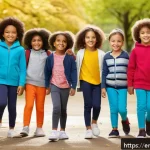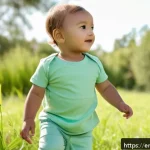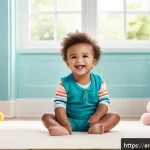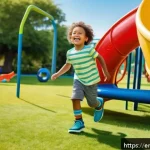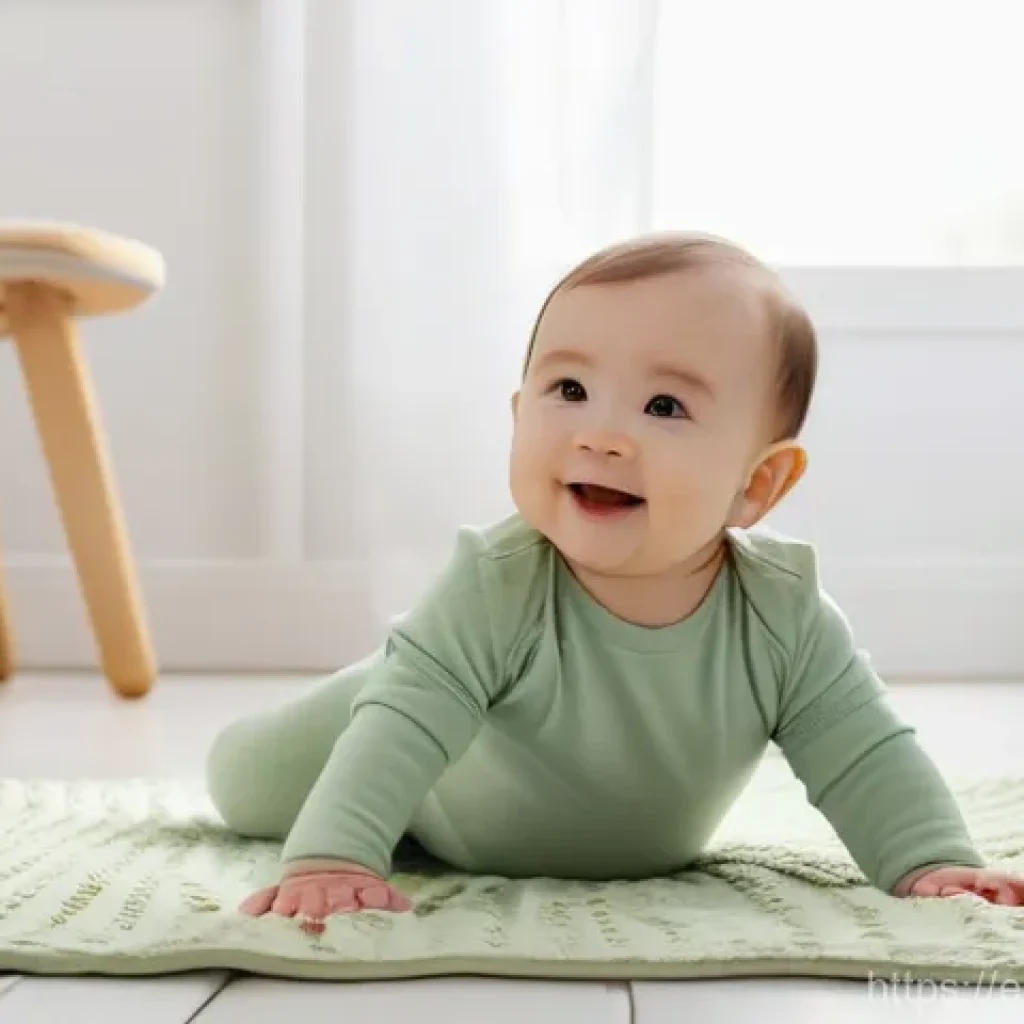
Oh, the joy (and sometimes, the sheer overwhelm!) of welcoming a new little one into the world. It’s a whirlwind of tiny socks, adorable onesies, and endless decisions, isn’t it?
As parents, we want nothing but the best for our babies, and that absolutely includes what they wear. From those first snuggles to their adventurous toddler years, baby clothing isn’t just about looking cute; it’s about comfort, safety, and practicality.
The landscape of baby fashion is always evolving, with exciting new trends emerging that prioritize everything from eco-friendly materials and ethical production to innovative designs that make diaper changes a breeze.
We’re seeing a wonderful shift towards gender-neutral palettes and styles, too, allowing for more versatility and sustainability when thinking about hand-me-downs.
It’s truly incredible how much thought and care go into creating pieces that are not only gentle on delicate skin but also withstand the rigors of spit-up, crawling, and endless washes.
Navigating this colorful world of tiny apparel can feel like a full-time job itself, but trust me, finding those perfect pieces that blend style, substance, and a sprinkle of magic is incredibly rewarding.
Seeing your little one in a brand new outfit is just one of those heart-melting parent moments, isn’t it? But beyond the undeniable cuteness, choosing baby clothes involves so much more: comfort, gentle fabrics, and clever designs that genuinely make life easier for us busy parents.
With countless fantastic brands promising the world, navigating the options can feel pretty overwhelming. Trust me, I’ve spent hours sifting through choices, and I know you want the absolute best.
So, if you’re feeling a bit lost in the delightful sea of miniature fashion, don’t worry – I’ve got you covered. Let’s dive in and get the full scoop on some of the most beloved and trusted baby clothing brands, helping you make the perfect choices for your family!
Prioritizing Delicate Skin: The Fabric First Approach
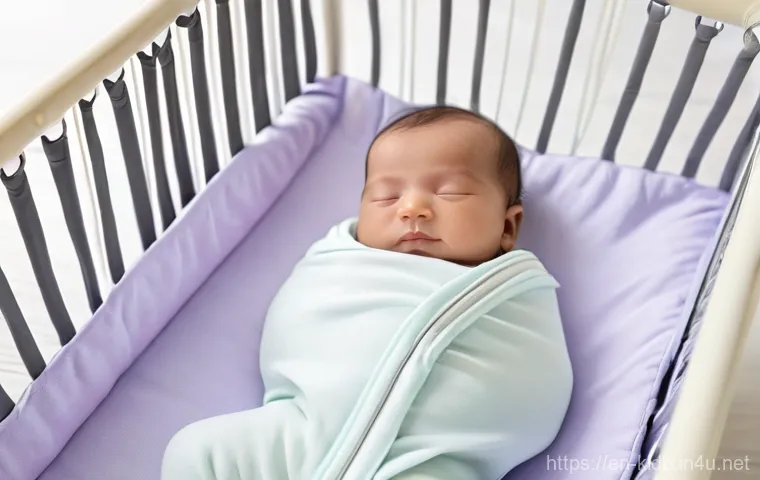
When I first started out as a parent, I quickly learned that what goes *on* my baby’s skin is just as important as what goes *in* their tummy. Their skin is incredibly delicate and sensitive, and choosing the right fabrics isn’t just a preference; it’s a necessity for their comfort and well-being.
I remember one time, I bought an adorable outfit – seriously, it was beyond cute – but after just an hour, my little one started getting a rash. It was heartbreaking, and that’s when I really began to dig deep into understanding fabric choices.
You want materials that feel soft against their skin, breathe easily to prevent overheating, and, crucially, are free from harsh chemicals that could cause irritation.
It’s not just about organic labels; it’s about the feel, the weave, and how it holds up to multiple washes without losing its integrity. My personal experience has taught me that investing a little more in high-quality, gentle fabrics pays dividends in terms of fewer rashes, more comfortable naps, and happier babies.
Organic Cotton and Bamboo Blends
Oh, organic cotton! It’s truly a game-changer. The difference in softness compared to conventional cotton is often noticeable right away, and knowing it’s grown without harmful pesticides gives such peace of mind.
I’ve found that brands focusing on GOTS-certified organic cotton are usually top-notch, offering not just softness but also durability that holds up incredibly well to the constant washing cycles baby clothes endure.
Then there’s bamboo, which is another fabulous option that I’ve fallen in love with. Bamboo fabric is incredibly soft, almost silky, and it has this amazing ability to regulate temperature, keeping babies cool in the summer and warm in the winter.
Plus, it’s naturally hypoallergenic, which is a huge bonus for little ones prone to eczema or allergies. When my youngest had a bout of sensitive skin, switching to bamboo sleepwear made a tangible difference in their comfort through the night.
It felt like a little miracle for their itchy skin.
Hypoallergenic and Breathable Materials
Beyond organic and bamboo, there’s a whole world of hypoallergenic and breathable materials designed specifically for babies. Think about modal, for instance, which is incredibly soft and drapes beautifully, making it perfect for stretchy sleepers.
Merino wool, believe it or not, can also be a fantastic choice for babies, especially in cooler climates. Many people assume wool is scratchy, but fine merino is actually super soft, regulates temperature beautifully, and wicks away moisture, which is excellent for active toddlers or even newborns.
I once bought a merino base layer for my baby during a winter trip, and they stayed perfectly snug and dry, even when we were out in the snow. The key is to look for labels that specifically mention “hypoallergenic” or “for sensitive skin,” as these often indicate that the fabric has been processed with fewer dyes and chemicals.
It really makes a difference in preventing those uncomfortable skin reactions we all dread.
Navigating Sizing and Durability: Growth Spurts and Endless Washes
Let’s be real, one of the biggest challenges when buying baby clothes is figuring out the sizing. It feels like every brand has its own interpretation of “0-3 months” or “12-18 months,” doesn’t it?
I’ve definitely had my share of tiny outfits that were outgrown before they even saw a second wash, and others that swallowed my baby whole. It’s a constant balancing act between buying for their current size and trying to anticipate those notorious growth spurts.
And then there’s the durability factor. Baby clothes face an incredible amount of wear and tear – spit-up, pureed carrots, crawling on every surface imaginable, and endless cycles in the washing machine.
You want pieces that can withstand this daily onslaught without losing their shape, color, or softness. My philosophy now is to lean towards quality pieces that can survive multiple children, whether they’re my own or destined for hand-me-downs.
Decoding Baby Sizing Charts
Honestly, understanding baby sizing can feel like cracking a secret code! Most brands base their sizing on age ranges (e.g., 0-3 months, 3-6 months), but these are just guidelines.
What I’ve found most helpful is checking the brand’s specific size chart, which usually provides measurements for height and weight. My little one was always on the taller side, so often I’d have to size up even if they weren’t quite at the higher end of the weight range for their age.
It’s also worth considering if the brand is known for running big or small; a quick look at online reviews can often give you a heads-up. When in doubt, I tend to size up, especially for basics like sleepers and bodysuits.
A slightly too-big outfit is usually wearable for longer, whereas a too-small one is just a sad, fleeting moment of cuteness.
Investing in Longevity: Quality Over Quantity
This is where my experience really shines through. While it’s tempting to grab a bunch of cheap, adorable outfits, I’ve learned that a smaller collection of high-quality, durable pieces is far more practical and ultimately, more economical.
Think about reinforced knees on pants for crawling babies, strong snaps that don’t pull apart after a few tugs, and fabrics that maintain their shape and color after countless washes.
I look for brands that use robust stitching and sturdy materials. For instance, I’ve had certain bodysuits that went through three kids and still looked great, simply because they were well-made.
This approach not only saves money in the long run but also reduces waste, which is a win-win in my book. It’s about being smart with your purchases, recognizing that some items will be worn daily and need to stand the test of time and toddler energy!
Practicality and Ease: Making Diaper Changes a Breeze
If there’s one thing every parent quickly appreciates about baby clothes, it’s the design features that make life just a tiny bit easier. When you’re dealing with a squirming baby, a midnight diaper change, or a sudden blow-out, the last thing you want is an outfit that’s a puzzle to get on and off.
I’ve been there, fumbling with dozens of tiny snaps at 3 AM, practically in tears of frustration. Those moments make you truly appreciate clever designs that prioritize practicality without sacrificing an ounce of cuteness.
It’s a delicate balance, but some brands absolutely nail it, transforming a potentially stressful situation into something manageable. Look for those thoughtful details that save you precious seconds and maintain your sanity!
Smart Design Features for Busy Parents
What makes a baby outfit truly parent-friendly? For me, it boils down to accessibility and simplicity. I’m talking about features like envelope necklines on bodysuits, which allow you to pull the garment down over the shoulders instead of over the head in case of a significant diaper mishap.
Genius! Then there are integrated footies in sleepers, which eliminate the need for socks that inevitably disappear into the laundry abyss. My absolute favorite innovation has to be the two-way zipper on sleepers; being able to unzip from the bottom up for a quick diaper change without exposing the baby’s entire torso to the cold night air is pure gold.
It’s those little things that make a monumental difference when you’re sleep-deprived and just trying to get through the day.
Zippered Wonders and Magnetic Closures
Let me tell you, if I could give an award for parenting innovations, it would go to whoever perfected zippered baby sleepers and magnetic closures. Forget those endless rows of snaps that test your patience (and your eyesight!) in the dark.
Zippers, especially the two-way kind, are a dream come true for middle-of-the-night changes. They’re fast, efficient, and minimize disruption. And magnetic closures?
Oh my goodness, they are like magic! I remember the first time I tried a onesie with magnetic closures, and I was absolutely stunned by how quickly and easily I could dress my baby.
It literally takes seconds, which is a lifesaver when you have a wriggly infant. While these can sometimes be a bit pricier, I personally feel they are worth every penny for the sheer convenience and the reduction in stress they offer.
They truly simplify the daily routine.
Embracing Sustainable and Ethical Choices: Dressing with a Conscience
It wasn’t long into my parenting journey that I started thinking about the bigger picture behind the tiny clothes filling our laundry basket. The environmental impact of fast fashion, the conditions for workers, and the chemicals used in production all began to weigh on my mind.
As parents, we inherently want to create a better world for our children, and that extends to making conscious choices about what we buy. There’s been such a wonderful shift in the baby clothing industry towards sustainability and ethical practices, and it’s truly heartening to see more brands prioritizing these values.
It feels good to know that the adorable little outfit my baby is wearing is also doing a little bit of good for the planet and the people who made it.
The Rise of Eco-Friendly Brands
The market for eco-friendly baby clothes has really exploded, and for good reason! We’re seeing more and more brands committing to using sustainable materials like organic cotton, bamboo, and recycled fabrics.
But it goes beyond just the material itself. Many of these brands also focus on their manufacturing processes, aiming to reduce water waste, energy consumption, and their overall carbon footprint.
I’ve personally started seeking out brands that clearly state their environmental commitments on their websites, perhaps even showing certifications like GOTS or Oeko-Tex.
It’s not just a trend; it’s a movement towards responsible consumption. My kids wear hand-me-downs from brands known for their durability and eco-friendly practices, and I feel great knowing they’re getting extra life out of thoughtfully produced garments.
Supporting Fair Trade and Transparent Production
Beyond the environment, the human aspect of clothing production is incredibly important to me. I want to know that the people who made my baby’s clothes were treated fairly, paid living wages, and worked in safe conditions.
This is where “fair trade” and “transparent production” come into play. Many ethical brands go out of their way to ensure their supply chains are traceable and that their manufacturing partners uphold high labor standards.
They’ll often share stories of their artisans or provide details about their factories. While these clothes might sometimes come with a slightly higher price tag, I see it as an investment in human dignity and ethical business practices.
Knowing that my purchase supports a company doing good in the world adds another layer of joy to seeing my baby in their adorable outfit. It’s about aligning our values with our purchases, and that feels incredibly empowering as a parent.
Style That Grows with Them: Gender-Neutral and Playful Designs
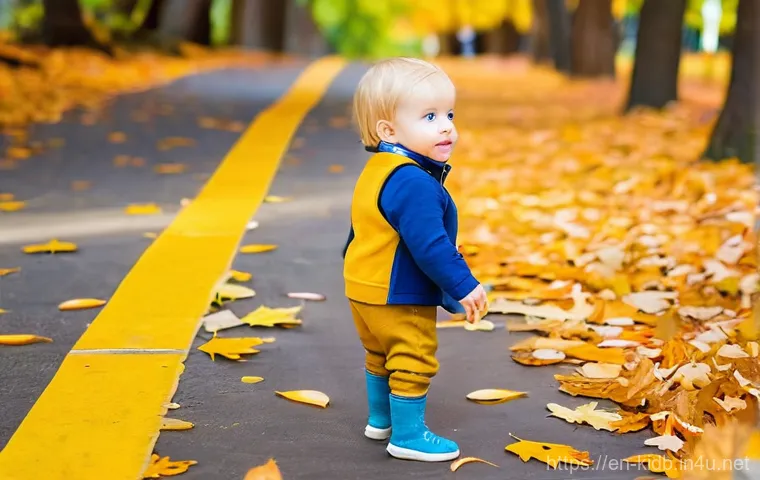
The world of baby fashion used to feel so rigid, didn’t it? All pink for girls, all blue for boys. But happily, those days are fading fast!
One of the trends I’ve absolutely fallen in love with is the embrace of gender-neutral palettes and playful, versatile designs. It just makes so much sense.
Not only does it allow for more creative and diverse dressing, but it’s also incredibly practical. When you’re thinking about hand-me-downs for future siblings or friends, having clothes that aren’t strictly gender-coded is a huge advantage.
It means less waste, more sharing, and a more sustainable approach to building a baby’s wardrobe. Plus, let’s be honest, those muted tones and whimsical prints are just so utterly charming!
The Beauty of Versatile Palettes
I’ve become a huge fan of baby clothes in earthy tones, soft pastels, and vibrant, yet not overtly gender-specific, colors. Think mustard yellows, sage greens, terracotta oranges, and lovely oatmeal beiges.
These colors not only look incredibly chic on any baby but also mix and match effortlessly. It makes getting dressed so much easier because almost everything goes together.
I remember assembling outfits for my little one where I didn’t have to think “Is this too boyish?” or “Is this too girly?” It was just about creating a cute, comfortable look.
This versatility also means you can easily pass clothes down from an older brother to a younger sister, or vice versa, maximizing the use of each garment and making your investment go further.
It’s a smart and stylish way to dress your little one.
Fun Prints and Timeless Aesthetics
Beyond colors, the world of baby prints has also evolved into such a delightful space. We’re seeing fewer stereotypical “baby” prints and more designs that are whimsical, artistic, and even a bit minimalist.
From subtle nature-inspired patterns like tiny leaves or animals to abstract shapes and simple stripes, there’s so much to choose from. I adore pieces with hand-drawn illustrations or classic polka dots; they bring so much character to an outfit without being overwhelming.
The beauty of these timeless aesthetics is that they don’t go out of style quickly, making them perfect for those hand-me-down cycles. My personal experience has been that focusing on these more unique, playful yet classic designs gives my baby’s wardrobe a cohesive and adorable look that feels both modern and enduring.
It’s about finding joy in the little details and selecting pieces that spark happiness every time you see them.
Smart Shopping for Baby Clothes: Budget-Friendly Strategies
Let’s talk money, because raising a baby, while infinitely rewarding, can also be quite an investment! Baby clothes, especially those adorable, high-quality pieces we’ve been discussing, can add up quickly.
But fear not, fellow parents! Over the years, I’ve honed some serious smart shopping strategies that allow you to dress your little one in comfort and style without breaking the bank.
It’s all about being a savvy consumer, knowing where to look, and making thoughtful choices that maximize your budget. You don’t have to sacrifice quality or ethical considerations to save a few dollars; it’s about making your money work harder for you and your family.
Savvy Sales and Second-Hand Treasures
One of my top tips? Never underestimate the power of a good sale! Many of my favorite brands have seasonal sales where you can snag their premium pieces at a significant discount.
Signing up for email newsletters from brands you love is a great way to get alerts. But the real secret weapon for budget-conscious parents is the second-hand market.
Oh, the treasures I’ve found at consignment shops, online marketplaces, and local parent groups! Babies grow so fast that many clothes are barely worn before they’re outgrown, meaning you can find nearly-new items for a fraction of the original price.
I’ve bought entire bundles of organic cotton sleepers for less than the cost of one new outfit. It’s not just about saving money; it’s also fantastic for the environment, giving clothes a second (or third!) life.
Maximizing Hand-Me-Down Potential
This strategy goes hand-in-hand with choosing quality and gender-neutral styles. When you invest in durable, well-made pieces, they’re much more likely to survive multiple children.
I’ve been so grateful for the hand-me-downs I’ve received from friends and family, and I always make sure to pass on my own baby’s outgrown clothes to others.
It creates this wonderful cycle of generosity and sustainability. It’s also smart to think ahead when buying. If you’re planning on having more children, or if you have a friend who’s expecting, consider how a garment will hold up and if its style will remain appealing for future use.
Keeping clothes organized by size and gender-neutrality (where applicable) also makes them much easier to sort and pass on, ensuring those adorable outfits keep bringing joy to new families.
Beyond the Basics: Specialty and Organic Options
Once you’ve got the essentials covered, it’s fun to explore the world of specialty baby clothing. This includes everything from those adorable outfits for first birthdays or holidays to highly functional sleepwear designed for safety, or even swimwear for those first splashes.
These aren’t necessarily everyday items, but they play a crucial role in specific moments or for particular needs. And within this category, the focus on organic and specialized materials often becomes even more pronounced, especially when considering items that are in direct, prolonged contact with delicate skin, or need to perform a specific safety function.
It’s about finding those perfect, thoughtful pieces that add a little extra magic or provide essential protection.
Dressing Up for Milestones
Oh, the joy of dressing up your little one for a special occasion! From their first photoshoot to a family wedding or a holiday gathering, these outfits create such cherished memories.
For these moments, I often lean towards brands that offer a touch of elegance or whimsy, perhaps with delicate embroidery, special fabrics like soft linen, or unique detailing.
While everyday clothes prioritize function, milestone outfits can be a bit more about the “wow” factor. However, I still always ensure they are comfortable for the baby.
There’s nothing worse than a fussy baby in a stiff, uncomfortable outfit, no matter how cute it looks! So, even for special occasions, I look for soft linings, flexible fabrics, and designs that don’t restrict movement.
My little one’s first Christmas outfit was a soft velvet romper, and they were just as cozy as they were adorable.
Functional Outerwear and Sleepwear Innovations
Beyond the cute daily wear, there are categories where functionality and safety are absolutely paramount. Think about outerwear – coats, snowsuits, and rain jackets.
These need to be genuinely protective, keeping your baby warm and dry in various weather conditions. I look for features like adjustable cuffs, roomy fits for layering, and waterproof materials.
Similarly, sleepwear, particularly sleep sacks or wearable blankets, has seen incredible innovation, prioritizing safe sleep practices. Many brands offer organic cotton or bamboo sleep sacks that are designed to keep babies warm without loose blankets, which is a major safety concern.
I remember buying my first sleep sack and marveling at how secure and cozy my baby looked, and I knew they were sleeping safely. These are the areas where investing in well-designed, high-quality, and often organic or specially certified products truly makes a difference.
| Fabric Type | Key Benefits | Best For | Considerations |
|---|---|---|---|
| Organic Cotton | Soft, breathable, durable, hypoallergenic, pesticide-free | Everyday wear, sensitive skin, bodysuits, sleepwear | Can be slightly pricier than conventional cotton |
| Bamboo | Incredibly soft, temperature-regulating, moisture-wicking, naturally hypoallergenic | Sleepwear, sensitive skin, warmer climates | May pill more easily if not cared for properly |
| Merino Wool | Excellent temperature regulation, moisture-wicking, naturally anti-microbial, soft (fine merino) | Cooler climates, base layers, outdoor wear | Requires specific washing instructions (cold wash, lay flat to dry) |
| Modal | Silky soft, drapes well, resistant to shrinking and fading, breathable | Sleepers, comfortable loungewear, stretchy garments | Often blended with other fibers, check blend content |
글을 마치며
It’s been quite a journey discussing all these aspects of baby clothing, hasn’t it? From those first tiny onesies to functional outerwear, every choice we make for our little ones is steeped in love and a desire for their utmost comfort and safety. I truly hope that sharing my own experiences and insights has given you some valuable pointers to navigate this exciting world. Remember, it’s not just about aesthetics; it’s about providing a gentle, safe, and happy environment for our babies to grow and thrive in their adorable outfits.
알아두면 쓸모 있는 정보
1. Okay, let’s be real – baby laundry is a never-ending saga! But I’ve picked up some tricks over the years that truly make a difference. First, always opt for a gentle, fragrance-free, dye-free detergent. Their skin is super sensitive, and harsh chemicals in detergents are a common culprit for irritation. I always do a quick pre-soak for those inevitable blow-outs or food explosions – a little cold water and a dab of baby-safe stain remover (check those labels!) can save many an outfit. Separate lights and darks, of course, but also consider washing particularly delicate items or anything with snaps, zippers, or embellishments in a mesh laundry bag. This protects them from getting snagged or damaged in the wash. When it comes to drying, I often tumble dry on low for most items to prevent shrinking and pilling, but for special pieces or anything made of merino wool, I lay them flat to air dry. It extends their life significantly and keeps them looking newer, longer. Trust me, these small steps save so much heartache over ruined clothes!
2. As your baby grows (at warp speed, it feels!), their wardrobe will constantly be changing. Effective storage is a lifesaver, especially if you plan on having more children or passing clothes on. My go-to strategy is to sort clothes by size and season. Once an outfit is too small, I wash it, fold it neatly, and store it in clear, labeled bins. This way, when the next baby comes along, or when a friend needs hand-me-downs, everything is organized and easy to find. Vacuum-seal bags are also fantastic for larger items like winter coats or blankets, saving precious closet space. For current clothes, drawer dividers and small bins within drawers are great for keeping bodysuits, socks, and hats from becoming a chaotic mess. It’s a little upfront effort, but the payoff in reduced stress and easy retrieval is immense when you’re in a hurry (which is, let’s be honest, always with a baby!).
3. Dressing your baby for the weather can feel like a guessing game, especially with fluctuating temperatures. My best advice is to embrace layers! In cooler months, a simple rule of thumb is to dress your baby in one more layer than you are comfortable wearing yourself. Think a soft cotton bodysuit, a comfortable sleeper, and then a wearable blanket or sleep sack for sleeping. For outdoors, add a light jacket or a cozy snowsuit, ensuring their head, hands, and feet are covered. In warmer weather, lighter fabrics like organic cotton and bamboo are your best friends. Opt for single layers, loose-fitting clothes, and always prioritize breathability to prevent overheating. Sun hats are non-negotiable for outdoor play! Remember to check their neck or tummy for warmth – hands and feet can often feel cool even if the baby is perfectly comfortable. Adjusting their layers throughout the day will keep them happy, cozy, and safe from the elements.
4. While we focus a lot on outfits, there are other fabric essentials that deserve just as much attention for their quality and safety. Swaddles, for instance, are a newborn’s best friend. Look for ones made of breathable, soft materials like muslin or bamboo, as they’ll be wrapped snugly around your baby for hours. Receiving blankets and larger play mats also come into constant contact with their skin and mouths, so choosing organic or chemical-free options is ideal. And let’s not forget burp cloths! You’ll go through dozens of these, so make sure they’re absorbent and soft, as they’ll be pressed against your baby’s delicate face often. Even crib sheets and mattress protectors should be considered part of your fabric-first approach; a good quality, breathable sheet can make a world of difference in your baby’s comfort and sleep quality. Every fabric item that touches your baby contributes to their overall well-being, so choose wisely!
5. If you’re buying baby clothes as a gift, you’re absolutely wonderful! Parents always appreciate help. My number one tip? Size up! Babies grow incredibly fast, and while those newborn outfits are adorable, they’re often outgrown in weeks. Aim for 3-6 months, 6-9 months, or even 9-12 months for a safer bet. These sizes often get less attention at baby showers but are desperately needed later on. Consider practical items like versatile bodysuits, sleepers with two-way zippers, or a cozy, durable jacket. If you know the parents’ preferred brands or style, that’s a huge bonus! Always, always include a gift receipt if possible. This allows parents to exchange for a different size or item if needed without any awkwardness. And remember, gender-neutral colors and patterns are always a hit, especially for future hand-me-downs. Thoughtfulness in gift-giving really shines through and is so appreciated by new parents!
중요 사항 정리
To sum it all up, choosing baby clothes is truly an act of love. Prioritize soft, breathable, and safe fabrics for your little one’s delicate skin. Look for durable, practical designs that simplify daily routines and withstand the rigors of baby life. Embrace sustainable and ethical choices, knowing you’re contributing to a better world. And finally, shop smartly by leveraging sales, second-hand finds, and the wonderful potential of hand-me-downs. With these insights, you’re all set to create a comfortable, stylish, and conscientious wardrobe for your precious little one!
Frequently Asked Questions (FAQ) 📖
Q: With so many baby clothing brands out there, how can I possibly choose the best ones for my little one?
A: Oh, believe me, I’ve been exactly where you are! The sheer number of adorable options can feel totally overwhelming, right? When I first started out, I remember spending hours just trying to figure out where to even begin.
My best advice, and what I’ve learned through countless washes and growth spurts, is to focus on a few key things. First, look for brands that prioritize quality fabrics.
Organic cotton and bamboo blends have always been winners in my book because they’re incredibly soft on delicate skin and surprisingly durable. I’ve found that a good quality piece, even if it’s a little pricier upfront, truly lasts through multiple babies or makes for excellent hand-me-downs.
Second, consider the functionality. Are the snaps easy to manage during a midnight diaper change? Do zippers have fabric guards to protect tiny chins?
Some brands are just brilliant at these little details that make a huge difference in daily life. Lastly, don’t be afraid to experiment a little. What one parent loves, another might find just okay.
I personally started with a few highly-rated basics from a couple of different brands and then gradually built up my collection based on what truly worked for my family and my baby’s comfort.
It’s a journey, not a sprint, and you’ll quickly discover your own favorites!
Q: Beyond just looking cute, what are the absolute most important factors I should consider when buying baby clothes for comfort and safety?
A: This is such a critical question, and one I wish someone had really hammered home to me when I was first starting out! While those tiny outfits are undeniably adorable, comfort and safety should always, always come first.
From my own experience, the fabric choice is paramount. I’ve personally seen how much happier and less fussy my little ones are in breathable, natural materials like organic cotton or super-soft bamboo.
Synthetics can sometimes trap heat and irritate sensitive skin, which is the last thing you want. Always check the labels! Beyond fabric, think about the fit.
Clothes shouldn’t be too tight, restricting movement, especially around the neck and waist. For safety, be vigilant about embellishments. Buttons, bows, or any small decorations can become choking hazards if they come loose.
I always opt for simpler designs, especially for sleepwear. And here’s a tip I swear by: look for integrated mitts on newborn sleepers – they’re a lifesaver for preventing accidental scratches without having to worry about separate mittens falling off.
Trust your gut; if something feels scratchy or has fiddly bits, it’s probably not ideal for your precious little one.
Q: I’m seeing more and more about eco-friendly and sustainable baby clothing. Is it really worth the extra effort or cost?
A: Oh, I totally get this question, and it’s one I grappled with myself for a while! When you’re juggling a million things, adding “eco-conscious” to the list can feel like a lot.
But after diving into it, I can tell you from the bottom of my heart – yes, absolutely, it is worth it. For me, the biggest draw was knowing that what was touching my baby’s delicate skin was free from harsh chemicals, pesticides, and dyes often found in conventional cotton.
Brands using GOTS-certified organic cotton, for instance, offer incredible peace of mind. Beyond that immediate health benefit for our little ones, I’ve truly come to appreciate the longevity and quality of sustainable clothing.
These pieces are often made with such care and intention that they simply hold up better to repeated washes and the rigors of baby life, making them perfect for passing down to siblings or friends.
It’s a wonderful feeling knowing you’re investing in something that’s not only gentle on your baby but also kinder to the planet they’ll inherit. Think of it as a small, conscious choice that makes a big impact in the long run, both for your family and for our shared future.