Okay, fellow parents and style-savvy guardians! If you’re anything like me, you know the never-ending quest to find that perfect pair of sneakers for your little ones.
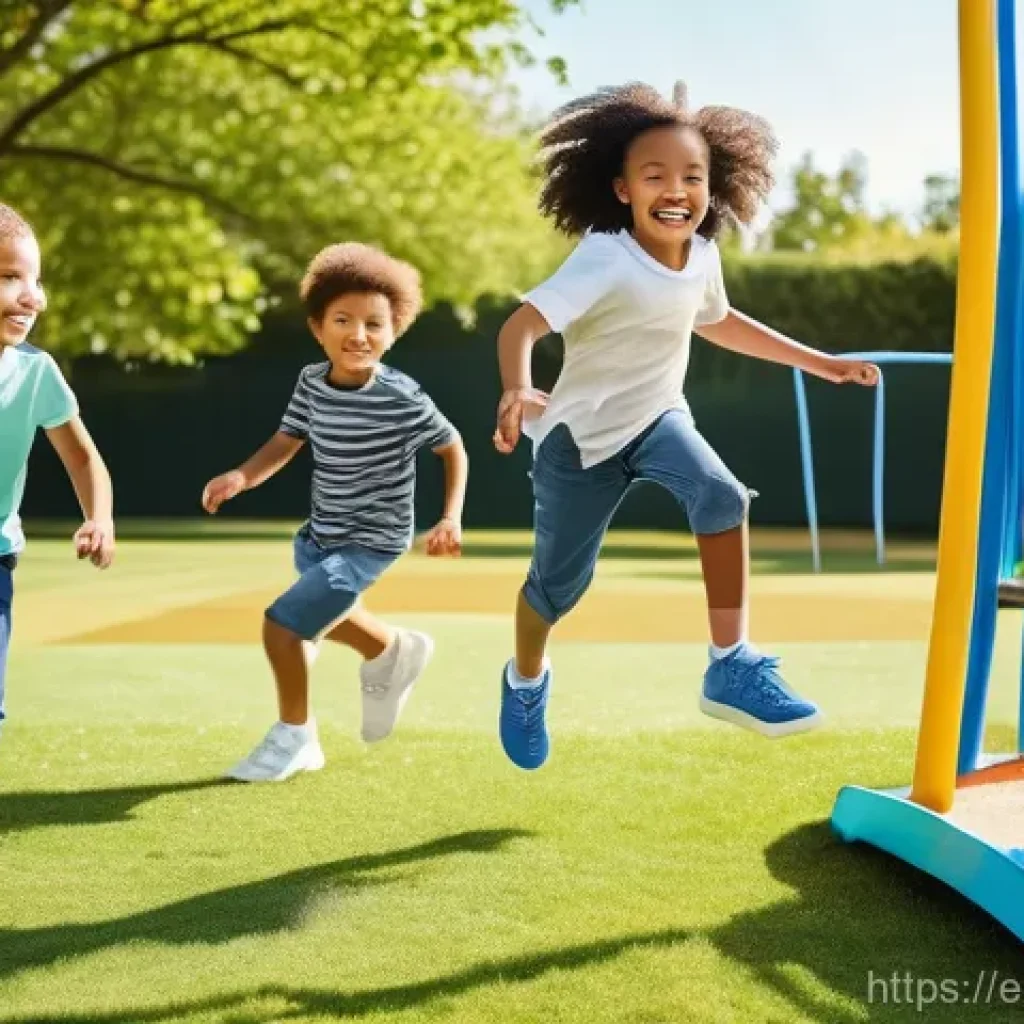
One minute they’re crawling, the next they’re practically parkour champions, and their feet are growing at warp speed! It’s not just about looking cool (though that helps, right?), it’s about comfort, durability, and keeping those active feet supported through every jump, sprint, and playground adventure.
I’ve personally navigated countless shoe aisles and tried out more brands than I can count with my own kiddos, trying to pinpoint which ones truly stand up to the test and offer the best value.
With new designs and tech hitting the market constantly, it can feel a bit overwhelming, but don’t worry, I’ve got you covered. Let’s get into the nitty-gritty of what makes a great kids’ sneaker and find out exactly which brands are winning big right now.
The Durability Dilemma: Surviving Playground Prowess
You know that feeling, right? You just bought a pristine new pair of sneakers, and within a week, they look like they’ve been through a mud wrestling championship and scaled Mount Everest.
My kids, bless their adventurous hearts, seem to have a special talent for turning brand-new shoes into relics in record time. It’s not just about the scuffs on the toe, though those are a given.
We’re talking about soles wearing thin, seams coming undone, and colors fading faster than my last attempt at a healthy diet. This is why durability isn’t just a buzzword; it’s practically the holy grail when I’m hunting for new kicks.
I’ve learned the hard way that a little extra investment in a well-constructed shoe pays dividends in the long run, saving you from those exasperating, early replacements.
Look for brands that really understand the unique abuses kid-shoes endure, because let’s face it, they’re not just walking – they’re running, jumping, climbing, and kicking every single day.
Built to Last: What to Look For in Tough Kicks
When I’m checking out a pair, I always pay close attention to the toe area. That’s often the first place to go on my son’s shoes because he’s constantly dragging his feet or kicking things.
Reinforced toes, sometimes with an extra rubber overlay, are an absolute game-changer. I also give the soles a good bend test. If they feel flimsy, I usually put them back.
A sturdy, non-marking rubber sole with good traction is essential, not just for longevity but for safety on various surfaces. I’ve found that brands using double stitching or heat-welded seams often hold up much better than those with single, weaker stitches.
And don’t forget the material! While mesh is great for breathability, a good mix of durable synthetics or even a bit of leather in high-wear areas can make a huge difference.
Trust me, you’ll thank yourself later when they survive the entire school year.
Battling the Elements: Weatherproofing and Wear
Beyond just the physical abuse from play, kids’ sneakers also face the wrath of weather. Puddles, morning dew, sudden rain showers – their shoes are often the first line of defense.
While not every sneaker needs to be a waterproof boot, having some level of water resistance or quick-drying material is a huge plus. I remember one rainy day, my daughter stepped in a puddle so deep, her “waterproof” boots filled up, and she was miserable the rest of the day.
Since then, I’ve learned to prioritize materials that either repel water effectively or are easy to clean and dry quickly. It’s not just about comfort; constantly wet shoes can lead to funky odors and even foot problems.
Plus, if they clean up well, they look decent for longer, which makes me feel like I got my money’s worth.
Comfort is King: Keeping Little Feet Happy All Day Long
Honestly, if a shoe isn’t comfortable, my kids won’t wear it, no matter how cool it looks or how much I spent on it. And can you blame them? Their little feet are still developing, and they spend hours a day running, jumping, and exploring.
Imagine trying to do all that in shoes that pinch, rub, or offer no support! I’ve seen firsthand how a poorly fitting or uncomfortable shoe can turn a fun outing into a whiny disaster.
My youngest used to complain about “pokey” shoes until I figured out it was the stitching on the inside rubbing against his toes. It’s those little details that really make a difference.
Finding that sweet spot where a shoe feels like a natural extension of their foot, rather than a clunky constraint, is absolutely crucial for their happiness and overall foot health.
The Magic of the Right Fit: Beyond Just Size
Fitting kids’ sneakers isn’t just about length; it’s a whole science, I swear! You need to consider width, arch support, and room for growth, but not *too much* room.
I usually aim for about a thumb’s width of space between their longest toe and the end of the shoe. Too tight, and you’re looking at blisters and discomfort.
Too loose, and they can trip or develop poor walking habits. My trick is to have them try on shoes at the end of the day when their feet are a bit more swollen.
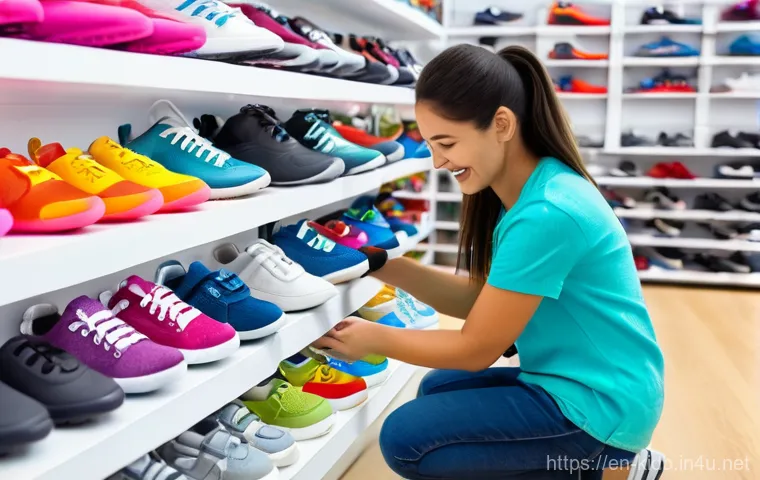
I also encourage them to jump and run a little in the store (within reason, of course!). It gives a much better indication of how the shoe will truly feel during active play.
Don’t be afraid to ask for a professional fitting if you can; it’s often worth the peace of mind.
Cushioning and Support: What Their Arches Need
When I’m looking at the inside of a sneaker, I’m not just eyeing the pretty insole. I’m thinking about the miles those little feet will put on it. Good cushioning is paramount for shock absorption, protecting their joints from all that bouncing around.
But cushioning alone isn’t enough; proper arch support is also key, especially as their feet are developing. Some kids have flatter feet, others higher arches, and finding a shoe that accommodates their specific needs can prevent future issues.
I personally prefer insoles that offer a decent amount of padding and conform to the foot over time. Some brands even offer removable insoles, which is fantastic if you need to insert custom orthotics.
It’s like a tiny, comfortable mattress for their feet!
Style That Speaks: Beyond Just Looking Good
Okay, let’s be real for a minute. While comfort and durability are paramount for us parents, for the kids, it’s all about the *look*. My older daughter will meticulously pick out a pair based solely on color and how many glitter accents it has, completely disregarding whether it’ll survive a single recess.
And my son? It’s got to have some cool swoosh or a character from his favorite show. It’s a constant negotiation, isn’t it?
But here’s the thing: when they love the way their shoes look, they’re more excited to wear them, which means less fuss in the mornings. So, while I’m secretly doing my quality checks, I also try to find that sweet spot of style that makes them grin from ear to ear.
A happy kid with cool shoes is a winning combination, and I’ve found it makes getting out the door so much smoother.
Trendspotting: What’s Hot in the Kids’ Sneaker Scene
Just like adult fashion, kids’ sneaker trends come and go, but some classics always stick around. Right now, I’m seeing a lot of retro-inspired designs making a comeback, which honestly, I love!
Think chunky soles, vibrant color blocking, and those iconic heritage logos. LED light-up shoes are still a huge hit with the younger crowd (though I sometimes wish for a silent-mode switch, ha!).
For older kids, minimalist designs in neutral tones or bold, expressive patterns seem to be popular. And metallics? Always a winner, especially for my daughter.
I try to keep an eye on what their friends are wearing and what’s popping up on their favorite shows. It gives me a good baseline for what they *might* actually agree to wear without a battle.
Personal Touches: Letting Them Express Themselves
One thing I’ve learned is to give them some agency in their shoe choices. Within reason, of course. I’ll narrow down the options to a few pairs that I know are good quality and then let them pick the color or design.
This gives them a sense of ownership and often leads to them taking better care of their shoes. My son once chose a bright orange pair, and while it wasn’t my first pick, he absolutely adored them and wore them until his toes practically poked out.
It was a proud moment for him, and honestly, that’s what matters most. Some brands even offer customizable options, which is a fantastic way to let them put their unique stamp on their footwear.
It’s more than just a shoe; it’s a statement of their budding personality!
Growth Spurt Savvy: Navigating the Ever-Changing Foot Size
Oh, the notorious growth spurt! One minute their shoes fit perfectly, the next they’re complaining about squished toes, and suddenly you’re back at the store, staring at another price tag.
It’s a never-ending cycle, isn’t it? I swear, sometimes it feels like their feet grow overnight. I’ve learned to anticipate these growth spurts and factor them into my shoe-buying strategy.
There’s a delicate balance to strike between getting a shoe that fits *now* and one that offers a little wiggle room for a month or two of growth. Too big, and they trip; too small, and it’s uncomfortable and can even hinder proper foot development.
It’s a parental tightrope walk that we all become experts at, whether we like it or not.
The Wiggle Room Rule: How Much is Just Right?
When I’m fitting a new pair, I always do the thumb test. You know, pressing down on the toe to see how much space there is. My personal rule of thumb (pun intended!) is about a thumb’s width of space between their longest toe and the end of the shoe.
This usually gives them enough room for growth without making the shoe too big and clunky. I also pay attention to how much heel slippage there is. A little is okay, but if their heel is constantly popping out, it’s a no-go.
Don’t forget about the width either! Many kids have wider feet than standard shoes accommodate, so finding brands that offer wide sizes can be a lifesaver.
It’s all about finding that perfect Goldilocks fit: not too big, not too small, but just right.
Timing is Everything: When to Buy and When to Check
I’ve got a system now. I usually check my kids’ shoe sizes every 2-3 months, or sooner if they start complaining. A good tip I picked up is to trace their feet on a piece of paper and measure it.
It’s a quick and easy way to keep tabs on their growth without always needing a trip to the shoe store. As for *when* to buy, I often try to snag shoes during seasonal sales or back-to-school events.
While it might seem counterintuitive to buy slightly ahead, if you know their general growth pattern, you can sometimes grab a size up at a discount. Just be careful not to buy too far in advance, because you never know when a surprise growth spurt might throw your perfectly planned shoe budget into chaos!
The Tech Talk: What’s Really Underfoot?
It’s easy to get overwhelmed by all the fancy jargon shoe companies throw at us – “EVA foam,” “Ortholite insoles,” “flex grooves,” and so on. But honestly, some of this tech actually makes a difference in comfort, performance, and durability.
As a parent, I’ve learned to appreciate certain innovations that genuinely enhance the shoe-wearing experience for my energetic little humans. It’s not just about flashy marketing; it’s about what truly supports their developing feet and allows them to move freely and safely.
Diving into the technical specs can feel a bit like homework, but understanding a few key features can really help you make a more informed decision and ensure you’re getting the most bang for your buck.
Understanding Soles and Midsoles: The Foundation of Comfort
The sole is arguably the most critical part of any sneaker, especially for kids. It’s the buffer between their foot and the ground, absorbing impact and providing grip.
I usually look at two main components: the outsole and the midsole. The outsole is the very bottom layer, and I always check for a durable rubber composition with a good tread pattern for traction.
A non-marking sole is a plus for indoor activities. The midsole, however, is where a lot of the magic happens for comfort. Many popular brands use EVA (ethylene-vinyl acetate) foam, which is lightweight and provides excellent cushioning.
Some incorporate gel or air units for extra shock absorption. I’ve found that a good, flexible sole that bends easily at the ball of the foot but offers firm support through the arch is ideal for promoting natural movement and preventing fatigue.
Innovative Fastenings and Breathable Materials
Beyond the sole, modern sneaker tech also focuses on how the shoe fits and feels on the foot. Fastenings have come a long way from just laces. Velcro straps are a godsend for younger kids and make independent dressing so much easier.
Elastic laces that don’t need tying are another fantastic innovation, offering a secure fit without the constant worry of untied shoelaces (and subsequent tripping hazards!).
Then there’s the upper material. Breathability is key, especially for active kids who get sweaty feet. Many brands utilize engineered mesh or knit fabrics that allow air to circulate, keeping their feet cooler and drier.
Some even incorporate moisture-wicking linings. I’ve personally noticed a huge difference in foot odor and overall comfort when my kids wear shoes with good ventilation.
It’s these thoughtful details that elevate a good shoe to a great one.
Eco-Friendly Kicks: Good for Them, Good for the Planet
As I’ve gotten older and become a parent, I’ve become much more mindful of the impact our choices have, not just on our immediate family but on the world around us.
And that extends to something as seemingly simple as kids’ sneakers. The idea of “fast fashion” for little feet, where shoes are bought, worn briefly, and then tossed, doesn’t sit right with me.
So, I’ve started actively seeking out brands that are making genuine efforts towards sustainability, whether through recycled materials, ethical manufacturing, or designs built for longevity.
It feels good knowing that the shoes keeping my kids’ feet happy are also doing a little bit of good for the planet they’ll inherit. It’s a small step, but every little bit counts, right?
Sustainable Steps: Materials and Manufacturing
When I’m looking for eco-friendly options, I keep an eye out for certain keywords: recycled content, organic cotton, ethically sourced rubber, and even plant-based materials.
Many brands are now incorporating recycled plastics from bottles or ocean waste into their shoe uppers and even their soles. It’s incredible how they transform what would be trash into durable, comfortable footwear.
I also dig a bit into their manufacturing processes. Are they using water-saving techniques? Are their factories powered by renewable energy?
While it’s impossible to be perfectly green, I appreciate companies that are transparent about their efforts and are continually striving to reduce their environmental footprint.
It shows they genuinely care, and that builds trust with me as a consumer.
Longevity and Lifecycle: Beyond the First Wear
Beyond just the materials, true sustainability in kids’ footwear also lies in how long the shoes last and what happens to them afterward. A durable shoe that can be handed down or even repaired is far more eco-friendly than one that falls apart after a few months.
Some brands are even exploring “circular” models, where you can return old shoes for recycling or refurbishment. I’ve found that teaching my kids to take care of their shoes – simple things like not kicking walls or leaving them out in the rain – also plays a part.
And when they do outgrow them, if they’re still in good shape, we donate them to local charities or pass them on to friends. It extends the life of the shoe and keeps it out of a landfill a little longer, which is a win-win in my book.
Budget vs. Blowout: Finding Value in Every Pair
Let’s talk money, because let’s face it, kids’ shoes can add up faster than you can say “growth spurt”! It’s a constant tightrope walk between wanting to provide the best for their developing feet and not wanting to drain the college fund on footwear they’ll outgrow in a blink.
I’ve definitely had moments of sticker shock in the shoe aisle, wondering if I’m doing something wrong. But over the years, I’ve learned that “value” isn’t always synonymous with “cheapest” or “most expensive.” It’s about finding that sweet spot where quality, durability, comfort, and a reasonable price point align.
Sometimes, a slightly pricier pair that lasts twice as long is actually the better deal in the long run.
The Price Tag Puzzle: What Influences Cost?
So, why do some kids’ sneakers cost an arm and a leg while others are practically pocket change? A lot of it comes down to brand recognition, materials used, and the technology packed into the shoe.
High-end brands often invest more in research and development, using proprietary cushioning systems, advanced sole constructions, and premium, durable materials.
Ethical manufacturing practices and sustainable initiatives can also add to the cost, as these often require more resources and oversight. Then there’s the marketing.
Let’s be honest, we’re all swayed by a cool ad or a celebrity endorsement. For me, it’s about discerning whether the higher price point genuinely translates into better quality and comfort for my kids, or if I’m mostly paying for the logo.
Smart Shopping Strategies: Maximizing Your Budget
I’ve become a seasoned pro at maximizing my shoe budget. My top tip? Sales!
End-of-season clearances, back-to-school promotions, and holiday sales are your best friends. Signing up for email lists from your favorite brands can often snag you exclusive discounts.
I also swear by checking outlet stores or online discounters; you can often find last season’s styles at a fraction of the original price, and kids don’t care if their sneakers aren’t the absolute latest design.
Another strategy is to prioritize. For everyday play, a durable, mid-range sneaker is usually perfect. If they’re in a specific sport, then investing in a sport-specific shoe might be worthwhile.
And always, *always* measure their feet before you shop, so you’re not wasting time or money on the wrong size.
| Feature | Why it Matters for Kids | What to Look For |
|---|---|---|
| Durability | Kids are tough on shoes; prevents early replacement. | Reinforced toe caps, sturdy rubber soles, double stitching. |
| Comfort | Happy feet promote active play and prevent complaints. | Flexible soles, good cushioning, breathable materials, proper width. |
| Ease of Use | Fosters independence and saves parents time. | Velcro straps, elastic laces, wide openings for easy on/off. |
| Grip/Traction | Crucial for safety on various surfaces, preventing slips. | Non-marking rubber soles with multi-directional tread patterns. |
| Breathability | Prevents sweaty feet, odors, and promotes foot health. | Mesh uppers, perforated designs, moisture-wicking linings. |
| Support | Essential for developing feet and long-term foot health. | Adequate arch support, stable heel counter, flexible midsole. |
Making the Switch: When to Upgrade Those Tiny Trainers
It feels like just yesterday I was putting those first tiny soft-soled shoes on their wobbly feet, and now I’m here, wondering when it’s time to upgrade their latest pair of robust sneakers.
Deciding when to replace kids’ shoes isn’t always as obvious as a gaping hole or a lost sole. Sometimes, the signs are more subtle, but equally important for their comfort and foot health.
I’ve learned to be pretty vigilant about checking their shoes regularly, because what seems fine to a parent’s quick glance might actually be causing discomfort or even hindering their natural development.
It’s a key part of parenting active kids, and one I try not to overlook, no matter how busy life gets.
Signs It’s Time for a New Pair
There are a few key indicators I always look out for. First, the obvious one: if their toes are pressed right up against the end, it’s definitely time.
I do the thumb test regularly to check for toe room. Second, any visible wear and tear that compromises safety or comfort. This includes worn-down treads, which reduce traction and can lead to slips, or any parts of the shoe that are rubbing their feet raw.
My son’s shoes once had a broken internal seam that was causing a painful rub, and it wasn’t obvious from the outside. Third, pay attention to their complaints.
If they suddenly start saying their feet hurt, or they’re constantly taking their shoes off, it’s a huge red flag. Kids don’t usually complain without reason, especially when it comes to discomfort.
Beyond the Obvious: Developmental Considerations
Sometimes, even if a shoe still “fits” and isn’t falling apart, it might be time for an upgrade due to developmental changes. As kids grow, their gait and foot structure evolve.
A shoe that was perfect for a wobbly toddler might not offer the right kind of support for a rapidly running kindergartner. I also consider their activity levels.
If my kids are suddenly more into intense sports or spending more time outdoors on rougher terrain, I might look for shoes with more specialized support or increased durability, even if their current pair isn’t completely worn out.
It’s all about ensuring their footwear is appropriate for their current stage of development and their lifestyle. It’s an ongoing assessment, but their healthy, happy feet are absolutely worth the effort.
Wrapping Things Up
Whew, that was quite the deep dive into the wonderful, sometimes chaotic, world of kids’ sneakers, wasn’t it? It truly is a journey to find that perfect pair that can withstand their boundless energy while keeping their precious feet comfortable and supported. I’ve learned that it’s not just about a shoe; it’s about giving our kids the freedom to run, jump, and explore their world without a single worry about their footwear. Every scuff, every mud-splatter tells a story, and with the right shoes, those stories can be epic tales of adventure, not just sad sagas of worn-out soles. So, here’s to happy feet and endless playground prowess!
Useful Information to Know
1. Regular Foot Checks are a Must: Their feet grow surprisingly fast! Make it a habit to check their shoe size every 2-3 months. A simple thumb-width space at the toe is your golden rule for proper fit and room to grow.
2. Shop Later in the Day: Feet tend to swell slightly throughout the day. Buying shoes in the afternoon or evening ensures they’ll be comfortable even when their feet are at their largest, preventing discomfort later on.
3. Don’t Overlook the Power of Flexibility: While durability is key, make sure the shoe’s sole bends easily at the ball of the foot. This flexibility is crucial for natural foot movement and proper development, especially for active kids.
4. Consider the “Hand-Me-Down” Dilemma Carefully: While environmentally friendly, hand-me-down shoes aren’t always ideal. If a shoe has significantly molded to a previous child’s foot, it might not offer the right support for your child’s unique foot structure, so choose wisely!
5. Simple Maintenance Goes a Long Way: Teaching kids to clean their shoes (or doing it for them!) and letting them air out can drastically extend the life of their sneakers, keeping them looking better and smelling fresher for much longer.
Key Takeaways
Ultimately, navigating the world of kids’ sneakers boils down to a few core principles: prioritize uncompromised comfort and fit above all else, invest in durability to withstand their adventurous spirit, and always consider the specific needs of their developing feet. While style certainly adds to their excitement, it’s the underlying quality, support, and thoughtful design that truly makes a difference. Remember, a well-chosen pair of sneakers isn’t just an expense; it’s an investment in their foot health, their happiness, and their ability to conquer the world, one joyful leap at a time. Trust your parental instincts, arm yourself with a little knowledge, and you’ll find that perfect pair every time.
Frequently Asked Questions (FAQ) 📖
Q: What are the absolute must-have features I should prioritize when buying sneakers for my active child?
A: Oh, this is a question I get all the time, and believe me, after chasing my own little adventurers around, I’ve learned a thing or two! When you’re picking out sneakers for active kids, it’s not just about what catches their eye.
You absolutely have to prioritize comfort, support, and durability. First off, comfort is king! Look for shoes with good cushioning, especially in the midsole and heel, because those growing feet have delicate growth plates that need protection from all that running and jumping.
A breathable upper material, like mesh, is also a game-changer to keep those little feet from getting too sweaty and smelly after a long day of play. Secondly, support and stability are non-negotiable.
I always check for a firm heel counter – that’s the part that cups the back of the heel – to keep their foot secure and prevent too much wiggling around.
This helps maintain balance and can even prevent injuries. And don’t forget a secure fastening mechanism, whether it’s sturdy Velcro for younger kids who are still mastering laces, or good old laces that allow for a really custom, snug fit.
Lastly, durability is crucial because, let’s be real, kids are hard on their shoes! I’ve seen shoes practically disintegrate in weeks! Look for strong outsoles with good grip to prevent slips and slides, and reinforced toe caps are a lifesaver against scuffs and scrapes from all their adventures.
Q: How often should I realistically be replacing my child’s sneakers, especially with how fast they grow and play?
A: This is a question that stresses out so many parents, myself included! It feels like you just bought them a pair and suddenly their toes are poking out.
The truth is, there’s no single magic number, but I’ve found that checking regularly is key. For babies and toddlers, whose feet are truly exploding in size, you might be looking at new shoes every 2-4 months.
As they get a bit older, into the preschool and early elementary years (around 4-6), that window usually extends to about every 4-6 months. Once they hit older kid or pre-teen ages (7+), it can stretch to every 6-12 months, assuming they’re not absolutely shredding them with extreme sports!
Beyond just growth, though, you need to keep an eagle eye on wear and tear. Kids’ shoes take a beating from all their activities, and even if they fit, a worn-out sole or a collapsed heel can compromise support and cushioning, leading to discomfort or even pain.
I always tell parents to do a quick “shoe check” every couple of months. Turn the shoe over – is the sole worn smooth? Are there any holes or tears in the upper?
Is the heel floppy? If you notice any of these signs, or if your child starts complaining about their feet hurting, it’s definitely time for a new pair.
It’s truly an investment in their developing feet!
Q: With so many brands out there, which ones have you found personally stand up to the test for active kids, and why?
A: Oh, the brand debate! I’ve been through so many with my own kids, and honestly, some truly rise above the rest when it comes to active little feet. For sheer durability and consistent quality, I’ve had great experiences with brands like New Balance and Saucony.
My kids have practically lived in their Saucony Cohesion models, and they’ve always offered a fantastic balance of comfort and a build that can withstand playground punishment.
New Balance is another go-to, especially for kids with wider feet, offering solid support and cushioning that lasts. For outdoor adventurers, Merrell and Keen are fantastic choices because they really focus on ruggedness and grip, which is essential for kids who love to explore trails or just get muddy.
I’ve also been impressed with ASICS, particularly their running shoe lines for kids, as they integrate similar cushioning technology found in adult shoes, providing excellent shock absorption for all that high-impact play.
And if you’re looking for something that combines style with really good, foot-healthy design, brands like Ten Little offer a “barefoot-friendly” design with wide toe boxes and flexible soles, which is something many podiatrists recommend for natural foot development.
The key, no matter the brand, is that the shoe offers what your child needs – comfort, support, and the ability to stand up to their unique brand of energetic chaos!